What Is Included in a Pre-Settlement Inspection in Victoria?

What to Expect During a Melbourne Building Inspector’s Property Visit
June 25, 2026
Benefits of Getting a Pre-Purchase Building Inspection
June 29, 2026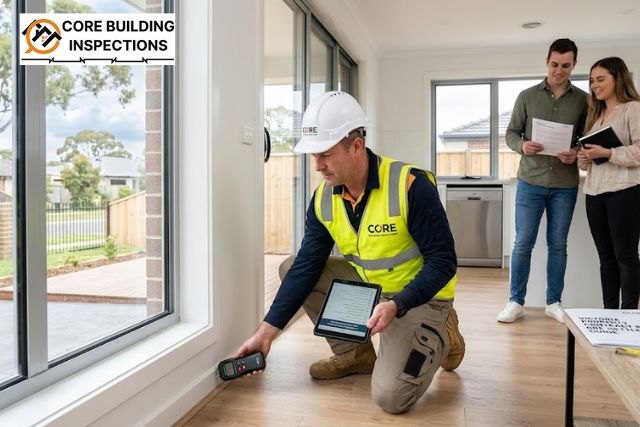
Buying a house is a long and often stressful process that requires months of searching and a major financial commitment. Once an offer is accepted or an auction is won, the countdown to the settlement date begins. The final weeks are usually busy with paperwork, bank coordination, and moving preparations. Despite the rush to finish everything, the final walk-through remains an essential step that buyers should not overlook before closing the deal. In Victoria, property contracts usually require the seller to hand over the home in the same condition it was in when the contract was signed, aside from fair wear and tear. The pre-settlement inspection is your final opportunity to check the property and make sure everything is in order before the last payment is made. If you find that appliances are broken, fixtures have been taken, or new damage has appeared, you can use this time to ask for repairs or request that money be held back for the costs. Knowing what to look for during this walkthrough helps you move into your new home without any unexpected problems.
The Fundamental Purpose of the Final Walk-Through
Many buyers confuse the pre-settlement walk-through with a comprehensive structural building check. While a building check is designed to uncover deep-seated engineering faults, hidden termites, or foundational issues before a contract becomes unconditional, the pre-settlement check serves an entirely different purpose. This walk-through is a comparative audit. Your goal is to confirm that the physical state of the building matches what you initially agreed to buy and that the vendor has fulfilled their contractual obligations. The real estate landscape can change significantly between the contract date and settlement day, a period that often spans anywhere from 30 to 90 days. During this time, the previous occupants pack up their lives, move heavy furniture, and navigate tight hallways, which can accidentally result in dented walls, broken light fixtures, or shattered glass. Furthermore, properties that sit vacant for weeks can suffer from sudden plumbing leaks, storm damage, or appliance failures. Once settlement takes place, the keys are handed over, and the money changes hands, your legal right to demand fixes drops dramatically. Taking this walk-through seriously acts as your ultimate financial safety net.
Testing Appliances and Electrical Systems
One of the most common issues uncovered during a final property walk-through is a sudden mechanical or electrical failure. Under standard Victorian contract terms, all operational appliances included in the sale must be working on settlement day unless they were explicitly disclosed as broken in the contract of sale. Vendors sometimes neglect maintenance once they know a property is sold, which can leave buyers with unexpected repair bills right after moving in. During your walk-through, you should systematically test every fixed appliance in the home. Turn on the oven, test all the stovetop burners, and run the rangehood fan to ensure it operates smoothly without excessive noise. Check the built-in dishwasher by running a quick cycle, and operate the heating and cooling systems whether it is a ducted reverse-cycle system or individual split-system units to verify that they actually pump out hot and cold air. Additionally, flip every light switch on and off, test the garage door remotes, and check that all electrical outlets are physically intact and safe to use.
Auditing Plumbing, Fixtures, and Water Pressure
Plumbing issues can cause severe, expensive damage if left unchecked, making a thorough water system audit an essential part of your pre-settlement checklist. Water lines can degrade or develop leaks when a house sits empty, and a quick visual check won’t reveal whether the hot water service has completely failed. To check the plumbing properly, go to every sink, basin, shower, and bathtub in the home and turn on the taps. Monitor the water pressure and ensure that hot water flows consistently to all outlets. Let the water run for a minute to check for leaks beneath the kitchen sink cabinets, around bathroom vanities, or behind the laundry troughs. Flush every toilet to ensure they fill and drain correctly without running continuously or leaking onto the floor. It is also wise to check the hot water storage tank outside for any obvious signs of rust, heavy corrosion, or active pooling water around its base.
Examining Walls, Floors, and Structural Finishes
Moving out of a house is a physically demanding process that often leaves unintended marks on the building envelope. As heavy couches, wardrobes, and washing machines are carried out, walls can get scuffed, plasterboard can get punctured, and flooring can get deeply scratched. Your job during the inspection is to carefully review all internal surfaces to identify any fresh damage that occurred after the contract was signed. Walk slowly through every room, looking closely at the walls, ceilings, and baseboards. Check for any new gouges in the plaster, cracked window panes, or torn carpets that were not present during your initial open-house viewings. Pay close attention to areas that were previously hidden by the vendor’s large furniture or decorative rugs, as these spots can sometimes conceal pre-existing stains, floorboard damage, or damp spots. While minor scuffs are generally considered fair wear and tear, major wall punctures or structural cracks are not, and the vendor is legally required to repair them.
Verifying Inclusions, Exclusions, and Chattels
When you buy a property, the contract specifies exactly what stays with the house (fixtures) and what the vendor takes with them (chattels). Fixtures are items that are permanently attached to the structure, such as light fittings, curtains, blinds, wall-mounted television brackets, and garden sheds. Misunderstandings often arise when vendors remove items that the buyer assumed were included in the purchase price. Bring a copy of your signed contract of sale to the walk-through so you can cross-reference the list of inclusions. Verify that the distinctive crystal chandelier in the dining room hasn’t been swapped out for a cheap plastic light bulb, and check that all window drapes, blinds, and external awnings remain securely in place. Look around the garden to ensure that expensive potted plants, decorative statues, or specific land fixtures haven’t been removed from the soil. If anything listed as an inclusion is missing, you have a clear right to raise a dispute through your conveyancer.
Checking Cleanliness, Rubbish Removal, and Vacant Possession
Unless your contract says otherwise, a vendor must hand over the property in a clean and tidy state and provide vacant possession, which means all their personal belongings, furniture, and rubbish must be completely removed from the site before settlement. Check that the house, garage, and outdoor spaces are clear of junk. Look inside built-in wardrobes, kitchen pantries, under-stairs storage areas, and garden sheds to make sure no unwanted items, old paint cans, broken furniture, or piles of backyard green waste have been left behind. Getting rid of a previous owner’s abandoned rubbish can cost hundreds of dollars in commercial skip bin fees and dump charges, so any left-behind junk should be flagged immediately so the vendor can clear it out before settlement day.
The Advantage of Professional Pre-Settlement Assessments
While many buyers choose to handle this final walk-through themselves, stepping onto the property without professional training can make it easy to miss subtle warning signs. Identifying a faulty hot water element, a hidden plumbing leak, or a broken ducted heating unit requires a systematic approach and an eye for detail. Missing these flaws during your walk-through means losing your best chance to have the vendor pay for the repairs Enlisting a pre-settlement inspection in Melbourner specialist ensures that your final property check is handled with high-level technical accuracy. A qualified expert knows exactly how to test a building’s systems efficiently, making sure you don’t inherit expensive mechanical or structural faults right when you take ownership of the keys.
Why Choose Core Building Inspections for Total Peace of Mind
When you are approaching the finish line of a property transaction, you need an independent professional team you can rely on completely. Core Building Inspections is proud to offer a highly reliable, trusted pre settlement inspection service across Victoria. Our fully qualified, insured inspectors are officially registered with the Victorian Building Authority (VBA). We maintain complete independence from real estate networks, meaning our sole focus is looking out for your financial interests. We understand that the days leading up to settlement are fast-paced and tightly scheduled. That is why our modern service framework guarantees a rapid 24-hour digital turnaround. We deliver a clear, plain-English photographic report straight to your inbox within 24 hours of our on-site visit. This gives your legal conveyancer or solicitor the precise factual evidence they need to negotiate repair clauses, arrange for funds to be held in trust, or ensure that any outstanding issues are fully resolved before the settlement keys change hands.
Frequently Asked Questions:
Q: When exactly should a pre-settlement walk-through be booked in Victoria?
In Victoria, you are legally entitled to inspect the property at any reasonable time during the 7 days leading up to the official settlement date. It is highly recommended to arrange the walk-through 3 to 5 days before settlement. This window gives the vendor enough time to complete any required repairs or rubbish removal before the final settlement deadline.
Q: What happens if I find damage or broken appliances during the walk-through?
If you discover new damage or broken appliances, you should immediately notify your legal conveyancer or solicitor with photographic proof. Your legal representative can contact the vendor’s solicitor to request that the issues be fixed before settlement, or arrange to withhold a portion of the settlement funds in a trust account to cover your repair costs.
Q: Can I complete more than one pre-settlement inspection?
Generally, buyers are entitled to one formal pre-settlement walk-through under standard Victorian real estate contracts. However, if that initial visit reveals major defects that the vendor agrees to fix, you are typically granted a follow-up access visit to verify that the repair work has been completed properly before settlement occurs.
Q: Does the property need to be professionally cleaned by the vendor?
Standard Victorian property contracts require the vendor to hand over the home in a “clean and tidy” condition, but this does not strictly mean a professional commercial steam clean unless a special condition was added to the contract. The property simply needs to be neatly presented, clear of personal items, and completely free of rubbish.
Complete Your Property Journey with Absolute Confidence
Do not risk your hard-earned savings by skipping the final check right before settlement. Ensure all appliances are working, all inclusions are present, and the property is delivered in perfect condition before you accept the keys. Secure your investment by booking your final walk-through with Core Building Inspections today.