Pre Plaster Inspection: The Ultimate 10-Point Checklist

Melbourne Building Inspector: Trusted Technical Advice for All New Builds
April 15, 2026
Pre-Purchase Building Inspection: Reveal Hidden Moisture and Termites
April 18, 2026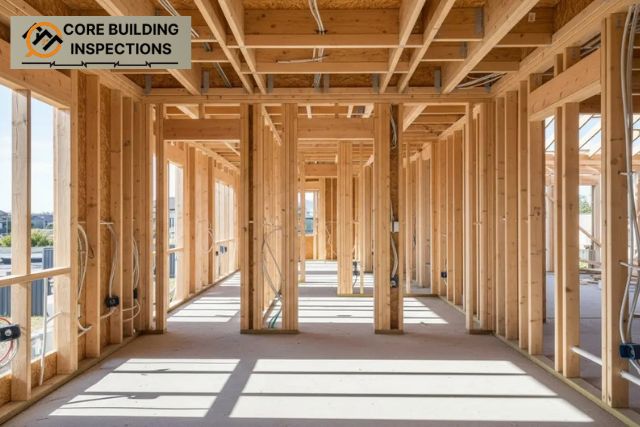
Building a home is a complex puzzle where every piece must fit perfectly before the next layer is applied. In the Victorian construction timeline, the stage just before the internal walls are lined is perhaps the most critical window for quality control. A pre plaster inspection serves as the final “open-wall” audit, allowing you to see the skeleton of your home before it is permanently hidden behind sheets of gypsum. Once the plaster is hung, set, and painted, the opportunity to rectify structural deviations, plumbing leaks, or electrical hazards becomes significantly more difficult and expensive. For Melbourne homeowners in 2026, this inspection is the ultimate safeguard against hidden defects that could plague a property for decades.
The Hidden Importance of the Pre-Plaster Stage
The reason this specific stage is so vital is simple: visibility. During a Pre-Plaster House Inspection, every stud, noggin, pipe, and wire is exposed. It is the only time an inspector can verify that the “hidden” services of the home are installed according to the National Construction Code (NCC) and Australian Standards. Builders are often under immense pressure to maintain schedules, and subcontractors may inadvertently knock a brace loose or notch a load-bearing stud incorrectly to fit a pipe. Catching these errors now means they can be fixed in minutes with a few extra nails or a timber brace. If discovered after plastering, those same fixes could require tearing down walls and repainting entire rooms.
1. Structural Framing and Bracing
The first and most important check involves the integrity of the timber or steel frame. We verify that all studs are plumb, plates are level, and that the bracing which provides the house its lateral stability is installed exactly as per the engineering plans. We look for over-notching, where plumbers or electricians have cut too deeply into structural members, potentially weakening the frame. In the windy corridors of Melbourne’s outer suburbs, ensuring that the frame is rigid and correctly tied down is essential for preventing future wall cracks and structural movement.
2. Plumbing and Pipework Security
A silent leak inside a wall is a homeowner’s worst nightmare. During a pre plaster inspection Melbourne experts check that all water lines and waste pipes are securely clipped and supported. If pipes are loose, they can vibrate when water is turned on or off a phenomenon known as water hammer which eventually leads to joint failure and leaks. We also verify that there is adequate clearance between hot and cold water lines and that all penetrations through the top and bottom plates are correctly sealed.
3. Electrical Rough-In and Safety
Safety is paramount when it comes to the home’s electrical system. We inspect the rough-in to ensure that cables are not pinched between timber members and that they are kept away from sharp metal edges. This check also verifies that power points, light switches, and data points are located exactly where you requested them in your electrical plan. It is far easier to move a socket six inches to the left now than it is after the plasterboards are installed and finished.
4. Insulation Coverage and Thermal Breaks
With Victoria’s energy efficiency standards becoming stricter in 2026, the quality of your insulation installation is critical for comfort and running costs. We check that the glasswool or rockwool batts are fitted snugly between studs with no gaps, as even a small gap can significantly reduce the R-value of the wall. We also verify the installation of “thermal breaks” and vapor barriers, which are essential for preventing condensation and mold growth within the wall cavity—a common issue in Melbourne’s damp winters.
5. Window and Door Flashings
Waterproofing starts from the outside in. We inspect the flashings around every window and external door frame. These metal or plastic membranes are designed to divert water away from the internal structure. If these are missing or improperly installed, rainwater can seep into the wall cavity, rotting the timber frame long before you ever see a damp spot on your paint. We ensure that the weep holes are clear and that the flashing is integrated correctly with the building wrap.
6. Wall Straightness and Squarity
While this might seem cosmetic, it has a huge impact on your final finish. We use long straight-edges and laser levels to check that walls are perfectly flat. If a stud is bowed or twisted, the plasterboard will follow that curve, resulting in wavy walls that are painfully obvious once high-gloss paint or downlights are added. Checking for “proud” studs now allows the builder to plane them down or pack them out, ensuring your cabinetry and skirting boards fit perfectly flush later on.
7. Roof Truss and Ceiling Tie-Downs
Above the walls, the roof trusses must be correctly connected to the wall plates. We verify that the triple-grip connectors and hurricane ties are in place. These prevent the roof from lifting during extreme weather events. We also check that the ceiling battens are spaced correctly to support the weight of the plasterboard without sagging over time.
8. Blocking for Wall-Mounted Items
One of the most practical parts of our checklist is verifying the blocking. This involves installing extra timber noggins between studs in places where you plan to hang heavy items, such as wall-mounted TVs, heavy mirrors, or floating vanities. Without this timber support, you would be relying on the strength of the plasterboard alone, which is a recipe for disaster. We cross-reference your furniture and AV plans to ensure the support is exactly where you need it.
9. Service Clearances and Fire Stopping
In multi-story homes or homes with attached garages, fire-rated walls are a legal requirement. We check that the fire stopping material is installed around any pipes or wires that pass through these walls. This prevents smoke and flames from traveling through the wall cavities in the event of a fire. We also ensure there is adequate clearance between gas lines and electrical cables to prevent any risk of arcing or accidental combustion.
10. Site Cleanliness and Debris Removal
Finally, we look at what shouldn’t be in your walls. Construction debris like food scraps, offcuts of timber, or drink cans left inside a wall cavity can attract termites or cause odors over time. A clean wall cavity is a sign of a professional build. We ensure the base plates are swept clean before the plasterers arrive to seal the walls shut forever.
Conclusion: Why Core Building Inspections is the Smart Choice
A pre plaster inspection is the ultimate insurance policy for your new home’s internal systems. It is the bridge between the rough structural work and the beautiful finished product you’ve been dreaming of. At Core Building Inspections, we provide you with a detailed photographic report and a list of necessary rectifications that you can hand straight to your builder. Our goal is to ensure that your Melbourne home is not just beautiful on the outside, but safe, efficient, and structurally sound on the inside.
Don’t let your builder hide their mistakes. [Book your Pre-Plaster Inspection with Core Building Inspections today] and move in with total peace of mind.