Melbourne Building Inspectors: Expert Property Guidance

Pre-Purchase Building Inspection in Altona North
November 16, 2026
When entering Victoria’s dynamic real estate market, hiring professional Melbourne Building Inspectors is one of the most practical steps a prospective property buyer can take. Property purchases across Greater Melbourne—from inner-city heritage terraces and established suburban homes to modern multi-level developments—represent significant financial commitments. However, beneath freshly painted walls, stylish interiors and landscaped gardens, properties can conceal structural defects, waterproofing failures, drainage problems and timber pest activity.
A professional Melbourne building and pest inspection helps buyers identify visible defects and potential risks before committing to a purchase. It provides a clearer understanding of the property’s condition, helping buyers make informed decisions and prepare for possible repair and maintenance costs.
In Victoria, buyers should not rely entirely on the property’s appearance or information provided during an open inspection. Some defects may not become obvious until after settlement. Standard home insurance may also exclude certain types of damage caused by gradual deterioration, poor workmanship or pest activity. Arranging an independent building inspection in Melbourne can help reduce uncertainty and highlight issues that may require further investigation.
The Vital Difference Between Bank Valuations and Independent Property Inspections
Many first-time buyers and property investors wonder whether a bank valuation is sufficient before purchasing a home. However, a bank valuation and an independent building inspection serve different purposes.
A bank valuation primarily assesses the property’s market value for lending purposes. It helps the financial institution evaluate whether the property provides sufficient security for the requested loan. It is not intended to provide a detailed assessment of the building’s physical condition.
An independent building inspector in Melbourne works on behalf of the buyer to assess the property’s visible condition. The inspection generally identifies major defects, minor defects, safety concerns and signs of deterioration within the agreed inspection scope.
This information can help buyers understand potential repair requirements, seek specialist advice, discuss concerns with their conveyancer and make more informed decisions before settlement.
Comprehensive 6-Zone Property Inspection Framework
A reliable property inspection should involve more than a quick walk-through. A systematic assessment examines different areas of the building to identify visible defects and signs of potential problems.
1. Subfloor and Foundation Stability
For properties with suspended timber floors, inspecting the subfloor area is important. Inspectors look for signs of foundation movement, damaged stumps, timber deterioration and excessive moisture.
They may examine:
- Concrete, steel or timber stumps for movement and deterioration
- Floor joists and bearers for damage or decay
- Signs of termite activity, including mud leads and damaged timber
- Subfloor ventilation and moisture conditions
- Uneven flooring and visible signs of structural movement
Poor ventilation and ongoing moisture exposure can contribute to timber decay and other building problems. Identifying these conditions early can help buyers understand whether further assessment or repairs may be necessary.
2. Roof Exterior, Flashings and Stormwater Drainage
The roof protects the property from rain, wind and changing weather conditions. Damaged roofing materials or poorly maintained drainage systems can allow water to enter the building.
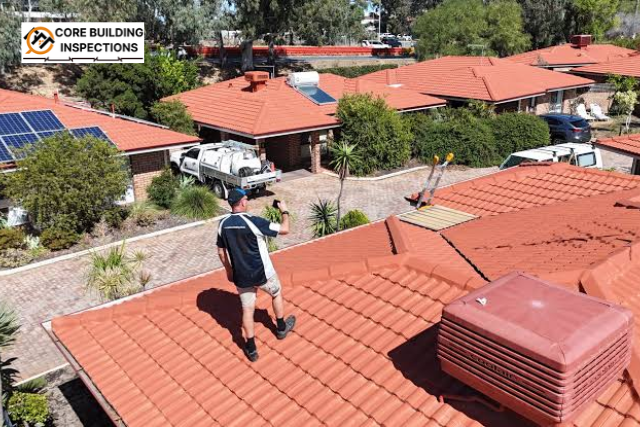
During the inspection, accessible roof areas may be checked for:
- Cracked, loose or missing roof tiles
- Corrosion or damage to metal roof sheeting
- Deteriorated ridge capping and roof flashings
- Blocked gutters and downpipes
- Signs of water penetration around chimneys and skylights
- Drainage concerns around the building’s perimeter
Inspectors also look for visible signs that rainwater is collecting near the property’s foundations. Poor drainage can contribute to dampness, soil movement and deterioration over time.
3. Roof Cavity, Trusses and Ceiling Framing
The roof cavity provides important information about the property’s structural condition. Where safe and accessible, inspectors examine the roof space for visible damage and signs of previous water penetration.
Areas of attention include:
- Rafters, ceiling joists and roof trusses
- Timber splitting, sagging or deterioration
- Signs of roof leaks and moisture damage
- Visible termite activity or timber pest damage
- Insulation condition and ventilation
- Exhaust fan ducting and its visible discharge arrangements
Water stains, damaged timber and unusual structural movement may indicate problems that require further investigation.
4. External Walls, Brickwork and Cladding
External walls help protect the building from weather exposure and moisture penetration. Their condition can reveal signs of movement, deterioration and maintenance problems.
Inspectors may assess:
- Brickwork, mortar joints and visible masonry cracks
- External cladding and weatherboards
- Rendered wall surfaces
- Window frames and visible lintels
- Weep holes and visible termite inspection zones
- Signs of rising damp or moisture penetration
Stepped cracks in brickwork, deteriorated mortar and damaged cladding should be assessed carefully. Although some cracks may be cosmetic, others can indicate movement or more serious building concerns.
5. Internal Living Spaces and Structural Alignment
A room-by-room inspection helps identify visible defects throughout the property’s interior. Inspectors examine walls, ceilings, floors, windows and doors for signs of damage or deterioration.
Common areas checked include:
- Cracks in plasterboard walls and ceilings
- Uneven or sloping floors
- Damaged skirting boards and floor coverings
- Doors and windows that do not operate properly
- Signs of previous water leaks
- Loose fittings and visible safety concerns
Doors that frequently stick, diagonal cracks near windows and uneven flooring may indicate movement. These observations do not automatically confirm a structural problem, but they can help determine whether further assessment is needed.
6. Wet Areas, Bathrooms and Plumbing-Related Concerns
Bathrooms, ensuites, laundries and kitchens are particularly important areas because hidden moisture can cause damage over time.
Inspectors look for visible signs such as:
- Deteriorated shower seals and silicone joints
- Loose or drummy tiles
- Water staining around bathroom fixtures
- Swollen vanity cabinets and damaged flooring
- Visible leaks beneath sinks
- Moisture damage around showers and bathtubs
Moisture meters and thermal imaging equipment may be used where appropriate and available. These tools can help identify areas requiring further investigation, but they do not automatically confirm the source of moisture or the condition of concealed waterproofing membranes.
Common Building Problems Found in Melbourne Properties
Melbourne has a diverse housing market, with properties ranging from older weatherboard homes to contemporary apartments. Different building types and construction periods can present different maintenance and inspection concerns.
Understanding common property defects can help buyers know what to look for before purchasing.
Foundation Movement and Cracking
Changes in soil moisture, drainage conditions and ground movement can affect building foundations. Some areas of Melbourne contain reactive clay soils that may expand or contract as moisture levels change.
Visible warning signs can include:
- Cracks in internal plaster and external brickwork
- Uneven floors
- Gaps around doors and windows
- Doors that become difficult to open or close
Not every crack indicates serious structural damage. However, significant or recurring cracking should be assessed by an appropriately qualified specialist when recommended.
Rising Damp and Water Penetration
Moisture problems can affect both older and newer properties. Rising damp, leaking roofs, damaged plumbing and poor external drainage may contribute to damp walls, mould growth and deteriorating building materials.
During a building inspection, visible indicators may include peeling paint, bubbling plaster, musty smells, water staining and damaged skirting boards.
Identifying the likely source of moisture is important because simply repainting or covering the affected area may not resolve the underlying issue.
Termite Activity and Timber Damage
Timber pests can cause significant damage to structural and non-structural timber components. Termites may remain concealed within walls, floors and other areas, making early identification difficult.
A dedicated building and pest inspection in Melbourne can help identify visible signs of termite activity, timber damage and conditions that may increase pest risk.
Buyers should also understand that a visual inspection cannot guarantee that concealed termite activity is absent. Where evidence of pest activity is found, a more detailed assessment may be recommended.
Roof Leaks and Poor Drainage
Melbourne’s changing weather conditions can expose weaknesses in roofing and stormwater systems. Blocked gutters, damaged flashings, cracked tiles and poorly maintained downpipes may allow water to enter the property.
Water penetration can damage ceilings, insulation, timber framing and internal finishes. Checking roof drainage and visible signs of past leaks is therefore an important part of a pre-purchase inspection.
Asbestos in Older Homes
Some older Melbourne properties may contain asbestos-containing materials, depending on their construction date and renovation history. These materials may be present in certain wall linings, eaves, roofing products and other building components.
A standard visual building inspection is not an asbestos identification or testing service. If suspected materials are observed, buyers should seek advice from a suitably qualified asbestos professional before disturbing or removing them.
Why a Separate Building and Pest Inspection Matters
A building inspection and a timber pest inspection assess different types of property risks. While a building inspection focuses on the visible condition of the structure and its components, a timber pest inspection looks for signs of termite activity, timber pests and conditions that may encourage infestation.
Combining both assessments can provide buyers with a broader understanding of the property’s condition.
A combined inspection may help identify:
- Major structural defects and visible building damage
- Signs of active or previous termite activity
- Timber decay and moisture-related deterioration
- Conditions that may increase the risk of future pest problems
- Areas requiring specialist investigation
For buyers considering older houses, properties with extensive timber components or homes with previous moisture problems, these assessments can be particularly valuable.
What Does a Pre-Purchase Building Inspection Report Include?
A professional pre-purchase building inspection Melbourne report should clearly explain the property’s visible condition and highlight defects that may require attention.
Depending on the inspection scope, the report may include:
- Property details: The inspected address, inspection date and relevant property information.
- Major defects: Significant visible problems that may affect the building’s condition or require substantial repairs.
- Minor defects: Maintenance issues and less significant damage identified during the inspection.
- Safety concerns: Visible conditions that may create a risk to occupants.
- Timber pest observations: Signs of termite activity or timber damage where a pest inspection is included.
- Photographic evidence: Images showing relevant defects and areas of concern.
- Recommendations: Advice about maintenance, repairs or further specialist assessment where necessary.
Buyers should read the report carefully and ask the inspector to explain any findings they do not understand. If a serious issue is identified, an additional assessment by a structural engineer, plumber, electrician or other specialist may be appropriate.
When Should You Book a Building Inspection in Melbourne?
The best time to arrange a pre-purchase inspection is before the property purchase becomes legally unconditional, allowing time to understand the findings and seek professional advice.
Buyers should consider organising an inspection as early as practical during the purchasing process. This is particularly important when buying at auction or under a contract with limited conditions, as the opportunity to investigate or negotiate may be restricted.
Before booking, discuss the inspection timing with your conveyancer or solicitor so it aligns with your contract conditions and relevant deadlines.
What to Check Before Choosing a Melbourne Building Inspector
Not all inspection services offer the same scope or level of reporting. Choosing an experienced and suitably qualified professional can make the process more useful for buyers.
Consider the following points before booking:
- Relevant experience: Ask about experience inspecting Melbourne homes and different property types.
- Inspection scope: Confirm which areas of the property will be inspected and any access limitations.
- Applicable standards: Ask whether the inspection and report follow the relevant Australian inspection standards.
- Insurance and qualifications: Check the inspector’s relevant qualifications, insurance and professional credentials.
- Report quality: Request information about the report format, photographs and explanations of identified defects.
- Turnaround time: Confirm when you can expect to receive the completed report.
- Combined services: If you need both assessments, confirm whether timber pest inspection is included.
These checks can help you select an inspection service that suits your property and purchasing requirements.
What Happens After Receiving Your Building Inspection Report?
Receiving the inspection report is only the first step. Buyers should review the findings carefully and decide whether any issues require further investigation before proceeding.
A practical approach includes:
- Review major defects first: Understand which findings may have the greatest effect on the property’s condition or repair costs.
- Ask for clarification: Contact the inspector if any observations or recommendations are unclear.
- Arrange specialist assessments: Seek additional advice where structural, electrical, plumbing or other specialist concerns are identified.
- Discuss relevant findings: Speak with your conveyancer or solicitor about any contractual implications.
- Plan future maintenance: Consider the cost and urgency of repairs when assessing the property’s overall value.
An inspection report does not automatically mean that a property should be rejected. Instead, it gives buyers useful information to assess risks and make decisions based on the property’s actual condition.
Protect Your Property Purchase with Professional Melbourne Building Inspectors
Buying a home is a major financial decision, and understanding its condition before settlement can help prevent unexpected problems later. From foundation movement and roof leaks to moisture damage and timber pest activity, a professional inspection provides valuable insight into visible property defects.
At Core Building Inspections, buyers can arrange professional building and pest inspection services in Melbourne to better understand the condition of a property before purchasing. With more than 10 years of experience, the team focuses on identifying potential concerns and providing clear reports that help buyers make informed property decisions.
Whether you are purchasing an established family home, an investment property or a modern residence, arranging an independent inspection is a practical step towards a more informed purchase.