Top Building and Pest Inspection Melbourne Services

Best Home Inspections in Melbourne for Safer Property Investments
November 13, 2026
Why Choose Affordable Building Inspection Services in Footscray
November 16, 2026
The acquisition of a house or commercial property in Victoria is perhaps the most important financial investment that you can make in your life. Behind newly painted plasterboards, trimmed gardens, and modern interior designs, buildings within the Greater Melbourne area are plagued by numerous structural deficiencies, defective waterproofing membranes, and timber destroying insects. Obtaining a comprehensive building and pest inspection Melbourne service before signing any agreements on a purchase which becomes unconditional will be the most effective form of protection against any financial surprises after settlement. Real estate deals in Victoria are largely done under the legal doctrine of caveat emptor. Once the purchase is completed and the property title changes hands, practically all existing problems are yours alone to bear. Besides, typical Australian home and contents insurance coverage does not usually include structural problems caused by ground subsidence, water damage, construction workmanship and underground termites.
Why Combined Building and Timber Pest Audits Are Essential in Victoria
Many prospective buyers initially wonder whether they only need a structural building check or if a dedicated pest evaluation is equally necessary. In practice, scheduling a combined building inspection and pest inspection provides an integrated diagnostic picture that neither assessment can achieve in isolation.
Structural building defects and timber pest infestations are deeply interconnected. Subterranean termites require constant moisture to survive and avoid drying out, which means a minor plumbing leak behind a shower wall or a blocked subfloor drainage pipe quickly creates an ideal microclimate for termite colonization. Conversely, subterranean termites and wood-boring beetles hollow out load-bearing studs, floor joists, and roof trusses from the inside out, turning an active biological infestation into an urgent structural safety hazard.
By assessing both physical construction integrity and biological threats during a single comprehensive site visit, inspectors cross-reference moisture anomalies, structural deflections, and pest activity simultaneously. This unified approach eliminates blind spots between different trades and saves buyers both time and inspection fees during tight contract timelines.
Understanding Victorian Building Standards and Regulatory Frameworks
Not every property inspection service in Victoria operates to the same technical benchmark. When evaluating top providers across the state, buyers should verify that every assessment adheres strictly to national building inspection guidelines and Victorian regulatory requirements.
National Residential Building Inspection Guidelines
Established national building inspection standards set the baseline methodology for non-invasive visual inspections of residential dwellings in Australia. These guidelines define exactly what areas must be inspected—including internal rooms, roof spaces, exterior walls, roof exteriors, subfloors, and site features—while requiring inspectors to classify findings systematically into major defects, minor defects, and immediate safety hazards. They also mandate transparent documentation of any access limitations.
National Timber Pest Inspection Standards
Recognized Australian timber pest inspection protocols govern specialized visual and diagnostic audits for wood-destroying organisms, specifically subterranean termites, damp-wood termites, seasoned timber borers, and fungal wood rot. Under these national guidelines, the inspector evaluates not only active infestations and historical damage, but also conducive conditions—environmental factors such as poor subfloor ventilation, direct timber-to-soil contact, or bridging over physical barriers that elevate future infestation risks.
Victorian Regulatory Oversight and Registration
Victoria maintains strict oversight over building practitioners under state building legislation, administered through the Victorian Building Authority (VBA) practitioner registration framework. Engaging an inspector who holds active VBA building practitioner registration—rather than an unregulated franchise operator with minimal construction background—ensures your auditor possesses formal qualifications, technical competence, and legal accountability.
Comprehensive 7-Zone Inspection Checklist: What Top Inspectors Evaluate
A premier building and pest inspection provider never relies on a hurried walk-through. A thorough on-site evaluation typically requires between 1.5 and 2.5 hours for a standard three-to-four-bedroom home and systematically covers seven distinct zones across the allotment.
1. External Site, Grounds, and Boundary Structures (Up to 30 Meters)
Subterranean termites rarely originate inside a house; they forage inward from external cellulose sources across the block. Inspectors walk the entire perimeter of the property up to 30 meters from the primary dwelling, checking timber boundary fences, treated pine retaining walls, garden sleepers, external decking, pergolas, and outbuildings. They also inspect mature native trees—particularly Eucalyptus species—and rotting tree stumps for primary subterranean termite nests and mud tracking leads.
2. Building Exterior Envelope, Brickwork, and Cladding
The exterior wall envelope protects the structural frame from weather exposure and ground moisture. Auditors examine brick veneer masonry, solid brick walls, weatherboards, rendered foam cladding, mortar joints, steel lintels above windows, and perimeter weep holes. Key indicators include stepped masonry cracking caused by foundation movement, fretting mortar from rising damp, and breached termite inspection zones where garden mulch or paving covers the exposed concrete slab edge.
3. Roof Exterior, Flashings, Gutters, and Stormwater Drainage
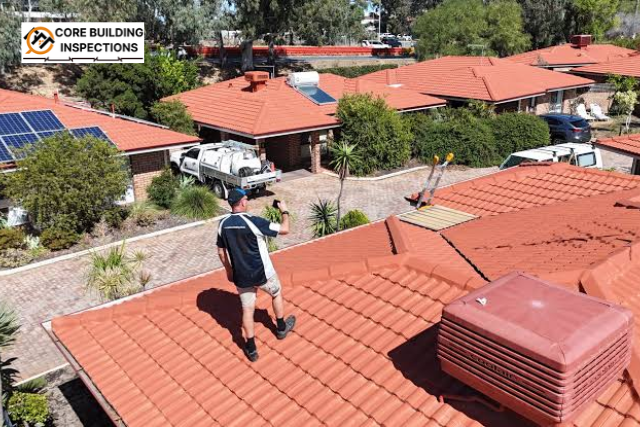
Using high-reach ladders or specialized aerial camera poles, inspectors evaluate roof tiles, corrugated metal sheeting, ridge capping mortar, valley irons, skylights, and chimney flashings. Cracked roof tiles, rusted valley trays, and blocked box gutters allow rainwater to penetrate eaves and wall cavities. Auditors also verify that roof downpipes discharge properly into legal stormwater drains rather than pooling water against the building footings.
4. Roof Cavity, Trusses, and Ceiling Framing
Entering the ceiling manhole allows the inspector to examine the structural skeleton overhead. Inside the roof void, the auditor inspects load-bearing rafters, ceiling joists, hanging beams, collar ties, and engineered gang-nail trusses for structural sagging, timber splitting, or missing tie-down straps. They also check ceiling insulation coverage, exhaust fan ducting, and signs of historical roof leaks or active termite mud galleries along rafters.
5. Subfloor Crawlspaces, Stumps, Bearers, and Ventilation
For Victorian properties built on suspended timber floors, entering the subfloor crawlspace is non-negotiable. Navigating restricted spaces with high-powered lighting, the inspector tests red gum, concrete, or steel stumps for subsidence, rotting timber bases, or cracking. They examine timber bearers and floor joists for fungal decay, borer exit holes, and subterranean termite mud leads, while verifying that galvanized ant caps remain intact and wall ventilation louvers provide adequate cross-flow airflow.
6. Internal Living Spaces, Joinery, and Structural Alignment
Inside the dwelling, auditors conduct a room-by-room assessment of plasterboard walls, decorative cornices, ceilings, timber floorboards, skirting boards, window frames, and internal doors. Doors that jam in their frames, windows that refuse to latch, uneven floor slopes, and diagonal cracks radiating from window corners frequently point toward underlying foundation movement. Inspectors also systematically sound timber skirting boards and architraves to detect hollowed-out interiors caused by concealed termite feeding.
7. Wet Areas, Bathrooms, Kitchens, and Plumbing Systems
Bathrooms, ensuites, laundries, and kitchens account for the majority of expensive post-purchase repair claims in Melbourne. Auditors inspect shower recesses, bathtub seals, vanity cabinetry, tiled floors, and tapware for deteriorated silicone joints, drummy tiles, and sub-surface moisture saturation. Because leaking shower membranes frequently rot timber wall studs behind tiles without immediate visible stains, specialized diagnostic instrumentation is critical in this zone.
Advanced Non-Invasive Diagnostic Technology Used in Modern Audits
Because standard property inspection guidelines strictly govern non-invasive audits, an inspector cannot cut into plasterboard walls or lift fixed floorboards during a pre-purchase visit. The best inspection services overcome visual limitations by deploying advanced diagnostic instruments on every job:
-
High-Resolution Infrared Thermal Imaging Cameras: Thermal cameras detect minute surface temperature differentials across walls, ceilings, and floors. Evaporating moisture behind bathroom tiles creates distinct cool thermal signatures, while dense clusters of active subterranean termites generate subtle localized heat pockets. Thermal imaging enables inspectors to pinpoint concealed leaks and pest nests invisibly.
-
Pinless and Deep-Probe Electronic Moisture Meters: Once a thermal anomaly or suspect wet area is identified, calibrated moisture meters measure exact moisture content within timber framing, plasterboard, and masonry. Elevated moisture readings confirm active plumbing leaks, rising damp, or conducive environments for timber decay.
-
Acoustic Timber Sounding Tools: Specialized sounding devices allow trained auditors to tap timber joinery, stumps, and bearers, distinguishing the crisp resonance of solid timber from the dull, hollow pitch of wood eaten away by termites.
-
High-Reach Aerial Inspection Poles: Where steep roof pitches or multi-storey heights restrict safe ladder access, telescopic camera poles capture clear close-up imagery of ridge capping, flashings, and upper gutters.
How to Choose Affordable Building Inspection Services Melbourne Without Sacrificing Quality
When budgeting for property due diligence, buyers naturally compare quotes across providers. Finding Affordable building inspection services Melbourne buyers can trust means looking for transparent, all-inclusive value rather than simply choosing the lowest advertised price.
In the Melbourne inspection market, standard combined building and pest audits typically range between $450 and $750 AUD depending on property size, number of bedrooms, structural complexity, and subfloor accessibility. Be cautious of ultra-cheap operators advertising sub-$300 combined inspections, as those fees rarely cover the time or credentials required for a genuine audit. Common corners cut by budget operators include:
-
Charging hidden extra fees for thermal imaging or moisture meter testing.
-
Refusing to enter subfloor crawlspaces or roof voids due to minimal effort or lack of safety equipment.
-
Sending non-registered franchise trainees rather than licensed, VBA-registered building practitioners.
-
Delivering generic, copy-and-paste checklist PDFs with minimal property-specific photographs.
True affordability lies in paying a fair, transparent fixed fee for an exhaustive audit that uncovers a $25,000 waterproofing failure or active termite colony before you buy—delivering an immediate return on investment many times over.
Essential Criteria for Evaluating a Building Pest Inspection Melbourne Provider
Before booking your building pest inspection Melbourne appointment, verify that your shortlisted provider meets six non-negotiable professional benchmarks:
-
VBA Practitioner Registration: Confirm the attending inspector is an officially registered building practitioner with hands-on construction and structural auditing experience.
-
Full Professional Indemnity and Public Liability Insurance: Ensure the company carries active insurance policies specifically covering both structural building inspections and timber pest evaluations.
-
100% Independence from Real Estate Agents: Avoid relying solely on vendor-supplied inspection reports provided at open homes. Always commission your own independent auditor whose sole duty of care is to you, the buyer.
-
Thermal Imaging and Moisture Diagnostics Included Standard: Confirm that infrared thermal cameras and moisture meters are used on every inspection at no additional surcharge.
-
Fast 24-Hour Digital Reporting: Property transactions move rapidly. Your provider must deliver a clear, high-resolution photographic report within 24 hours of site access so you never miss a cooling-off or auction deadline.
-
Direct Post-Inspection Phone Consultation: A written report is only half the service; ensure your inspector calls you personally to walk through findings in plain English and answer your questions.
Decoding Your Inspection Report: Defect Classifications and Legal Leverage
Once your inspection report arrives, knowing how to interpret its classifications allows you to act decisively before settlement. Under Australian residential inspection guidelines, findings are grouped into clear categories:
-
Major Defects: Serious structural or functional failures that compromise the building’s structural integrity, habitability, or weatherproofing—such as subsiding foundations, severe roof framing deflection, active termite damage to load-bearing timbers, or failed bathroom waterproofing.
-
Minor Defects: Normal wear-and-tear, cosmetic blemishes, or routine maintenance items expected for a property of its age—such as minor plaster cracks, weathered exterior paint, or dripping tap washers.
-
Safety Hazards: Immediate risks to occupants, including non-compliant balustrade heights, missing smoke alarms, loose electrical fittings, or unstable external steps.
-
Conducive Conditions: Environmental factors that encourage future pest or moisture damage, such as garden beds piled above weep holes, leaking downpipes, or blocked subfloor vents.
Turning Findings into Negotiation Power
If your report uncovers major defects or active timber pests, your conveyancer or solicitor can use the documented photographic evidence to pursue three primary options:
-
Negotiate a Purchase Price Reduction: Obtain written quotes from licensed tradespeople to rectify the defects and negotiate an equivalent discount off the contract price.
-
Require Vendor Rectification Prior to Settlement: Amend the contract so the seller must engage licensed builders or pest specialists to complete repairs—and provide compliance certificates—before final settlement funds are released.
-
Terminate the Contract Safely: Where your contract includes a properly drafted subject-to-building-and-pest-inspection clause, major structural or pest defects allow you to withdraw from the purchase legally and recover your full deposit.
Pre-Auction vs. Subject-to-Inspection: Timing Your Audit in Victoria
Victoria’s real estate market relies heavily on public auctions, which carry strict legal rules compared to private treaty sales:
-
Buying at Auction: In Victoria, properties purchased at auction—or within three clear business days before or after a scheduled auction—do not qualify for the standard three-day statutory cooling-off period, nor can you make an auction bid conditional on a building inspection. If you intend to bid at auction, you must arrange your building and pest inspection melbourne audit during the marketing campaign before auction day.
-
Buying via Private Sale: For private treaty purchases, buyers generally benefit from a three-business-day statutory cooling-off period (subject to specific exemptions) and can insert a formal subject-to-building-and-pest-inspection special condition into the Contract of Sale—typically allowing 7 to 14 days to complete the audit and review findings with a legal representative.
Why Victorian Buyers Trust Core Building Inspections
When navigating high-stakes property purchases across Greater Melbourne and regional Victoria, partnering with a proven, transparent inspection specialist makes all the difference. Core Building Inspections has earned a strong reputation among home buyers, property investors, and conveyancers for delivering thorough, unbiased, and easy-to-understand property evaluations.
Every audit performed by Core Building Inspections is conducted by licensed, VBA-registered, and fully insured building inspectors operating in strict compliance with recognized Australian residential building and timber pest inspection standards. Rather than rushing through surface checks, their inspectors examine every accessible zone—from boundary fences and subfloor stumps to roof framing and internal wet areas—utilizing high-resolution thermal imaging cameras and precision moisture meters on every inspection at no extra cost.
Clients receive comprehensive, plain-English digital reports packed with annotated high-definition photographs within 24 hours of the site visit, followed by a direct phone consultation with the attending inspector. Whether you are bidding at an inner-city auction, purchasing a family home in Melbourne’s growth corridors, or expanding a Victorian investment portfolio, Core Building Inspections gives you the factual clarity and confidence required to invest safely.
Frequently Asked Questions About Building and Pest Inspections in Melbourne
How long does a combined building and pest inspection take on site?
A thorough combined inspection for a standard three-to-four-bedroom house in Melbourne typically takes between 1.5 and 2.5 hours, depending on property age, floor plan size, site slope, and subfloor or roof void accessibility.
Can I attend the inspection in person?
Yes. Buyers are encouraged to attend during the final 20 to 30 minutes of the inspection so the auditor can walk you through significant findings on site, explain maintenance priorities, and answer your questions directly.
What happens if the real estate agent or tenant refuses access to the roof void or subfloor?
Under Australian residential inspection standards, any area that cannot be accessed due to locked hatches, tenant belongings, or unsafe clearance must be clearly recorded under access limitations in your report. If concealed defects are suspected in restricted zones, your inspector will recommend arranging cleared access prior to waiving contractual contingencies.
Do newly built or off-the-plan homes in Melbourne still need a building and pest inspection?
Absolutely. New residential builds frequently exhibit unfinished waterproofing seals, missing roof insulation, drainage grading issues, and framing tolerances that breach Victorian building standards. A pre-handover or practical completion inspection ensures the builder rectifies defects before you release final payment.
How quickly will I receive my inspection report?
Top providers like Core Building Inspections deliver complete digital photographic reports within 24 hours of completing the physical site inspection—often on the very same evening—so you can meet tight auction or cooling-off deadlines without stress.