Pre-Purchase Building Inspection in Altona North

Why Choose Affordable Building Inspection Services in Footscray
November 16, 2026
Melbourne Building Inspectors: Expert Property Guidance
November 16, 2026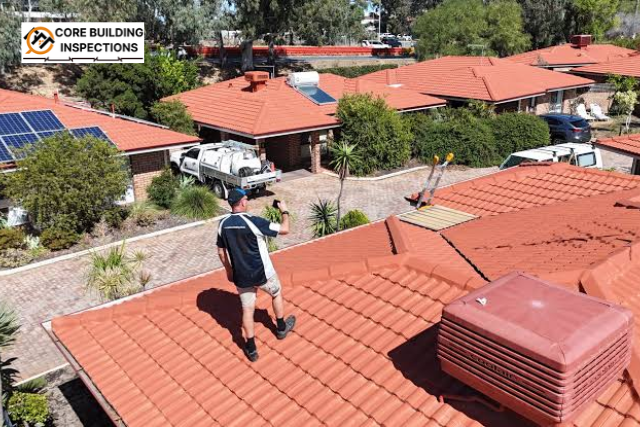
The houses in Altona North are pretty varied. You can find older weatherboard houses, classic brick homes, newer townhouses for two families, and modern architectural designs. This mix, along with the area’s lifestyle appeal, makes it attractive. But here’s the catch: even if a house looks great on the outside with fresh paint and nicely decorated interiors, there could be serious problems underneath. This might include structural issues, problems with how well the house keeps out the weather, or hidden pest damage, especially with termites.
That’s why it’s really important to get a professional building inspection in Altona North done before you sign the contract for a property in Altona North. It’s even better to combine this with a building and pest inspection to check for both structural defects and any termite risks, including those that might be underground. Smart investors often get a full building and pest inspection service in Altona North, sometimes as part of an affordable package, to make sure they’ve done all their homework without spending too much before buying.
In Victoria, the law generally says that buyers are responsible for checking properties themselves. Once the sale is final and the property is legally yours, any existing problems become your financial responsibility. Hiring an independent building inspector can turn what you see at an open house into solid, technical information. This protects your money and gives you a strong position if you need to negotiate.
Understanding Altona North’s Unique Housing Stock and Environmental Factors
A generic property assessment rarely accounts for the micro-climates and construction styles unique to Melbourne’s inner west. Altona North’s property market presents distinct structural characteristics that require specialized local inspection expertise:
-
Post-War Brick Veneer and Weatherboard Homes: Many established properties constructed in the mid-20th century feature timber framing, original terracotta or concrete roof tiles, and ageing subfloor stumps. Over decades, natural timber fatigue, ground shifting, and moisture exposure can compromise structural stability.
-
Modern Dual-Occupancy Townhouses: Infill development across Altona North has introduced multi-level townhouses sharing common party walls. These properties require careful evaluation of soundproofing, fire-separation walls, balcony waterproofing membranes, and external cladding integrity.
-
Geological and Soil Dynamics: Much of Melbourne’s western region rests on reactive basalt clay soils. These soils expand significantly during wet winter months and shrink rapidly during dry summer periods, exerting continuous hydraulic pressure on concrete slabs, strip footings, and brickwork.
Booking a dedicated Building Inspection Services in Altona North ensures that your property is evaluated with full awareness of these regional structural stressors.
What Makes an Inspection Truly “Affordable” in Altona North?
When budgeting for property due diligence, buyers naturally compare quotes across various providers. It is important to distinguish between cheap, rushed inspections and genuinely Affordable Building Inspection Services in Footscray—or in this context, Altona North. Ultra-low-cost operators often cut corners by skipping roof voids, ignoring subfloor crawlspaces, or omitting essential diagnostic testing.
True affordability is defined by transparent, all-inclusive value that prevents catastrophic post-settlement expenses. A comprehensive pre-purchase audit should deliver:
-
Fixed Upfront Pricing: No hidden travel fees or surprise surcharges for specialized diagnostic tools.
-
Comprehensive Scope: Combining structural building checks with timber pest evaluations in a single visit.
-
High Return on Investment: Identifying a major waterproofing failure or active termite infestation before settlement can save you tens of thousands of dollars in unexpected repair costs.
Comprehensive 6-Zone Inspection Checklist: What Auditors Evaluate
A thorough pre-purchase property evaluation systematically examines six primary physical zones across the allotment:
1. External Grounds and Site Drainage
Inspectors assess surface water grading, retaining walls, boundary fencing, and external outbuildings. In flat western suburbs, poor drainage grading or blocked stormwater run-off can direct water straight toward building foundations, accelerating soil movement and subfloor dampness.
2. Building Exterior Envelope and Brickwork
The exterior walls are checked for stepped articulation cracking in brickwork, fretting mortar caused by rising damp, rotted timber weatherboards, and rusted steel lintels above windows and doors. Inspectors also verify that weep holes remain unobstructed by paving or garden mulch.
3. Roof Exterior, Flashings, and Gutters
Using ladders or high-reach aerial cameras, auditors evaluate roof tiles, metal sheeting, ridge capping mortar, valley irons, gutters, and downpipes. Blocked gutters and cracked roof tiles allow rainwater to penetrate eaves and wall cavities, fostering mold and timber decay.
4. Roof Void and Ceiling Framing
Entering the ceiling manhole allows the inspector to examine the structural skeleton overhead. Load-bearing rafters, ceiling joists, hanging beams, and insulation coverage are checked for sagging timber, unauthorized DIY modifications, and historical roof leaks.
5. Subfloor Crawlspace and Foundations
For homes built on suspended timber floors, navigating the subfloor space is essential. Inspectors examine stump stability (whether red gum, concrete, or steel), timber bearers, floor joists, cross-flow ventilation louvers, and ground moisture levels.
6. Interior Rooms and Wet Areas
Inside the dwelling, every room is assessed for wall movement, sticking doors, and uneven flooring. Bathrooms, laundries, and kitchens receive intensive scrutiny using pinless electronic moisture meters and infrared thermal cameras to detect hidden plumbing leaks behind tiled shower walls.
Why Combining Building and Pest Inspections Is Essential
Structural building defects and timber pest infestations are deeply interconnected. Subterranean termites require constant moisture to survive and avoid desiccation, meaning a slow plumbing leak behind a bathroom wall or a damp subfloor creates an ideal microclimate for termite colonization.
Scheduling a combined Building and Pest Inspection in Altona North ensures both physical construction integrity and biological threats are evaluated simultaneously. Because subterranean termites consume structural timber from the inside out—leaving an intact outer layer of paint or wood grain—specialized acoustic sounding and thermal imaging are required to uncover hidden colonies before they cause catastrophic structural failure.
How Inspection Reports Strengthen Your Negotiation Position
Receiving a detailed digital photographic report prior to unconditional contract signing gives you clear, strategic leverage:
-
Negotiate Purchase Price Reductions: Use professional defect estimates to request a fair price reduction from the vendor to cover upcoming repairs.
-
Require Vendor Rectifications: Stipulate in the contract that major safety hazards or active pest infestations must be professionally rectified before settlement.
-
Exercise Contractual Contingencies: If your contract includes a subject-to-inspection clause, an adverse report provides the documented legal grounds required to walk away from a high-risk purchase without losing your deposit.
Essential Criteria for Selecting Your Altona North Inspector
Before booking your Pre-Purchase Home Inspection in Footscray or Altona North, verify that your chosen provider meets these non-negotiable professional standards:
-
Active Building Practitioner Registration: Confirm the inspector holds formal registration with regulatory bodies like the Victorian Building Authority (VBA).
-
Comprehensive Insurance Coverage: Ensure the company carries active Professional Indemnity and Public Liability insurance.
-
100% Independence: Always commission your own independent auditor. Never rely exclusively on a vendor-supplied report provided at an open home.
-
Advanced Diagnostics Included Standard: Ensure infrared thermal imaging and moisture meters are utilized on every job at no extra charge.
-
Fast Digital Turnaround: Reports must be delivered within 24 hours of site access to meet tight auction or cooling-off deadlines.
Frequently Asked Questions
How long does a pre-purchase building inspection take on site?
A thorough combined inspection for a standard three-to-four-bedroom home in Altona North typically takes between 1.5 and 2.5 hours, depending on property size, age, and subfloor accessibility.
Can I attend the property inspection in person?
Yes. Buyers are encouraged to attend during the final 20 to 30 minutes of the assessment so the inspector can walk through key findings on-site, explain maintenance priorities, and answer questions directly.
Do brand-new townhouses in Altona North still need a building inspection?
Absolutely. New builds frequently exhibit incomplete waterproofing seals, improper balcony drainage falls, and minor framing tolerances that should be identified and rectified by the builder before final settlement.
What happens if the subfloor or roof void is locked or unsafe to enter?
Under standard inspection protocols, any area that cannot be safely accessed due to locked hatches, low clearance, or tenant obstructions is recorded under access limitations in your report, with recommendations for follow-up access.