Affordable Termite and Pest Inspection Melbourne

Same-Day Building and Pest Inspection Melbourne
July 15, 2026
8 Pre Plaster Inspection Tips Every Homeowner Should Follow
July 21, 2026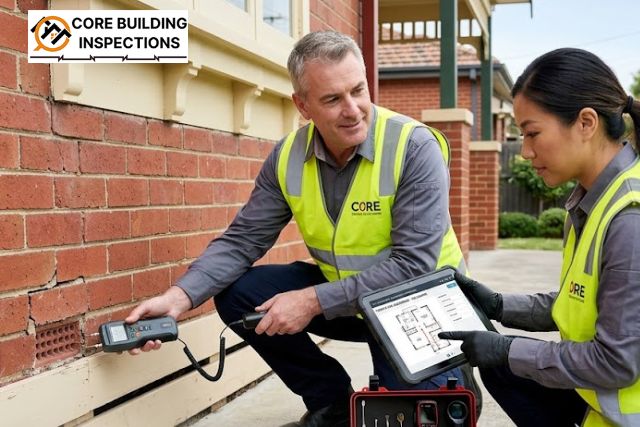
Buying a house in Victoria is a huge financial step. To keep it in good shape, you need to do regular maintenance and stay alert. Most homeowners remember to service their heaters, clean their gutters, and repaint inside. But there’s a more serious danger that often isn’t noticed until serious damage has been done. Insects that eat wood work quietly, weakening the structure of your home. Standard home insurance in Australia does not cover damage from these pests. That’s why having a regular, affordable inspection is the best way to safeguard your investment. Getting a professional check-up will keep your home secure, structurally strong, and free from these pests without costing too much.
The Hidden Financial Threat of Subterranean Pests
Subterranean termites are the most destructive wood-boring insects active throughout the region. These pests live in highly organized underground networks and constantly search for cellulose-rich materials to feed their colony. To travel safely from their damp underground nests into the dry wooden framework of a house, they build specialized mud tracking tunnels along concrete slabs, foundation brickwork, and subfloor structures. The primary reason termites are so dangerous is their ability to feed completely out of sight. They systematically hollow out structural wall studs, floor bearers, and roof trusses while leaving the outer layer of wood or paint completely intact. A home’s framing can be hollowed out to the point of structural failure while looking perfectly fine during a casual walk-through. Without a specialist to systematically check the property, you could easily face an emergency repair bill that costs tens of thousands of dollars.
Why Affordability Matters in Proactive Home Maintenance
Many homeowners put off booking a timber pest audit because they assume the service will be too expensive. However, delaying a check-up creates a massive financial risk. A budget-friendly, proactive inspection plan is always vastly cheaper than treating a fully established infestation and replacing structural timber beams. When searching for affordable options, look for a provider that balances competitive pricing with thorough, high-quality service. The ideal partner offers transparent, flat-rate pricing without any hidden service fees or surprise add-ons. Prioritizing regular, cost-effective maintenance allows you to catch minor pest activity early, keeping your home secure while managing your household budget effectively.
Navigating Local Soil Volatility and Environmental Risk Factors
Different geographic zones present distinct environmental factors that dictate how destructive insects interact with buildings. For example, buyers and owners managing assets in the metropolitan market must navigate specific regional variables, making a regular termite and pest inspection in melbourne an essential part of responsible property ownership. Many northern and western expansion corridors feature highly reactive volcanic basalt clay soils, which hold significant moisture during wet winter periods. This high soil moisture, combined with poor perimeter drainage or leaking stormwater pipes, creates an ideal environment for hungry subterranean termites. Conversely, older, established homes in the inner-city suburbs often feature traditional timber floor stumps that sit directly in damp earth, providing pests with an easy, direct pathway straight into your subfloor framing. A local pest specialist knows these geographical red flags perfectly, allowing them to focus their search on the highest-risk zones of your allotment.
Advanced Non-Invasive Diagnostic Tools Used by the Experts
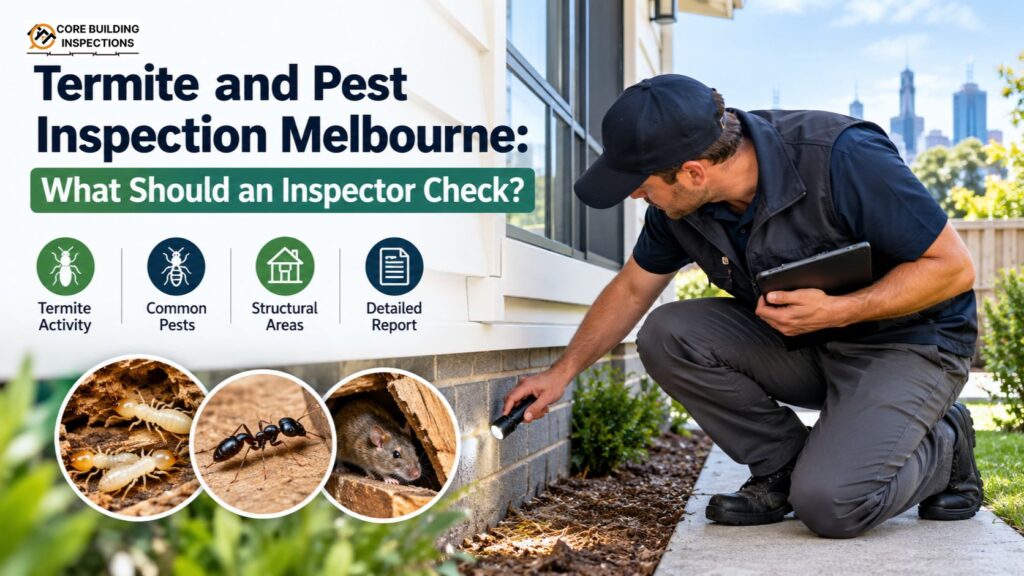
Modern pest detection requires far more than just a basic flashlight and a wooden tapping stick. Today’s certified specialists deploy cutting-edge, non-destructive diagnostic hardware to see through solid building materials without causing any physical alteration to your property.
-
Thermal Imaging Cameras: These devices map out subtle temperature differences behind plasterboard walls and ceilings, pinpointing the hidden moisture and heat profiles generated by a concentrated termite nest.
-
Digital Moisture Meters: Technicians use these sensors to measure exact dampness levels within building materials, tracing hidden plumbing leaks, rising damp, and localized conditions that invite wood rot.
-
Acoustic Termite Detectors: This advanced radar technology allows inspectors to listen for the distinct clicking sounds made by soldier termites deep within the wood, leaving absolutely zero blind spots during the assessment.
Five Critical Areas Covered in a Comprehensive Pest Audit
A professional pest assessment methodically reviews five primary zones across the property to ensure every square meter is safe:
-
Internal Living Spaces: Checking internal baseboards, door frames, window architraves, and plaster walls for rippling, blistering, or hollow spots that suggest pest activity.
-
The Roof Cavity Voids: Climbing inside the ceiling space to inspect the primary roof trusses, ceiling joists, and collar ties for structural borer damage or termite mudding.
-
Accessible Subfloor Crawlspaces: Dropping beneath the floorboards to examine supporting timber bearers, wood stumps, soil moisture levels, and localized subfloor ventilation blockages.
-
External Building Envelopes: Reviewing external timber fascias, brick veneer weep holes, window sills, and deck structures for active pest pathways.
-
The Surrounding Allotment Assets: Checking backyard garden beds, old tree stumps, timber retaining walls, and boundary fences for active outdoor colonies that could easily migrate toward the main home.
Turning Defect Discoveries into Powerful Contractual Leverage
Investing in a thorough pest report provides immense financial and legal protection if you are preparing to buy a new property. A comprehensive, photographic digital register serves as an unbiased mirror of the home’s actual condition, allowing you to bypass real estate marketing spin. When your conveyancer or solicitor is armed with an independent report detailing active pest colonies or structural timber rot, the balance of power shifts completely in your direction. You can use this evidence to negotiate a direct price reduction to cover the documented cost of professional remediation work. Alternatively, you can include a special condition requiring the seller to completely resolve the issue before settlement. If the structural damage is simply too widespread, selecting dedicated Termite and Pest Inspection Services melbourne options gives you the precise legal grounds required to cancel the contract and walk away with your deposit fully intact.
Why Choose Core Building Inspections to Protect Your Asset
When you are preparing to invest your life savings into a property, you deserve a team that prioritizes accuracy, transparency, and consumer protection. Core Building Inspections stands out as Victoria’s premier name for independent property due diligence. Every single residential pest and structural audit we perform is handled by fully qualified construction practitioners officially registered with the Victorian Building Authority (VBA). We know how fast the local real estate market moves, which is why our streamlined framework guarantees a rapid 24-hour turnaround. We deliver a clear plain-English report with high-resolution digital photography straight to your inbox within 24 hours of finishing our on-site survey, giving you the facts you need to act with total confidence.
Actionable Prevention Tips for Homeowners
While professional inspections are essential, homeowners can take several practical steps to significantly reduce the risk of a pest infestation on their allotment:
-
Manage Perimeter Moisture: Fix leaking garden taps, redirect hot water overflow lines away from the foundations, and ensure storm gutters empty correctly into downpipes rather than pooling against your walls.
-
Clear Airflow Vents: Keep subfloor ventilation brick vents completely clear of soil, garden mulch, and stored items to maintain strong airflow and dry out the space under your floors.
-
Remove Direct Wood-to-Soil Contact: Ensure timber garden beds, firewood stacks, and old tree stumps are removed or isolated from the main building structure to eliminate easy food sources for foraging colonies.
-
Keep Weep Holes Clear: Avoid piling garden mulch, soil, or outdoor storage items against external brick veneer weep holes, as this gives termites a hidden gateway past your physical barriers.
Frequently Asked Questions:
Q: What is the difference between a building check and a pest assessment?
A structural building check evaluates the construction quality, safety hazards, and stability of the home’s foundations, framing, and wet area waterproofing. A pest assessment is a separate, highly specialized biological review designed to locate subterranean termites, wood-boring beetles, timber rot, and active environmental conditions that attract wood-destroying insects to the building.
Q: Can a vendor hide active termite damage from an inspector?
While a seller might try to hide surface damage with fresh paint or strategically placed furniture, they cannot hide the hidden heat signatures, moisture profiles, or acoustic sounds of an active colony. Our advanced diagnostic tools including thermal imaging cameras and electronic moisture sensors—allow our inspectors to see past cosmetic concealment to find the facts.
Q: How long does a professional residential pest inspection take on-site?
For a standard three-to-four-bedroom family home, the on-site physical check takes between 1.5 to 2 hours to complete. This timeframe can vary slightly depending on the overall size of the allotment, the age of the building, and how accessible the roof cavity and subfloor spaces are.
Q: Should I trust a pest report provided directly by the selling agent?
No, it is highly recommended to arrange your own independent report. A report provided by the seller or real estate agent may carry an inherent conflict of interest or lack the necessary professional indemnity insurance protections that cover you as the buyer if a critical defect was missed.
Finalize Your Property Choice with Complete Certainty
Do not leave the structural stability and financial safety of your primary investment to guesswork, quick open-house viewings, or rushed decisions. Ensure your future home or investment property is straight, sound, dry, and completely free of hidden pest damage before you sign on the dotted line. Secure your complete peace of mind by booking your independent termite and pest inspection in victoria audit today with Core Building Inspections.