Why Choose Termite and Pest Inspection Services Melbourne

Common Pest Problems Found in Melbourne Properties
June 30, 2026
Building Slab Inspection in Melbourne for New Home Builds
July 3, 2026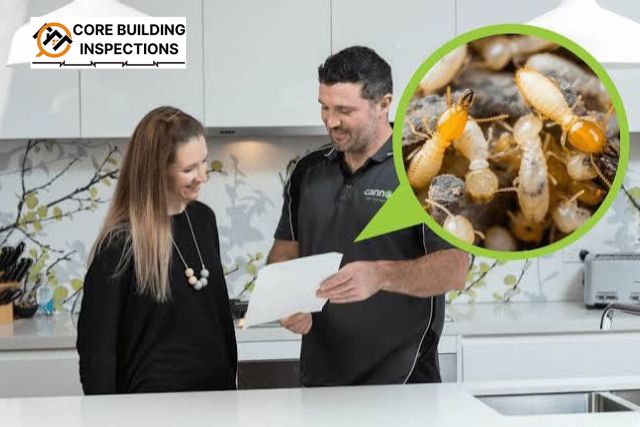
Purchasing a home or managing a commercial property is an extraordinary milestone, but it also carries heavy financial responsibilities. When walking through a property, it is incredibly easy to focus on surface aesthetics—the modern layout, the stone countertops, or the fresh coat of interior paint. However, what lies hidden beneath the floorboards, inside the wall cavities, and deep within the roof structure can tell a completely different story. In Victoria’s unique climate, timber pests are a silent, highly destructive threat that can compromise a building’s structural integrity long before any visible signs appear.
Because property deals move fast and standard home insurance policies completely exclude termite or pest destruction, identifying these hidden vulnerabilities falls entirely on you before settlement. Booking a professional assessment is your ultimate safety net. Understanding the hidden mechanics of wood-destroying insects and why specialized detection tools are mandatory ensures your hard-earned capital remains fully protected.
The Silent Threat of Subterranean Termites in Victoria
Among all the timber pests found across Australia, subterranean termites are by far the most aggressive and financially devastating. These insects live in highly organized underground colonies, sometimes numbering in the millions. They build mud tracking tubes to travel from their subterranean nests into residential homes, looking for cellulose-rich materials like structural timber wall studs, floor joists, and roof trusses. The true danger of termites is their ability to feed completely undetected. They hollow out the interiors of timber beams while leaving a paper-thin layer of paint or wood veneer perfectly intact on the outside. A home can look structurally sound during an open-house walk-through, even while its internal framing skeleton is being eaten away. Without a trained specialist checking the property, you could easily inherit an unstable building that requires tens of thousands of dollars in structural framing repairs.
Uncovering Concealed Damage Past the Surface
A general visual walkthrough by a buyer or an inexperienced inspector cannot uncover deep-seated pest activity. Wood-destroying insects naturally hide away from light and open air, meaning they stay deep inside dark, enclosed spaces like inaccessible subfloor voids, tight wall cavities, and remote corners of the roof platform. Furthermore, termites are not the only threat to your framing. Wood-boring beetles and fungal wood decay (commonly known as timber rot) are also major hazards. Wood rot softens structural timber bearers and joists, which weakens the building skeleton and creates an ideal environment for hungry termite colonies to invade. A professional assessment carefully reviews the entire structure to identify these biological threats, ensuring you don’t buy into an expensive, structural nightmare.
Navigating Local Environmental and Soil Risks
Different regions across Victoria present unique environmental challenges that impact how pests interact with properties. For instance, real estate buyers looking closely at the metropolitan market must navigate specific regional factors, which makes securing a comprehensive termite and pest inspection in victoria audit absolutely vital. Many northern and western suburbs feature highly reactive volcanic basalt clay soils, which retain significant moisture during wet winter periods. This high soil moisture, combined with poor perimeter drainage or leaking stormwater pipes, creates an ideal environment for subterranean termites. Conversely, older properties in the inner-city suburbs often feature traditional timber floor stumps that sit directly in damp earth, giving pests an easy, direct pathway straight into the subfloor framing. A local pest specialist knows these geographical red flags perfectly, allowing them to focus their search on the highest-risk zones of the allotment.
Advanced Diagnostic Tools Used by a Melbourne Building Inspector
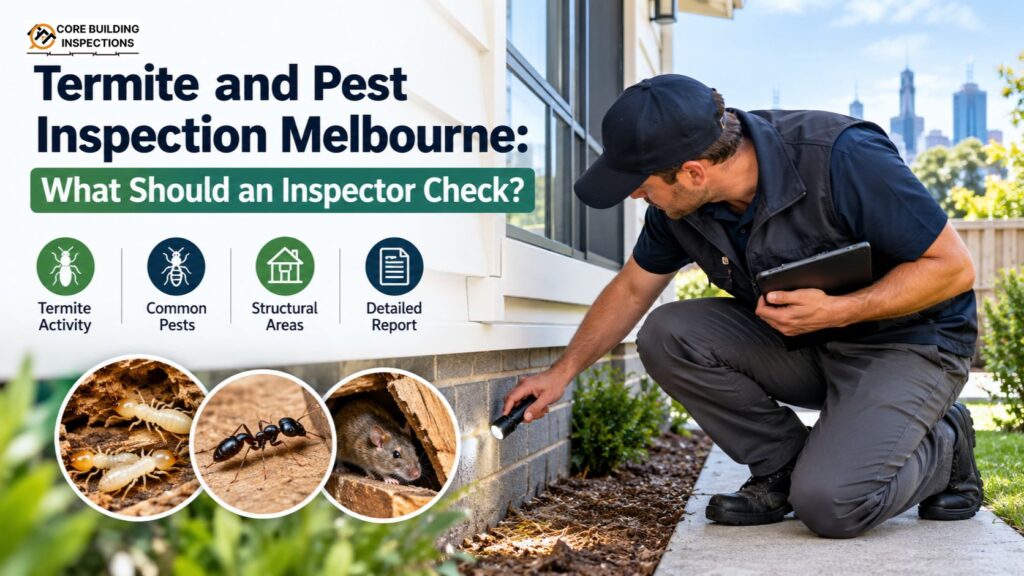
Modern pest detection requires far more than just a standard flashlight and a tapping stick. Today’s certified specialists deploy cutting-edge, non-destructive technology to map out pest activity behind solid plasterboard and tiled walls without causing any damage to the property. When a professional investigator steps onto a site, they bring a suite of specialized diagnostic equipment. High-sensitivity thermal imaging cameras detect subtle temperature differences caused by the moisture and heat generated by a concentrated termite nest hidden inside a wall void. Digital moisture meters trace hidden plumbing leaks or rising dampness, pinpointing the exact high-moisture zones that termites track down. Additionally, advanced acoustic detection tools allow technicians to listen for the distinct clicking sounds made by soldier termites deep within the timber framework, leaving absolutely zero blind spots.
Five Critical Areas Covered in a Comprehensive Pest Audit
A professional pest assessment methodically reviews five primary zones across the property to ensure every square meter is safe:
-
Internal Living Areas: Checking internal baseboards, door frames, window architraves, and plaster walls for rippling, blistering, or hollow spots that suggest pest activity.
-
The Roof Cavity Voids: Climbing inside the ceiling space to inspect the primary roof trusses, ceiling joists, and collar ties for structural borer damage or termite mudding.
-
Accessible Subfloor Crawlspaces: Dropping beneath the floorboards to examine supporting timber bearers, wood stumps, soil moisture levels, and localized subfloor ventilation blockages.
-
External Building Envelopes: Reviewing external timber fascias, brick veneer weep holes, window sills, and deck structures for active pest pathways.
-
The Surrounding Allotment: Checking backyard garden beds, old tree stumps, timber retaining walls, and boundary fences for active outdoor colonies that could easily migrate toward the main home.
Identifying Environmental Risk Factors That Invite Pests
A high-quality pest report does not just look for active insects; it also identifies environmental conditions that could attract pests to the property in the future. Prevention is always more affordable than treatment, and changing a few risk factors can save you from a major future infestation. Inspectors look closely for common property faults, such as garden mulch piled directly against brick weep holes, which gives termites a hidden entryway past your chemical barriers. They also document poor subfloor ventilation, leaking external garden taps, and unlinked hot water overflow lines that dump water right next to the foundations. Fixing these simple moisture issues removes the primary water sources that pests need to survive, making your home a much less attractive target.
Gaining Contractual Leverage for Price Negotiations
Investing in an independent, professional pest report provides immense financial and legal protection when you are finalizing a property contract. A comprehensive, photographic digital register serves as an unbiased mirror of the home’s actual condition, cutting through optimistic real estate marketing spin. When your conveyancer or solicitor is armed with an independent report detailing active pest colonies or structural timber rot, the balance of power shifts completely in your direction. You can use this evidence to negotiate a direct price reduction to cover the cost of professional pest eradication and structural repairs. Alternatively, you can include a special condition requiring the seller to completely treat the infestation and repair the framing via a licensed builder before settlement. If the damage is simply too widespread, selecting a dedicated Pest Inspection service melbourne option gives you the clear legal grounds needed to exit the contract entirely with your deposit fully intact.
Why Choose Core Building Inspections to Protect Your Asset
When you are preparing to invest your life savings into a property, you deserve a team that prioritizes accuracy, transparency, and consumer protection. Core Building Inspections stands out as Victoria’s premier name for independent property due diligence. Every single pest and structural audit we perform is handled by fully qualified construction practitioners officially registered with the Victorian Building Authority (VBA). We maintain absolute strategic independence from real estate networks, volume builders, and finance brokers, meaning we work strictly for you the buyer. We know the local real estate market moves fast, so our streamlined framework guarantees a rapid 24-hour turnaround. We deliver an itemized, clear plain-English report with high-resolution photography straight to your inbox within 24 hours of finishing our on-site physical survey, giving your legal team the clear evidence needed to negotiate with confidence.
Frequently Asked Questions
Q: What is the difference between a building check and a pest assessment?
A: A structural building check evaluates the construction quality, safety hazards, and stability of the home’s foundations, framing, and wet area waterproofing. A pest assessment is a separate, highly specialized biological review designed to locate subterranean termites, wood-boring beetles, timber rot, and active environmental conditions that attract wood-destroying insects to the building.
Q: Can a vendor hide active termite damage from an inspector?
A: While a seller might try to hide surface damage with fresh paint or strategically placed furniture, they cannot hide the hidden heat signatures, moisture profiles, or acoustic sounds of an active colony. Our advanced diagnostic tools—including thermal imaging cameras and electronic moisture sensors allow our inspectors to see past cosmetic concealment to find the facts.
Q: How long does a professional residential pest inspection take on-site?
A: For a standard three-to-four-bedroom family home, the on-site physical check takes between 1.5 to 2 hours to complete. This timeframe can vary slightly depending on the overall size of the allotment, the age of the building, and how accessible the roof cavity and subfloor spaces are.
Q: Should I trust a pest report provided directly by the selling agent?
A: No, it is highly recommended to arrange your own independent report. A report provided by the seller or real estate agent may carry an inherent conflict of interest or lack the necessary professional indemnity insurance protections that cover you as the buyer if a critical defect was missed.
Finalize Your Property Contract with Total Confidence
Do not leave the structural safety of your largest financial investment to visual guesswork or rushed open-house viewings. Ensure your new home is safe, sound, straight, and completely free of destructive timber pests before you buy. Secure your absolute peace of mind by booking your comprehensive property audit today with Core Building Inspections.