Same-Day Building and Pest Inspection Melbourne

Professional Pre-Purchase Building Inspection in Melbourne
July 15, 2026
Affordable Termite and Pest Inspection Melbourne
July 16, 2026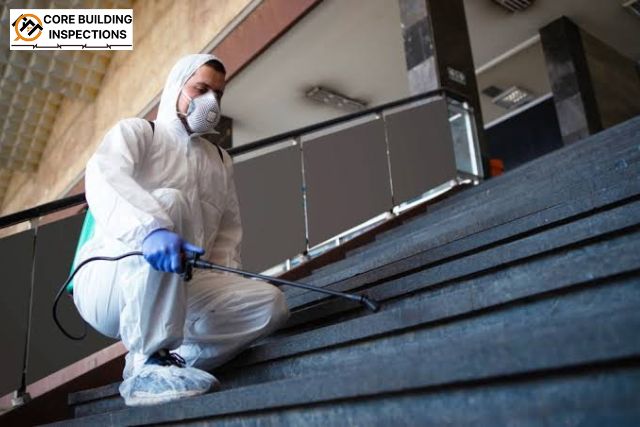
The fast-moving pace of the local real estate market places immense pressure on property buyers. Whether you are bidding at a weekend public auction, submitting an expression of interest, or trying to finalize a private sale in a high-demand suburb, timing is everything. Property listings often sell within days of hitting the market, leaving a very narrow window for due diligence. Amid this high-stress environment, many buyers feel tempted to cut corners or skip essential evaluations just to secure a deal. However, buying a home or commercial property is likely the largest financial commitment you will ever make. Rushing into a contract without verifying what lies beneath the surface is a massive gamble. What looks like a beautifully maintained residence on a Saturday morning open-house walk-through can easily mask thousands of dollars in hidden defects. When the market moves at lightning speed, you need an independent professional who can match that pace without sacrificing technical accuracy. Securing a rapid turnaround evaluation ensures you get the fast-tracked clarity needed to make a sound investment.
The Crucial Importance of Speed in Modern Real Estate
In real estate transactions, time is a high-stakes resource. When a desirable property hits the market, selling agents often push for quick, unconditional offers to create competition among buyers. If your contract includes a standard cooling-off period or a short finance and building clause, every hour counts. Waiting a week for a standard trade inspector to visit the site and file a report can mean completely missing out on the property. A rapid turnaround assessment gives you the immediate facts required to act confidently. Having a fully qualified specialist survey the site and outline major findings on the same day ensures you can participate in weekend auctions or sign private sale contracts with total peace of mind. You no longer have to choose between missing out on a great home or taking a massive financial risk on an unverified building.
What Lurks Hidden Past the Surface Visuals
It is a common mistake to assume that a building is structurally sound just because the visible walls look clean and square. Vendors and real estate styling agencies are experts at maximizing visual appeal while temporarily covering up structural flaws. Fresh coats of interior paint can easily hide severe structural cracking or active rising damp for months, while strategically placed rugs, large artwork pieces, or staged furniture can mask bowing timber floors and failed wet area waterproofing. A comprehensive assessment looks past these cosmetic surfaces. A qualified investigator focuses their attention on the critical structural areas that regular buyers never see or check. They drop beneath the floorboards to evaluate the subfloor framework, climb inside dark ceiling voids to check the roof trusses, and scan internal walls for deep-seated anomalies. This forensic approach ensures you don’t inherit severe, long-term building defects that could completely derail your financial future.
The Hidden Threat of Subterranean Termites and Timber Pests
Among all the hidden structural hazards a property can face, subterranean termites are by far the most aggressive and financially devastating. These highly organized wood-destroying insects live in massive underground colonies and track down cellulose-rich structural timbers, such as wall studs, floor bearers, and roof framing components. Because they build specialized mud tunnels to travel from damp soil into your home’s framework, they avoid open air and light, keeping their destructive feeding completely hidden out of sight. Termites systematically hollow out the interior core of structural timber elements while leaving a paper-thin outer layer of wood or paint completely intact. A house framework can be eaten away to the point of imminent structural collapse while still looking perfectly fine from the outside. Because standard home insurance policies completely exclude any form of termite or borer destruction, locating these pests early is essential. Utilizing a dedicated Pest Inspection service melbourne option ensures that active infestations or historical timber borer damage are caught before you legally commit to the asset.
Navigating Local Soil Volatility and Slab Heave
The geological layout across metropolitan Victoria presents unique construction challenges that demand localized field expertise. Large sections of the northern and western growth corridors sit on highly reactive volcanic basalt clay soils. This specific type of earth behaves like a giant sponge expanding significantly when saturated by heavy winter rains and shrinking sharply during hot, dry summer droughts. When soil moisture levels around a property’s foundations fluctuate unevenly, this constant ground movement places immense physical stress on concrete foundations and brickwork. This movement often triggers a severe structural issue known as slab heave, which warps concrete footings, jams doors, and creates major step-cracking through external brick veneer walls. A seasoned inspector who understands local soil profiles knows exactly how to trace the early indicators of reactive ground movement, checking site drainage pathways and foundation lines to ensure the home’s primary anchor remains stable.
Advanced Diagnostic Tools Used by the Experts
Modern building forensics requires far more than just a basic flashlight, a ladder, and a tapping stick. Today’s certified specialists deploy high-tech, non-destructive diagnostic equipment to see through solid building materials without causing any physical damage to the property.
-
Thermal Imaging Cameras: Maps subtle temperature differences behind plasterboard walls to locate hidden water leaks, failed wet area waterproofing, and active termite nests.
-
Digital Moisture Meters: Measures exact dampness levels within building materials to trace rising damp, leaking internal pipes, and conditions that invite wood rot.
-
Acoustic Termite Detectors: Listens for the specific, high-frequency clicking sounds made by soldier termites deep inside structural timber frames without altering the wood.
-
Electronic Laser Levels: Tracks precise floor levels across the entire internal footprint to instantly identify foundation drops, sinking stumps, or compromised concrete slabs.
The Five Crucial Zones Evaluated During a Structural Audit
A comprehensive property assessment methodically checks five primary zones to guarantee absolutely zero blind spots across the allotment:
-
The Structural Foundations & Subfloors: Dropping beneath the floor crawlspaces to verify the structural integrity of timber bearers, floor joists, concrete slabs, and traditional wood stumps, while evaluating subfloor ventilation airflow and ground moisture.
-
The External Building Envelope: Inspecting external brickwork, mortar joints, timber weatherboards, lintels, and external window casings for signs of movement, decay, or moisture penetration.
-
The Roof Infrastructure & Voids: Climbing directly inside the roof cavity to evaluate the stability of structural roof trusses, ceiling joists, collar ties, insulation layout, and signs of internal roof leaks.
-
The Internal Living Spaces: Conducting a meticulous room-by-room walkthrough to evaluate wall plumbness, floor levelness, door and window operation, plaster cracking, and wet area waterproofing integrity.
-
The Surrounding Allotment Assets: Reviewing external timber decks, pergolas, retaining walls, fencing lines, old tree stumps, and site drainage layout to catch active outdoor pest colonies or pooling water issues.
Turning Defect Discoveries into Negotiating Leverage
Receiving an independent, photographic building report does not just protect you from buying a bad property; it also gives you immense financial leverage during final price negotiations. A comprehensive register acts as an unbiased, factual mirror of the home’s actual condition, allowing you to bypass real estate marketing spin. If your comprehensive pre-purchase building and pest inspections audit uncovers major structural faults, active termite issues, or failed bathroom waterproofing, the power dynamic shifts completely in your direction. Your legal conveyancer or solicitor can use this objective report to negotiate a direct price reduction to cover the documented cost of professional remediation work. Alternatively, you can insert special conditions requiring the vendor to fully resolve the defects using a licensed builder before settlement occurs. If the structural damage is simply too widespread, the independent report provides the precise legal grounds required to cancel the contract and walk away with your deposit fully intact.
Fast-Track Your Certainty with Core Building Inspections
When the pressure is on and you need to move quickly to secure a property, you deserve a team that combines rapid service with uncompromised accuracy. Core Building Inspections is Victoria’s trusted choice for independent property due diligence. Every single residential and commercial audit we perform is handled by fully qualified construction practitioners officially registered with the Victorian Building Authority (VBA). We maintain complete independence from real estate networks, volume builders, and finance brokers, meaning we work strictly for you—the buyer. We know how fast the local market moves, which is why our streamlined framework guarantees a rapid 24-hour turnaround. We deliver a clear plain-English report with high-resolution digital photography straight to your inbox within 24 hours of finishing our on-site survey, giving you the facts you need to act with total confidence.
Frequently Asked Questions:
Q: Can an independent building inspection be performed on the same day as an auction?
While it is possible if arranged early, it is highly recommended to schedule the inspection 24 to 48 hours before the auction begins. This timeframe provides enough time for our VBA-registered inspectors to complete the on-site survey and delivers your comprehensive digital report well before the bidding starts.
Q: What happens if the vendor refuses to grant site access for a quick inspection?
If a seller or their listing agent refuses to grant access for an independent inspection, it should serve as a major red flag. Legitimate sellers are generally accommodating; a refusal often suggests they may be trying to conceal a known structural defect or active pest issue.
Q: Are outbuildings like garages and garden sheds included in the fast turnaround report?
Yes. Our comprehensive audits methodically cover the entire allotment footprint. This process includes checking detached garages, carports, freestanding garden sheds, timber retaining walls, and boundary fencing lines for active structural defects or pest colonies.
Q: How long does the physical on-site survey take for a standard family home?
For a standard three-to-four-bedroom brick veneer or weatherboard family home, our registered inspectors spend approximately 1.5 to 2 hours completing the thorough physical walkthrough of all accessible internal and external zones.
Finalize Your Property Choice with Complete Certainty
Do not leave the structural stability and financial safety of your primary investment to guesswork, quick open-house viewings, or rushed decisions. Ensure your future home or investment property is straight, sound, dry, and completely free of hidden pest damage before you sign on the dotted line. Secure your complete peace of mind by booking your independent property audit today with Core Building Inspections.