9 Things to Know About Building Inspections in Melbourne

7 Benefits of Getting a Victoria Pre-Purchase House Inspection
July 22, 2026
Termite and Pest Inspection in Victoria: Why It Matters
July 28, 2026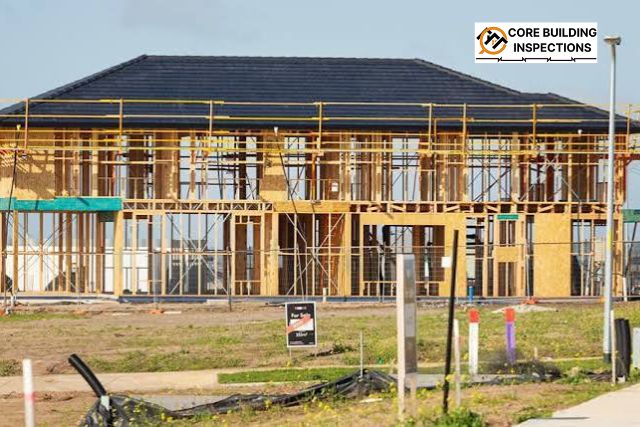
Buying, building, or renovating a property in Melbourne is one of the most significant financial steps you will ever take. Whether you are bidding under the hammer at a Saturday auction in the inner east or signing a construction contract in a booming western growth corridor, the Victorian real estate market moves fast. Amidst the excitement of floor plans, location advantages, and interior staging, it is easy to overlook the true physical condition of a building. A property might look immaculate on the surface, but beneath fresh paint and modern styling could lie costly structural faults, active timber pest damage, or non-compliant trade work. To help you navigate your property journey safely, here are nine crucial things every buyer, builder, and investor must know about property evaluations in Victoria.
1. Cosmetic Staging Can Hide Severe Structural Liabilities
When attending an open home, remember that professional staging is designed to appeal to your emotions. Fresh coats of paint, strategic furniture placement, and new light fixtures can easily disguise major building issues that require urgent attention. Hairline plaster cracks can be patched hours before an open inspection, covering up foundation settlement or active slab movement. Similarly, freshly painted window frames might hide rotted timber, and strategically placed rugs can cover warped, unlevel floorboards caused by failing subfloor stumps. A professional evaluation looks beyond aesthetics to thoroughly examine the structural skeleton of the building.
2. Auctions in Victoria Are Unconditional—Timing Is Everything
If you plan to buy a property at an auction in Victoria, you must complete all due diligence before auction day. Under Section 31 of the Sale of Land Act, auction purchases carry no statutory cooling-off period. Once the gavel falls and you sign the contract, the sale is completely unconditional. You cannot insert a “subject to building and pest inspection” clause into an auction contract after winning the bid. Booking an independent audit one to two weeks prior to auction day gives you the necessary time to digest the findings, estimate potential repair costs with tradespeople, and adjust your maximum bidding limit accordingly.
3. Soil Conditions in Melbourne Play a Massive Role in Structural Health
Melbourne’s geographical landscape features highly reactive soil profiles, particularly the volcanic clay soils prominent across the northern and western suburbs. Reactive clay expands significantly when wet and contracts when dry. In contrast, sandy soils in coastal and south-eastern areas carry different drainage and subfloor risks. This continuous soil movement puts immense pressure on concrete slabs and timber footings, frequently leading to a condition known as slab heave or foundation settlement. During a physical review, an inspector checks site drainage pathways, perimeter soil grading, and masonry brickwork step-cracking to ensure soil movement has not compromised the home’s overall stability.
4. Timber Pests Cause Millions in Uninsured Damage
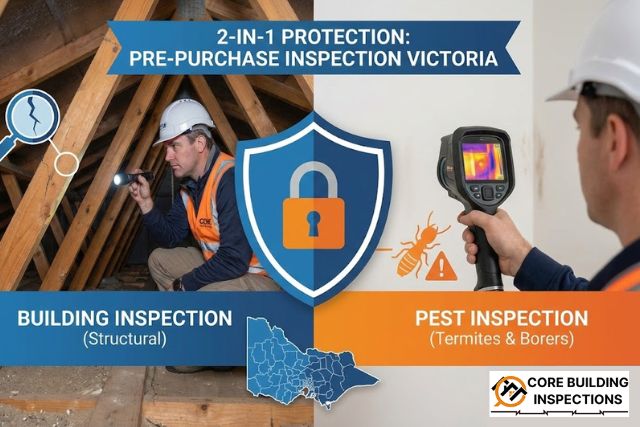
Subterranean termites are widespread throughout Victoria, particularly in areas bounded by nature reserves, parkland, and mature tree corridors. Termites feed silently on structural timber framing from the inside out, often leaving the surface paint intact. Standard home insurance policies across Australia do not cover termite damage. Uncovering active subterranean termite activity, historical frame destruction, or conducive risk factors such as poor subfloor ventilation or wood-to-soil contact requires specialized diagnostic tools like thermal imaging cameras and acoustic tapping equipment.
5. Pre-Plaster Audits Are Critical for New Builds
If you are building a new home, do not assume that new construction equals zero defects. Fast trade turnarounds and tight builder timelines mean that framing errors and trade oversights frequently happen. The pre-plaster stage is the single most critical moment during a new build. This is when the home is fully enclosed, and plumbing, electrical, and HVAC rough-ins are installed, but plasterboard sheets have not yet been screwed to the studs. Once plaster goes up, load-bearing studs, cut bracing straps, and unclipped plumbing pipes are sealed away forever. Catching framing defects during an open-wall audit takes minutes to fix compared to tearing down completed drywall later.
6. Water Ingress Is the Leading Cause of Building Disputes
Water is a building’s worst enemy. Ingress from failed bathroom waterproofing, poor roof flashing, or bad site drainage causes timber rot, structural degradation, and toxic mold growth within living zones. In wet areas like bathrooms and laundries, waterproofing membranes must be completely seamless and compliant with Australian Standard AS 3740. Qualified inspectors deploy high-sensitivity electronic moisture meters to test behind shower wall tiles and around bath hobs, catching concealed moisture leaks long before damp spots or mold appear on adjoining plaster walls.
7. You Need a VBA-Registered Inspector for Legal Weight
Not all inspection services offer the same standard of expertise. In Victoria, anyone can buy a moisture meter and claim to be a building evaluator, but an unaccredited report carries little to no legal leverage when negotiating with volume builders or real estate agents. Always ensure your site audit is conducted by a practitioner registered with the Victorian Building Authority (VBA). Reports completed by VBA-registered professionals adhere strictly to Australian Standards (AS 4349.1 for building and AS 4349.3 for timber pests), ensuring the document holds full weight during contractual disputes or price renegotiations. Engaging a licensed Melbourne Building Inspector ensures your property audit meets every statutory requirement.
8. Reports Provide Fact-Based Bargaining Power
An independent building report is not just a list of problems it is a powerful financial and legal tool. When you receive a detailed digital document featuring high-resolution photos and plain-English explanations of structural faults, the balance of power shifts in your favor. With documented evidence, your conveyancer or legal representative can request a direct purchase price reduction to cover estimated remediation costs. You can also require the vendor to rectify specific structural defects using licensed trades prior to final settlement, or gain legal grounds to terminate a contract if major structural failure is detected under a subject-to-inspection clause.
9. Independent Advocacy Protects Your Life Savings
Real estate agents work strictly for the seller, and site supervisors work directly for the volume builder. As a buyer or investor, you need an independent advocate in your corner whose sole objective is to protect your financial interests. When searching for trusted building inspectors in melbourne, independence is paramount. Independent specialists do not take kickbacks from selling agencies or volume developers, giving you 100% objective, transparent guidance on the real physical condition of the property.
Secure Your Property Investment with Core Building Inspections
Navigating the Victorian property market requires complete clarity and technical accuracy. Whether you are purchasing an established family home, bidding at an auction, or managing stage payments for a new build, having registered professionals on site protects your equity from hidden structural traps. When you need an uncompromising, thorough evaluation, Core Building Inspections delivers the expert oversight you require. Their team of VBA-registered building practitioners utilizes advanced diagnostic equipment including non-invasive thermal imaging cameras and electronic moisture sensors to evaluate every accessible layer of your allotment, from subfloor crawlspaces to roof cavities. With a commitment to clear communication, complete independence, and rapid 24-hour digital report delivery, you get the actionable facts needed to negotiate with total confidence.
Frequently Asked Questions:
Q: How long does a standard building inspection take on site?
A: For a typical three-to-four-bedroom home, a comprehensive physical assessment takes between 1.5 and 2.5 hours. The duration depends on the property’s overall size, structural age, site accessibility, and subfloor or roof cavity conditions.
Q: What is the difference between a building surveyor and an independent inspector?
A: A building surveyor is responsible for issuing statutory building permits and verifying minimum regulatory compliance under the Building Act. An independent building inspector works directly for you to conduct a detailed, room-by-room quality assurance check, identifying structural faults, trade oversights, and maintenance liabilities.
Q: Can I attend the inspection while the inspector is on site?
A: Yes, most independent specialists welcome buyers or owners on site toward the end of the assessment. This allows the inspector to walk you through key findings in person, explain defect severities, and answer any specific questions before releasing the final written report.
Q: What happens if major defects are found in the report?
A: If major structural defects or active pest infestations are identified, you can use the detailed report to negotiate a price reduction, request that the vendor rectify issues before settlement, or walk away from the contract if your agreement includes a building inspection clause.