Termite and Pest Inspection in Melbourne: 7 Problems Buyers Should Know

Complete Building and Pest Inspection in Melbourne
November 12, 2026
Best Home Inspections in Melbourne for Safer Property Investments
November 13, 2026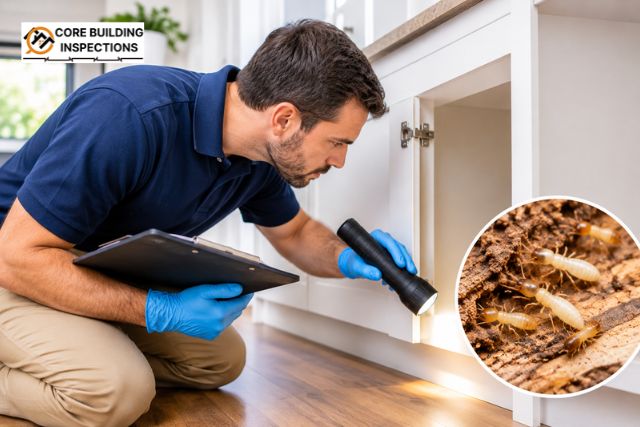
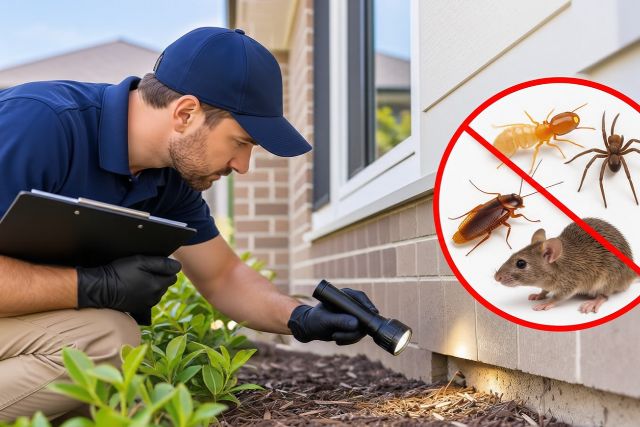
Purchasing a residential property across Greater Melbourne is an exciting milestone, yet unseen biological threats can quickly turn an appealing home into an expensive structural liability. Beneath fresh coats of paint, manicured garden beds, and contemporary renovations, subterranean termites, wood-boring beetles, and fungal decay can compromise load-bearing timbers without leaving obvious surface clues. Booking a dedicated termite and pest inspection Melbourne assessment before signing an unconditional contract gives buyers the technical clarity required to protect their investment. Because standard Australian homeowner insurance policies exclude damage caused by subterranean termites and timber rot, any undiscovered infestation becomes the sole financial responsibility of the buyer once settlement occurs. Engaging an independent, certified Pest Inspection service Melbourne ensures that every accessible area of the dwelling is evaluated in strict accordance with Australian Standards AS 4349.3 and AS 3660.2. Understanding the seven most common pest and moisture problems uncovered during Victorian property audits helps buyers recognize why thorough pre-purchase due diligence is essential.
1. Concealed Subterranean Termite Colonies
Subterranean termites most notably Coptotermes frenchi, Coptotermes acinaciformis, and Schedorhinotermes are active throughout metropolitan Melbourne and regional Victoria. These colonies build underground nests or colonize mature tree roots, tunneling extensively through damp soil to forage for cellulose inside residential framing. Because subterranean termites eat timber from the inside out, they leave behind a thin, intact outer layer of wood grain or paintwork. By the time surface paint begins to blister or floorboards start to sag, internal wall studs, roof trusses, and subfloor bearers may already require major structural replacement. Inspectors rely on acoustic sounding tools, high-resolution thermal imaging cameras, and electronic moisture meters to detect hidden nests behind plasterboard and bathroom tiles without causing surface damage.
2. Bridged or Breached Termite Management Barriers
Modern Victorian homes and renovated properties rely on physical barriers (such as stainless steel mesh or composite sheeting) or chemical soil treatments around the building perimeter to deter subterranean termites. However, these protective systems are frequently compromised over time by routine landscaping and exterior home improvements. When homeowners build timber decks directly against exterior brickwork, install garden beds over concrete slab edges, or lay synthetic turf above weep holes, they create concealed entry bridges. Termites use these bridged zones to bypass barriers and enter internal wall cavities completely undetected. During an audit, the inspector verifies the termite management notice inside the electrical meter box and checks the entire building perimeter to confirm that a continuous, unobstructed 75-millimeter visual inspection zone remains intact.
3. Subfloor Dampness and Inadequate Cross-Flow Ventilation
Established Melbourne suburbs feature thousands of classic Victorian weatherboard and mid-century brick-veneer homes constructed over suspended timber floors. While durable when kept dry, subfloor timber framing deteriorates rapidly when ground moisture becomes trapped beneath the dwelling. Blocked brick air vents, poorly graded external soil that directs rainwater under the house, and leaking subfloor plumbing pipes create high-humidity microclimates. Elevated subfloor dampness attracts foraging termites and accelerates fungal decay. A thorough subfloor crawlspace examination evaluates ground moisture levels, cross-flow ventilation pathways, and the structural soundness of timber stumps, bearers, and floor joists.
4. Leaking Wet Areas and Failed Waterproofing Membranes
Bathrooms, ensuites, laundries, and kitchens represent primary internal attraction zones for timber pests. Because subterranean termites require constant moisture to survive and prevent dehydration, even a minor, slow-leaking shower tray or unsealed vanity splashback can draw foraging colonies directly into internal timber wall framing. Visual walk-throughs rarely detect early-stage waterproofing failures behind tiled shower recesses. Using non-invasive electronic moisture meters and infrared thermal cameras, a qualified auditor maps hidden moisture reservoirs inside wall cavities, allowing buyers to address plumbing repairs before termites colonize the damp framing.
5. Fungal Decay (Wood Rot) in Structural and Exterior Timbers
Fungal decay commonly referred to as wood rot is a wood-destroying fungus that breaks down the structural cellulose and lignin within damp timber. Unlike termites, wood rot does not require an underground nest; it develops wherever timber remains exposed to persistent moisture and poor airflow. Inspectors routinely discover advanced fungal decay in exterior weatherboards, veranda posts, fascia boards, window sills, and subfloor joists. Aside from weakening load-bearing timbers on its own, softened, decaying wood emits chemical signals that actively attract subterranean termites to the property.
6. Wood-Boring Beetle Activity (Anobiid and Lyctid Borers)
In addition to termites and fungal rot, Victorian properties can suffer damage from wood-boring beetles, primarily the Furniture Beetle (Anobium punctatum) and the Powderpost Borer (Lyctus brunneus). Female beetles lay eggs inside timber cracks, and the developing larvae tunnel through the wood for years before emerging through small circular exit holes. Auditors inspect aged softwood floorboards, subfloor joists, and roof cavity rafters for telltale 1-to-2-millimeter flight holes and fine, powdery frass. While Lyctid borers generally confine their damage to the sapwood of certain hardwoods, extensive Anobiid borer infestations in damp subfloors can severely compromise the structural integrity of flooring timbers over time.
7. High-Risk Conducive Conditions in the Surrounding Yard
A comprehensive termite and pest inspection in victoria evaluates not only the dwelling itself, but also the surrounding allotment within thirty meters of the main structure. Many properties harbor external environmental conditions that invite subterranean pests onto the site:
-
Timber-to-Ground Contact: Untreated timber retaining walls, garden sleepers, and fence palings buried directly in soil provide immediate food sources close to the home.
-
Dead Tree Stumps and Mature Eucalypts: Rotting tree stumps and hollow trunks of large native trees frequently house primary subterranean termite colonies.
-
Improper Storage and Mulch: Firewood stacked directly against exterior walls and thick layers of moisture-retaining woodchip mulch laid against brickwork encourage termites to forage up to the building perimeter.
How Core Building Inspections Protects Melbourne Buyers
Uncovering any of these seven issues prior to settlement gives property buyers powerful legal and financial leverage. With documented photographic evidence compliant with Australian Standard AS 4349.3, buyers can negotiate purchase price reductions, require vendors to fund professional eradication and barrier installations, or exit high-risk contracts safely under building and pest contingency clauses. For thorough, independent timber pest and structural evaluations across Greater Melbourne and regional Victoria, Core Building Inspections delivers complete peace of mind. Their VBA-registered, fully insured inspectors include high-resolution thermal imaging and electronic moisture diagnostics on every audit at no extra cost. Delivering detailed, easy-to-read digital reports within 24 hours paired with direct phone consultations with your attending auditor Core Building Inspections ensures you enter property settlement with absolute clarity.
Frequently Asked Questions:
Q: How long does a termite and pest inspection take on site?
A thorough timber pest inspection for a standard three-to-four-bedroom Melbourne property typically takes between 1 and 2 hours, depending on property size, subfloor accessibility, and external yard conditions.
Q: Can an inspector detect termites hidden behind tiled bathroom walls?
Yes. While standard inspections under AS 4349.3 are non-invasive, certified auditors use infrared thermal imaging cameras and deep-penetrating moisture meters to identify temperature differentials and hidden moisture pockets caused by active termite colonies behind tiles.
Q: What is the difference between a building inspection and a timber pest inspection?
A pre-purchase building inspection (AS 4349.1) evaluates structural integrity, workmanship, and general safety hazards, whereas a timber pest inspection (AS 4349.3) specifically targets subterranean termites, wood borers, and fungal decay. Booking a combined building and pest inspection ensures both areas are assessed simultaneously.
Q: How often should a Melbourne home be inspected for termites after purchase?
Australian Standard AS 3660.2 recommends scheduling a professional timber pest inspection at least once every 12 months, or every 6 months for homes located in high-risk treed areas or properties with high subfloor moisture.