Expert Pre-purchase pest inspection Victoria for Termite Detection

Why a Pre Purchase Building Inspection Matters Before Settlement
November 11, 2026
Complete Building and Pest Inspection in Melbourne
November 12, 2026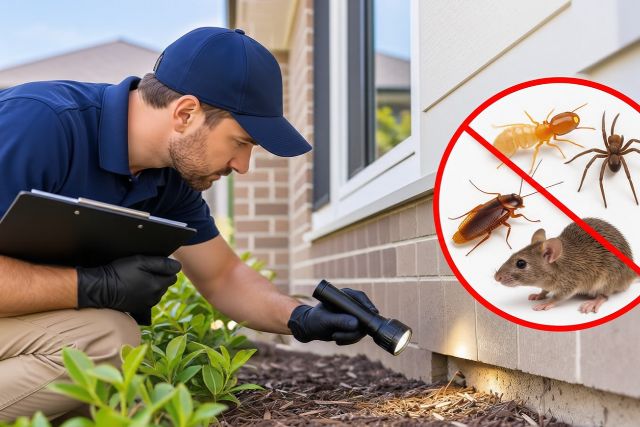
Acquiring a residential or commercial property across Victoria represents a major financial milestone, yet unseen timber-destroying organisms can quietly undermine a building’s structural integrity long before visible warning signs appear. Subterranean termites, wood-boring beetles, and fungal decay thrive behind plasterboard walls, beneath suspended floors, and inside roof voids without disturbing surface paintwork. Scheduling an independent termite and pest inspection in victoria ensures that prospective buyers uncover hidden infestations, historical pest damage, and high-risk environmental conditions before real estate contracts become unconditional. Because standard Australian building insurance policies exclude damage caused by subterranean termites and timber rot, undiscovered infestations become the sole financial responsibility of the new homeowner after settlement. Engaging an experienced Pest Inspection service melbourne provides the objective diagnostic evidence required to protect your investment, negotiate repair terms, or walk away from high-liability properties.
Why Termite Detection is Critical for Victorian Properties
Victoria’s climate creates favorable environmental conditions for subterranean termite colonies, particularly Coptotermes frenchi, Coptotermes acinaciformis, and Schedorhinotermes. These subterranean species establish underground nests or colonize mature tree roots, tunneling extensively through damp soil to feed on structural cellulose framing. Unlike superficial household pests, subterranean termites consume timber from the inside out, leaving an intact outer veneer of paint or wood grain. By the time sagging floorboards, hollow-sounding skirting boards, or bubbling paint become noticeable to the untrained eye, load-bearing stumps, bearers, and wall studs may already require extensive structural replacement.
What a Certified Timber Pest Inspection Covers
A thorough timber pest evaluation operates in strict compliance with Australian Standard AS 4349.3, governing non-invasive visual and diagnostic inspections across every accessible zone of the property.
1. External Grounds and Allotment Boundaries
The inspection begins at the property perimeter, where subterranean pests typically establish initial foraging pathways. Auditors inspect timber boundary fencing, treated pine retaining walls, garden sleepers, firewood stacks, and mature tree trunks within thirty meters of the main dwelling for active mud leads, hollow timber galleries, and fungal wood rot.
2. Building Perimeter and Termite Management Systems
Inspectors examine concrete slab edges, brickwork weep holes, and subfloor ventilation grilles to ensure an unobstructed visual inspection zone exists around the dwelling. They also verify existing termite protection notices inside meter boxes to check whether chemical soil barriers or physical stainless-steel mesh systems remain intact and within their active service life.
3. Subfloor Crawlspaces and Foundations
For properties constructed on suspended timber floors, accessing the subfloor space is essential. Auditors examine red gum or concrete stumps, timber bearers, floor joists, and galvanized ant capping for mud tracking tubes, moisture accumulation, and inadequate cross-flow ventilation.
4. Internal Living Spaces and Wet Areas
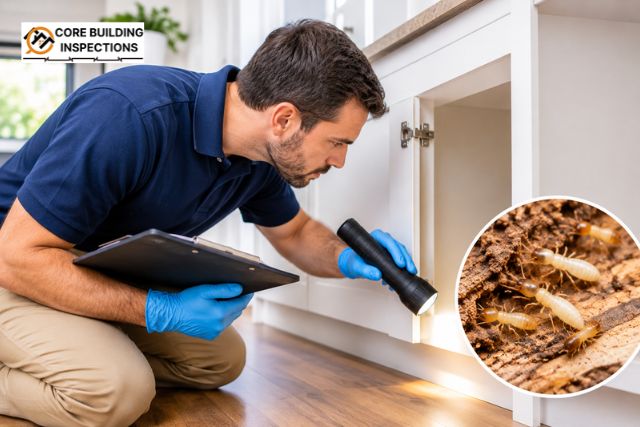
Inside the home, auditors systematically inspect skirting boards, door jambs, window architraves, and staircases. Bathrooms, ensuites, laundries, and kitchens receive heightened scrutiny, as leaking shower trays and damp wall cavities provide the moisture required for subterranean termites to survive indoors.
5. Roof Cavity and Attic Framing
Entering the ceiling cavity allows the inspector to examine rafters, trusses, purlins, and ceiling joists for structural timber borers, historical termite mud workings, and roof leaks that promote fungal decay.
Advanced Diagnostic Tools for Non-Invasive Detection
Because standard inspections prohibit cutting into walls or lifting fixed floor coverings, certified auditors rely on specialized diagnostic equipment to detect concealed pest activity:
-
Infrared Thermal Imaging Cameras: Detect subtle surface temperature differentials caused by the concentrated heat mass of active termite nests or trapped wall-cavity moisture behind plaster and tiles.
-
Electronic Moisture Meters: Pinpoint elevated moisture pockets inside internal wall studs and wet-area linings that attract foraging pests.
-
Acoustic Timber Sounding Tools: Identify hollowed-out internal chambers when tapping skirting boards, architraves, and structural framing.
Booking a comprehensive termite and pest inspection Melbourne service that integrates thermal imaging and moisture diagnostics ensures concealed colonies are identified without damaging finished surfaces.
Leveraging Your Pest Inspection Report Before Settlement
Receiving an AS 4349.3 photographic report equips buyers with clear, documented evidence prior to final settlement. If active termites, borer damage, or conducive moisture hazards are uncovered, buyers can:
-
Negotiate Price Adjustments: Use documented remediation and structural repair estimates to request a reduction on the agreed purchase price.
-
Require Vendor Rectification: Stipulate that the seller engages licensed pest management specialists to eradicate active colonies and install compliant termite barriers before settlement.
-
Exercise Contractual Contingencies: Utilize “subject to building and pest inspection” clauses to exit the contract legally without forfeiting your deposit.
Partnering with Core Building Inspections
To safeguard your property purchase across Greater Melbourne and regional Victoria, Core Building Inspections delivers thorough, independent pre-purchase timber pest evaluations compliant with Australian Standards AS 4349.3 and AS 3660.2. Their VBA-registered, fully insured inspectors use high-resolution thermal imaging cameras and precision moisture meters on every audit at no extra cost. Core Building Inspections provides detailed digital photographic reports within 24 hours of completing the site inspection, backed by a direct post-inspection phone consultation with your attending auditor. By translating complex technical findings into clear, plain-English recommendations, Core Building Inspections ensures you move toward settlement with complete peace of mind.
Frequently Asked Questions:
Q: How long does a pre-purchase timber pest inspection take?
A comprehensive timber pest inspection for an average three-to-four-bedroom property typically takes between 1 and 2 hours, depending on property size, subfloor clearance, and external yard complexity.
Q: Does a standard pre-purchase building inspection include termite detection?
No. A standard building inspection under AS 4349.1 evaluates structural integrity and building workmanship, whereas timber pest detection requires a separate, specialized evaluation under AS 4349.3. Booking a combined building and pest audit ensures both are covered simultaneously.
Q: Can termites be detected if they are hidden behind tiled bathroom walls?
Yes. Non-invasive infrared thermal imaging cameras and deep-penetrating electronic moisture meters allow inspectors to detect thermal anomalies and moisture reservoirs behind tiled surfaces without removing tiles.
Q: How often should Victorian properties be inspected for termites after purchase?
Australian Standard AS 3660.2 recommends scheduling a professional timber pest inspection at least once every 12 months, or every 6 months for homes located in high-risk bushland areas or properties with high subfloor moisture.