Building Inspections in Melbourne: A Smart Step Before Buying a Home

Top 8 Termite and Pest Inspection Services In Melbourne
August 12, 2026
What Does a Pre-Buy Home Inspection in Melbourne Cover?
August 20, 2026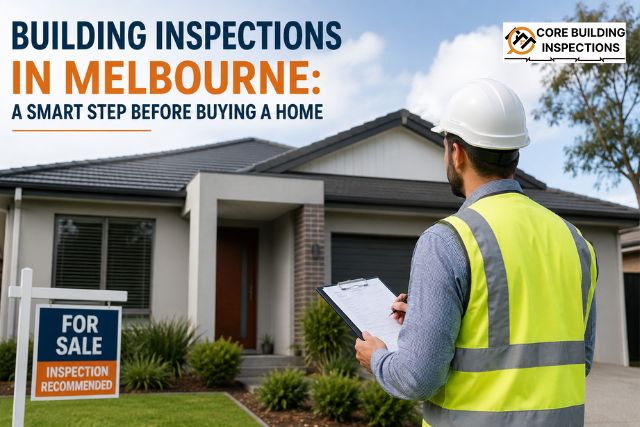
Purchasing a property in Victoria is one of the most exciting financial journeys you will ever take, whether you are securing a family residence in the leafy eastern suburbs, an inner-city apartment, or a character-filled period home. However, navigating the competitive Victorian property market requires sharp due diligence. Real estate marketing and professional home staging often mask severe underlying structural defects, plumbing leaks, and unpermitted building modifications that the untrained eye simply cannot see during a ten-minute open house. Engaging a reputable Building Inspection Company Melbourne buyers rely on before making an unconditional offer is your single best defense against walking into a financial money pit. Taking this proactive step gives you the objective facts and clarity needed to protect your hard-earned life savings.
The True Value of Pre-Purchase Due Diligence
Victoria operates strictly under the legal principle of caveat emptor, commonly known as let the buyer beware. This means the responsibility falls entirely on the purchaser to uncover any structural flaws, safety hazards, or maintenance defects before the contract becomes binding. Once settlement occurs and the keys are in your hand, you inherit every defect within the property, along with the full financial burden of fixing it. An independent building evaluation provides a complete, unbiased health check of the property. Rather than relying on optimistic sales descriptions or vendor assurances, a comprehensive assessment strips away cosmetic presentation to reveal the true structural integrity of the home. This gives you the knowledge to budget accurately for upcoming maintenance or step away from high-risk properties before it is too late.
Critical Structural Components Evaluated On-Site
A professional assessment involves a room-by-room, systematic review of the entire allotment. A qualified melbourne building inspector examines every accessible structural element and safety feature to ensure the home complies with Australian Standards (AS 4349.1), including:
Subfloor Framing and Foundation Footings
For homes built on brick piers or timber stumps, the subfloor is the backbone of the structure. Inspectors crawl beneath the home to examine stumps for timber rot, concrete spalling, foundation settlement, and inadequate ground ventilation that encourages dampness and structural decay.
Roof Cavities, Trusses, and Flashings
Climbing into the roof void allows the inspector to review structural roof trusses, ceiling joists, insulation coverage, and evidence of water penetration. On the outside, roof tiles, metal roof sheets, valley gutters, and parapet flashings are evaluated for cracked mortar, rust, and drainage blockages that cause interior leaks.
Interior Living Spaces and Wet Areas
Inspectors systematically evaluate all interior rooms, checking for wall plaster cracking, uneven floors, door jamming, and out-of-plumb walls. In wet areas like bathrooms and laundries, non-invasive electronic moisture meters and thermal imaging cameras are deployed to detect concealed leaks behind wall tiles and around shower trays.
External Cladding and Site Drainage
Exterior brickwork is checked for diagonal step-cracking, mortar deterioration, and blocked perimeter weep holes. The inspector also checks boundary fencing, retaining walls, paved walkways, and ground slopes to ensure rainwater drains away from the building footings rather than pooling against them.
The Role of Advanced Diagnostic Equipment
Modern property auditing extends far beyond simple visual walk-throughs. Leading diagnostic professionals utilize specialized, non-destructive testing tools to identify hidden issues without damaging paint, plaster, or structural finishes. High-resolution thermal imaging cameras detect subtle temperature differences across walls and ceilings, highlighting hidden plumbing leaks, moisture ingress, and missing insulation batts. Electronic moisture meters verify timber moisture levels behind bathroom walls, while laser levels accurately measure foundation settlement and floor deflection. Partnering with a dedicated trusted building inspectors in Melbourne homeowners trust guarantees that your site review leverages these cutting-edge diagnostic tools for thorough, evidence-based reporting.
Leveraging Inspection Reports for Price Negotiations
A comprehensive pre-purchase building report is far more than just a list of faults it is a powerful legal and financial tool. If your purchase contract includes a standard subject to building inspection clause, discovering major structural defects provides crucial negotiation leverage.
With a detailed, photographic report in hand, you can:
-
Request that the vendor rectify critical structural defects or safety hazards at their own expense prior to settlement.
-
Negotiate a direct purchase price reduction to reflect the estimated cost of required structural repairs.
-
Terminate the contract legally without penalty and have your complete deposit returned if major structural damage or safety risks exceed acceptable thresholds.
Choosing the Right Assessment Partner
The quality of your pre-purchase evaluation depends entirely on the technical skill and independence of the professional you hire. When selecting an assessment provider in Victoria, always verify that:
-
Inspectors Are VBA-Registered: Ensure the inspector is registered with the Victorian Building Authority and carries comprehensive Professional Indemnity and Public Liability insurance.
-
Reports Meet Australian Standards: Verify that the inspection complies strictly with AS 4349.1 (Pre-purchase inspections – Residential buildings).
-
The Company Is Fully Independent: Choose an independent firm that works exclusively in your best interest, with no financial ties to real estate agencies or volume builders.
-
Turnaround Times Are Fast: In fast-moving real estate markets, receiving a plain-English photographic report within 24 hours of site access is critical for meeting cooling-off deadlines.
Secure Your Property Investment Today
Purchasing a property should be an exciting step forward, not a source of sleepless nights and unexpected repair bills. Investing in independent Building Inspections in Melbourne equips you with the facts, confidence, and leverage required to make a secure property investment for your future.
Frequently Asked Questions:
Q: How long does a pre-purchase building inspection take?
For an average three-to-four-bedroom residential home in Victoria, an on-site evaluation typically takes between 1.5 to 2.5 hours. The duration depends on the overall size, age, structural layout, and accessibility to roof voids and subfloor crawlspaces.
Q: Can I attend the building inspection in person?
Yes, buyers are generally welcome to attend, particularly toward the end of the site visit. This gives the inspector time to complete their systematic checks uninterrupted, followed by an on-site walkthrough to explain key findings in person.
Q: What is the difference between a major defect and a minor defect?
A major defect is a structural failure or significant safety hazard that requires substantial rectification to prevent further deterioration or danger (such as cracked foundations or failing load-bearing walls). A minor defect refers to general wear and tear, cosmetic blemishes, or routine maintenance items (such as sticking doors or minor paint flaws).
Q: How quickly will I receive the final inspection report?
Most professional inspection firms deliver a comprehensive digital report with high-resolution photography and plain-English recommendations within 24 hours of completing the physical site audit.