Why Choose Affordable Building Inspection Services in Footscray

Top Building and Pest Inspection Melbourne Services
November 16, 2026
Pre-Purchase Building Inspection in Altona North
November 16, 2026
Footscray has transformed over the past decade into one of inner-west Melbourne’s most dynamic, sought-after property hubs. Located just five kilometres west of the Melbourne CBD along the Maribyrnong River, the suburb offers an eclectic mix of architectural styles—ranging from 19th-century Victorian worker cottages and Edwardian timber homes to mid-century brick veneers, converted industrial warehouses, and high-rise residential apartments. While this diversity attracts first-home buyers, growing families, and seasoned investors alike, it also creates complex structural due diligence challenges. Choosing Affordable Building Inspection Services in Footscray allows buyers to uncover hidden property liabilities early without inflating upfront acquisition costs.
In Victoria’s competitive inner-west property market, emotions run high during weekend auctions and fast-moving private negotiations. Once a contract becomes unconditional and settlement passes, any undiscovered structural faults, drainage failures, or active termite infestations become the buyer’s sole financial burden. Working with qualified local professionals ensures you gain complete factual clarity on a property’s physical condition while keeping your pre-purchase budget intact.
Understanding Footscray’s Unique Building Stock and Soil Conditions
A generic property walk-through rarely catches issues specific to Melbourne’s inner west. Footscray’s housing landscape presents distinct construction characteristics and geological challenges that require local inspection expertise:
-
Victorian and Edwardian Timber Cottages: Many period homes near Barkly Street, Nicholson Street, and Footscray Park sit on ageing red gum or timber stumps. Over decades, soil movement and ground moisture cause timber stumps to rot, sink, or lean, leading to uneven floors, jammed doors, and cracked internal lath-and-plaster walls.
-
Post-War Brick Veneer Dwellings: Mid-century homes built across the suburb frequently feature original terracotta roof tiles with degraded ridge capping mortar, rusted galvanised stormwater pipes, and outdated wet-area waterproofing that fails silently behind bathroom tiles.
-
Modern Townhouses and High-Density Apartments: Newer infill developments and riverfront apartment complexes require careful scrutiny for balcony membrane leaks, non-compliant balustrade heights, external cladding integrity, and rushed finishing workmanship.
-
Maribyrnong River Proximity and Reactive Soils: Footscray sits across a transition zone of alluvial river sediments and reactive volcanic basalt clay. Seasonal moisture shifts cause ground expansion and contraction, placing continuous stress on concrete slabs, strip footings, and exterior brickwork.
Booking a dedicated Pre-Purchase Building Inspection in Footscray ensures your inspector evaluates these local structural factors methodically rather than relying on superficial surface checks.
What Makes a Building Inspection Truly “Affordable” in Footscray?
When comparing quotes for property evaluations, smart buyers distinguish between cheap inspections and affordable high-value inspections. A cut-rate operator charging an unusually low fee often skips critical areas—such as crawling through tight subfloors, climbing into ceiling voids, or running moisture diagnostics—leaving you exposed to tens of thousands of dollars in unspotted repairs.
True affordability means paying a fair, transparent, all-inclusive fee that delivers maximum financial protection. When evaluating Building and Pest Inspection Melbourne, look for these value-driven inclusions:
-
Upfront Fixed Pricing with Zero Hidden Extras: Reputable providers quote a clear price based on bedroom count and property type without tacking on surprise surcharges for thermal imaging or moisture readings.
-
Combined Structural and Pest Coverage: Bundling structural checks with timber pest evaluations costs significantly less than hiring two separate contractors and prevents gaps in diagnosis.
-
High Return on Investment: Spending a few hundred dollars on a comprehensive inspection frequently uncovers major defects—such as a $15,000 restumping job or a $12,000 shower membrane rebuild—giving you documented leverage to negotiate a price reduction that pays for the inspection many times over.
Step-by-Step Guide: What Happens During a Footscray Property Audit
Knowing what your inspector examines on-site helps you understand the depth of reporting you receive. A thorough Pre-Purchase Home Inspection in Footscray follows a structured sequence across every accessible part of the dwelling:
Step 1: Perimeter Grounds and Drainage Grading
The inspector walks the external grounds to check surface water run-off, retaining walls, boundary fencing, and external structures like sheds or carports. In Footscray’s older subdivisions, blocked earthenware drains and poorly graded paving often channel rainwater directly against house footings.
Step 2: Exterior Walls, Cladding, and Joinery
Every elevation of the building is checked for stepped brick cracking, fretting mortar caused by rising damp, rotted weatherboards, and rusted steel lintels above windows and doors.
Step 3: Roof Exterior, Flashings, and Guttering
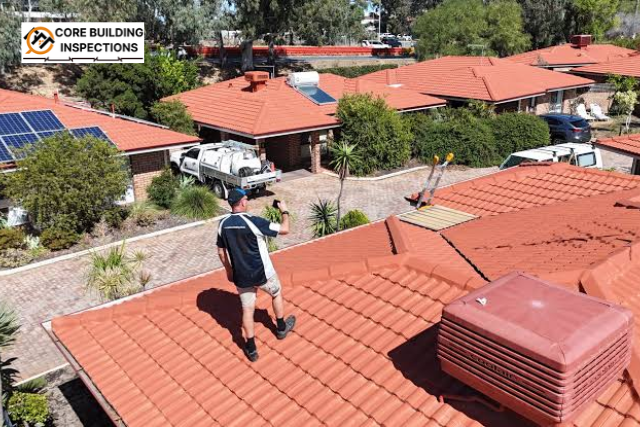
Using ladders or high-reach aerial cameras, the auditor inspects roof tiles, corrugated metal sheets, valley irons, skylights, gutters, and downpipes for rust, broken tiles, and water entry points.
Step 4: Internal Roof Space and Framing
Entering the roof manhole allows the inspector to examine rafters, ceiling joists, trusses, and insulation coverage. They look for sagging framing, DIY structural alterations, missing tie-downs, and water staining from past or active roof leaks.
Step 5: Subfloor Crawlspace and Foundation Support
For homes with suspended timber floors, the inspector crawls beneath the house to assess stump stability, timber bearers, floor joists, cross-flow ventilation vents, and subfloor dampness.
Step 6: Interior Rooms, Doors, Windows, and Wet Areas
Inside the home, every wall, ceiling, floor surface, door latch, and window sash is tested. Bathrooms, laundries, and kitchens receive intensive testing using pinless electronic moisture meters and thermal cameras to detect concealed leaks behind tiled shower walls.
Why Combining Building and Pest Inspections Is Essential in Footscray
Inner-west Melbourne properties face persistent biological threats alongside structural wear and tear. Older timber cottages with damp subfloors, mature street trees, and garden beds built up against exterior walls create ideal conditions for subterranean termites and wood-boring beetles.
Scheduling a combined Building and Pest Inspection in Footscray ensures both physical construction defects and timber-destroying organisms are evaluated together. Because subterranean termites eat timber framing from the inside out—leaving outer paintwork untouched until severe structural weakening occurs—combining acoustic timber sounding with thermal imaging allows inspectors to detect hidden pest activity before you sign unconditional contracts.
Smart Tips for Footscray Buyers: Auction vs. Private Sale Timing
Footscray’s real estate market features a high volume of Saturday street auctions alongside private treaty listings. Timing your inspection correctly protects your legal rights:
-
Before Auction Day: Under Victorian property law, properties purchased at auction—or within three clear business days before or after an auction—do not carry a cooling-off period, and bids cannot be made conditional on an inspection. Always arrange your inspection during the open-for-inspection campaign prior to auction day so you know your walk-away limit before raising your hand.
-
During Private Sale Negotiations: When buying via private sale, instruct your conveyancer or solicitor to include a clear “Subject to Building and Pest Inspection” special condition in the Contract of Sale. This gives you a dedicated window—usually 7 to 14 days—to complete the inspection and negotiate repairs or exit the contract safely if major defects emerge.
Checklist: How to Select the Right Footscray Inspection Provider
Before booking your inspection, verify that your chosen company meets these essential benchmarks:
-
VBA Practitioner Registration: Confirm your inspector is registered with the Victorian Building Authority (VBA) and possesses genuine construction industry experience.
-
Full Insurance Coverage: Ensure the business holds current Professional Indemnity and Public Liability insurance.
-
Complete Independence: Choose an auditor who works solely for you—never rely exclusively on a vendor-supplied report handed out at an open home.
-
Thermal Imaging & Moisture Testing Included: Make sure infrared thermal cameras and moisture meters are standard on every job.
-
24-Hour Photographic Digital Reports: Fast turnaround times ensure you never miss tight contract or auction deadlines, backed by a direct phone call with your inspector to explain findings in plain English.
Partnering with Core Building Inspections in Footscray
For buyers and investors seeking reliable, transparent, and cost-effective due diligence across Footscray and inner-west Melbourne, Core Building Inspections delivers thorough property evaluations tailored to local housing stock. Their team of VBA-registered, fully insured inspectors follows recognized Australian residential building and timber pest inspection standards on every visit.
Core Building Inspections includes high-resolution thermal imaging and precision moisture diagnostics at no extra charge, delivering easy-to-read digital photographic reports within 24 hours alongside a personal post-inspection phone consultation. By combining competitive, upfront pricing with uncompromising technical rigor, Core Building Inspections helps you secure your Footscray property with total confidence.
Frequently Asked Questions
How much does an affordable building inspection cost in Footscray?
In Footscray, a comprehensive pre-purchase building inspection typically starts around $350 to $450 AUD for a standard apartment or unit, while combined building and pest inspections for houses generally range from $450 to $650 AUD depending on bedroom count and subfloor access.
How long does a property inspection take in Footscray?
A thorough on-site evaluation takes approximately 1.5 to 2.5 hours for a standard house, and around 1 to 1.5 hours for an apartment or townhouse, depending on size and structural complexity.
Can I use the inspection report to negotiate the purchase price?
Yes. When major structural defects, leaking wet areas, or active termite damage are documented with clear photographs in your report, your conveyancer can use those findings to negotiate a price reduction or request vendor repairs prior to settlement.
Do newly built townhouses or apartments in Footscray still need an inspection?
Yes. Even brand-new properties frequently exhibit incomplete waterproofing seals, drainage falls that trap water on balconies, missing roof insulation, and minor structural tolerances that should be identified and rectified before settlement.