What Does a Pre Purchase Building Inspection Cover in Melbourne?

Trusted Melbourne Experts for Termite and Pest Inspections
August 4, 2026
Top 8 Termite and Pest Inspection Services In Melbourne
August 12, 2026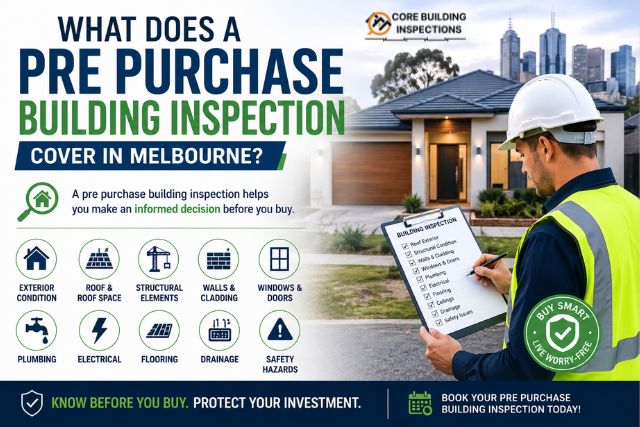
Buying a home or investment property is one of the most significant financial commitments you will ever make. In Melbourne’s competitive real estate market, properties often look flawless on the surface thanks to fresh paint, stylish staging, and minor cosmetic upgrades. However, underlying structural issues, moisture damage, or hidden pest infestations can cost tens of thousands of dollars to rectify if left undetected before settlement. Conducting a thorough pre-purchase building inspection ensures you fully understand a property’s true physical condition before signing contracts or proceeding to settlement. A comprehensive building and pest check protects your hard-earned money, provides leverage during price negotiations, and gives you complete peace of mind.
The Core Scope of a Pre-Purchase Inspection
A professional property inspection in Melbourne must comply with Australian Standards, specifically AS 4349.1 for building inspections and AS 4349.3 for timber pest inspections. Qualified inspectors meticulously evaluate all accessible areas of the building, checking for structural flaws, minor defects, and potential safety hazards.
An inspection evaluates five main structural areas:
- The interior of the building
- The exterior of the building
- The roof void and internal ceiling framing
- The subfloor space (where accessible)
- The roof exterior and guttering system
1. Roof Void and Ceiling Framing Inspection
The roof void is one of the most critical structural zones of any residential property, yet it is rarely viewed by buyers during open home inspections. Inspectors enter accessible roof spaces to assess the framing structure, checking for broken roof trusses, sagging rafters, or inadequate roof bracing. They inspect thermal insulation coverage, verify proper ventilation, and search for signs of active or historical roof leaks. Moisture entering the roof void can cause concealed timber rot, weaken structural framing, and foster toxic mold growth behind plasterboards.
2. Roof Exterior, Gutters, and Downpipes
Melbourne’s unpredictable weather patterns place severe demands on roof drainage systems. An inspection evaluates the condition of roof tiles, colorbond metal sheets, flashings, valley irons, and ridge capping. Inspectors look for cracked tiles, rusted iron, deteriorating pointing, blocked gutters, and incorrectly installed downpipes. Faulty roof drainage systems often direct heavy rainfall straight down external walls or into the building’s footings, leading to severe foundation movement over time.
3. Subfloor Space and Foundation Health
For Melbourne homes built on stumps or piers particularly traditional Victorian, Edwardian, and Californian bungalows the subfloor area reveals the true health of the foundation. Inspectors crawl beneath accessible subfloors to inspect timber bearers, joists, and foundation stumps. Key defects evaluated in the subfloor include:
- Stump Deterioration: Rotting timber stumps, cracking concrete stumps, or spalling brick piers.
- Subfloor Ventilation: Poor airflow creating high humidity environments ideal for timber decay and pests.
- Ground Moisture & Leaks: Leaking plumbing pipes or poor drainage leading to pooling ground water.
For modern homes constructed on concrete slabs, inspectors check for external slab edge dampness, perimeter cracks, and soil subsidence around the footings.
4. Building Interior Assessment
Every room inside the home is inspected to identify cosmetic defects, moisture issues, and operational safety hazards. Inspectors utilize moisture meters and thermal imaging tools to detect hidden dampness within wall cavities.
Internal areas inspected include:
- Walls and Ceilings: Checking for structural cracking, plaster distortion, water staining, and uneven surfaces.
- Doors and Windows: Ensuring frames are square and functional, as binding doors often signal foundation movement.
- Wet Areas (Bathrooms, Kitchens, Laundries): Testing for leaking plumbing, failed waterproofing membranes, deteriorating silicone seals, and poor drainage.
- Safety Features: Checking for smoke alarms, residual current devices (RCD safety switches), and secure balustrades on stairs and balconies.
5. Building Exterior and Surrounding Site
The external building envelope shields the home from structural decay and weather exposure. Inspectors examine external brickwork for cracking, mortar deterioration, rising damp, and missing weep holes. On weatherboard homes, timber cladding is checked for decay, paint failure, and soil contact. Beyond the main dwelling, a thorough Victoria pre-purchase house inspection includes evaluating site drainage, retaining walls, detached garages, carports, driveways, and timber decking. Retaining walls over 1 meter high are carefully evaluated for lean or structural failure, as replacing collapsed retaining walls can carry massive repair bills.
Incorporating a Pre-Purchase Pest Inspection
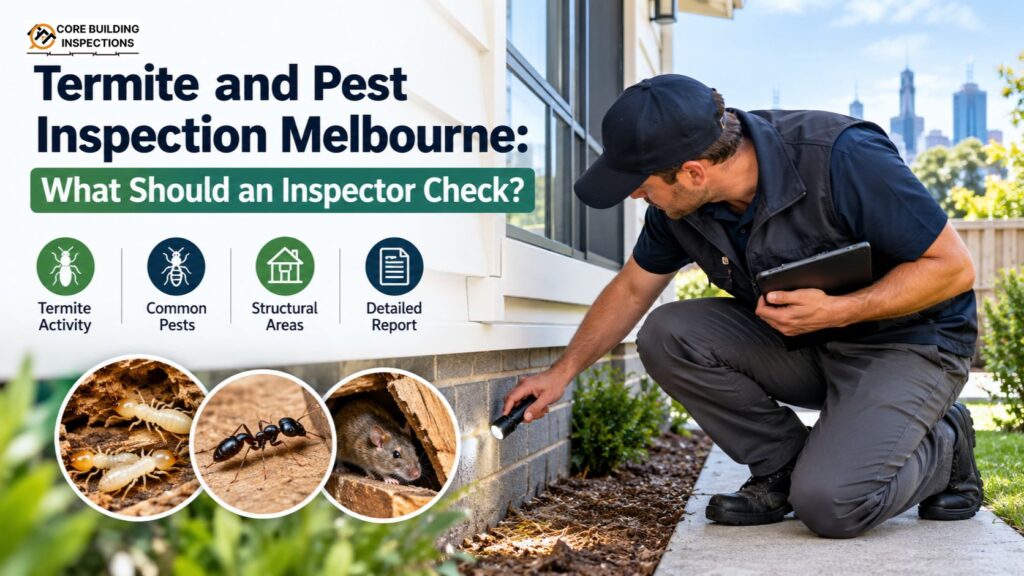
Structural defects are only half the equation when evaluating a home. Timber-destroying insects specifically subterranean termites, wood-boring beetles, and timber rot fungi cause substantial damage to properties across Victoria every year. Because regular home insurance policies do not cover termite damage, combining your building check with a pre-purchase pest inspection Victoria is essential. A specialized pest inspector utilizes specialized detection equipment, such as moisture meters, acoustic taps, and thermal imaging cameras, to identify:
- Active Termite Infestations: Locating live subterranean termite activity within timber framing or garden grounds.
- Concealed Pest Damage: Finding hollowed timber frames, damaged subfloor bearers, or compromised roof trusses masked by paint.
- High-Risk Conditions: Identifying damp subfloors, timber-in-ground contact, leaking pipes, and blocked weep holes that invite termites onto the property.
Major vs. Minor Defects: Understanding the Report
Following the inspection, you receive a detailed written report complete with high-resolution photography, categorized defect listings, and professional recommendations.
Defects are typically split into two main categories:
- Major Defects: Structural issues that compromise the integrity or safety of the building, such as foundation failure, major roof truss damage, extensive subterranean termite damage, or widespread waterproofing failure. These require immediate repair.
- Minor Defects: Maintenance items and minor wear-and-tear, including cracked window glass, sticking doors, missing sealant around sinks, flaking paint, or minor gutter rust.
Understanding the difference allows you to make calm, informed decisions during purchase negotiations rather than walking away from a solid home over minor cosmetic fixes.
Why Choose Core Building Inspections for Your Melbourne Property?
When investing in property across Melbourne and Victoria, working with fully qualified, independent building consultants is critical. Core Building Inspections provides industry-leading, highly detailed building and pest inspection services tailored to the local Victorian market. With extensive industry expertise and a commitment to strict compliance under Australian Standards, Core Building Inspections delivers clear, easy-to-read reports within 24 hours of site attendance. Their fully licensed inspectors utilize advanced thermal imaging technology and precision moisture meters to uncover hidden structural flaws and subterranean pest activity that standard visual checks miss. Whether you are buying a historic timber cottage or a contemporary urban townhouse, partnering with Core Building Inspections gives you the clarity, confidence, and leverage needed to navigate your property purchase securely.
Frequently Asked Questions:
Q1: How long does a pre-purchase building and pest inspection take?
A: A thorough visual inspection typically takes between 1.5 to 2.5 hours on-site, depending on the size, age, and physical condition of the property.
Q2: Can I attend the property inspection in person?
A: Yes. Attending toward the end of the inspection allows the inspector to walk you through key findings in person and answer specific questions before issuing the written report.
Q3: What if the inspection report reveals major structural defects?
A: Identifying major defects provides clear options. You can use the report to negotiate a lower purchase price, request that the vendor rectify issues prior to settlement, or safely walk away if the contract includes a subject-to-building-inspection clause.