Why Termite Checks are Vital Alongside Building Inspections in Melbourne

10 Benefits of Hiring a trusted pre settlement inspection service
February 26, 2026
2026 Guide to Pre-buy Home Inspection in Melbourne
February 28, 2026
It’s easy to get hooked on a home’s looks when checking out Melbourne properties – like those high ceilings in a Victorian house or the cool style of a modern place. But lots of folks only look for things like cracks or leaks and forget about a hidden problem down below.
In our part of the world, every smart buyer should wonder why termite checks are so important, along with building inspections in Melbourne. Knowing how a building check and a pest check work together can be the difference between a good investment and a money pit.
The Silent Threat: Why Melbourne is a Termite Hotspot
Melbourne sits on a variety of soil types, including the notorious reactive clay found in the Northern and Western suburbs. This soil holds moisture, creating the perfect damp environment that subterranean termites crave. Because these pests travel underground and eat timber from the inside out, a standard visual check by an untrained eye will almost always miss them.
By the time a homeowner notices “spongy” floorboards or “bubbling” paint on a skirting board, the structural damage is often already extensive. This is why a Building and Pest Inspection in Melbourne is considered the “gold standard” for property due diligence in 2026.
4 Key Benefits of Combining Building and Pest Checks
1. Identifying “Conducive Conditions”
A building inspector looks for defects, but a pest technician looks for invitations. During Building Inspections in Melbourne, we often find issues like leaking shower recesses, poor sub-floor ventilation, or garden beds built up against weep holes. While these are building defects, they are also “conducive conditions” that practically roll out the red carpet for termites. Identifying these early allows you to fix the environment before the pests arrive.
2. Protecting the Structural “Skeleton”
Modern Melbourne homes are often brick veneer, meaning they have a timber frame hidden behind the bricks. Termites can bypass the brickwork and eat the structural frame, roof trusses, and floor joists. A standard building report might say the walls are straight, but only a pest check can confirm if the “skeleton” of the house is being hollowed out.
3. Insurance Limitations
Most standard home insurance policies in Australia do not cover termite damage. They view pest infestations as a “maintenance issue” rather than an accidental event. If you buy a home with an existing infestation, you are personally liable for the repair costs, which can easily reach tens of thousands of dollars.
4. Negotiation Power
If active termites or significant historical damage are found, it doesn’t always mean you should walk away. Instead, it provides you with powerful evidence to renegotiate the purchase price. Knowing the exact cost of treatment and structural repair allows your conveyancer to argue for a significant discount before the contract becomes unconditional.
What the Experts Use: Beyond the Naked Eye
A Melbourne building inspector today uses more than just a flashlight and a ladder. To ensure a property is truly safe, we utilize high-tech diagnostic tools:
-
Thermal Imaging Cameras: These detect heat signatures behind walls. Termite colonies generate heat, which shows up as a “hot spot” on the camera.
-
Moisture Meters: High moisture levels in timber or plaster often indicate a leak or a termite highway.
-
Termatrac Devices: This is a motion-sensing technology that can detect movement inside a wall without having to pull the plaster off.
Choosing the Right Team
Not all inspectors are created equal. You need trusted building inspectors in Melbourne who understand the specific pest pressures of different suburbs from the termite-prone sandy soils of the Bayside area to the damp, leafy environments of the Dandenong Ranges.
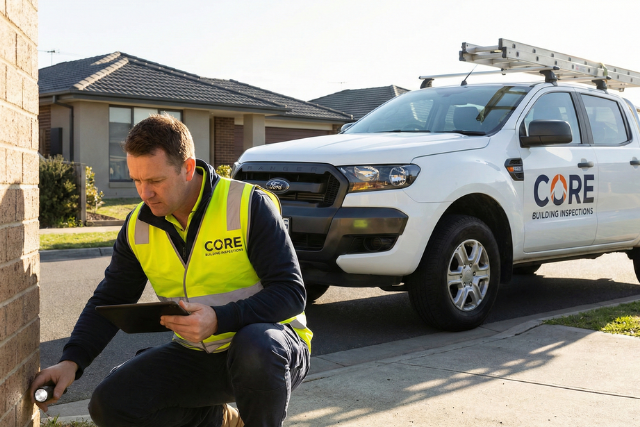
At Core Building Inspections, we provide integrated reports that cover both structural integrity and timber pest activity. We deliver these photographic, easy-to-understand reports within 24 hours, giving you the speed you need to compete in Melbourne’s fast-paced auction scene.