10 Things to Check During a Victoria Pre-Purchase House Inspection

11 Qualities of Trusted Building Inspectors in Melbourne
February 28, 2026
7 Early Warning Signs You Need a Termite and Pest Inspection Melbourne
March 7, 2026
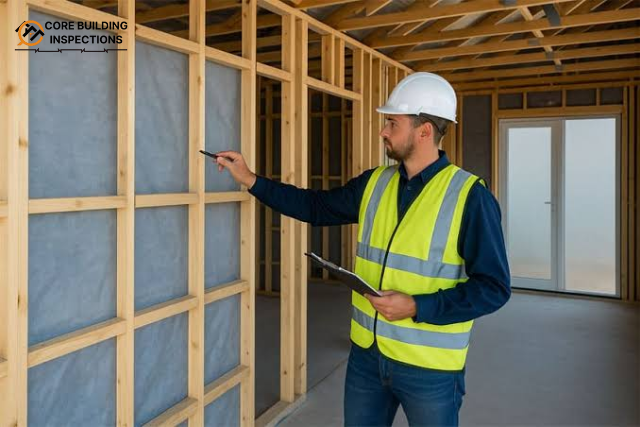
Buying a property in Victoria is a high-stakes financial move. While a home might look pristine during a 15-minute open house, many structural and pest-related issues hide behind fresh paint and staged furniture. To ensure you aren’t buying a “money pit,” a professional Victoria pre-purchase house inspection is an absolute necessity.
Here is the deep-dive breakdown of the 10 most critical areas that require your attention.
1. Structural Integrity and Foundations
The most expensive part of any home is its “bones.” In Victoria, particularly in the northern and western suburbs like Craigieburn or St Albans, reactive clay soil is a major factor. A Pre-purchase building inspection focuses on identifying “step cracks” in brickwork or uneven floor levels. We look for signs of “heave” or “subsidence,” which could indicate the home needs costly underpinning a repair that can easily exceed $30,000.
2. Presence of “Silent Destroyers”
Termites remain a top threat across the state, especially in leafier zones. A dedicated Pre-purchase pest inspection Victoria is vital because a standard building check does not legally cover timber-destroying insects. We use specialized “tapping” tools and moisture probes to find mud tunnels, hollowed-out timber, and moisture zones that practically invite an infestation into your structural frame.
3. Roofing, Flashing, and Gutter Health
Replacing a roof in 2026 is a significant investment. During a Pre-Purchase Building Inspection, we don’t just look from the ground; we assess cracked tiles, rusted colorbond sheets, and blocked box gutters. In our volatile climate, poor drainage leads to water ingress, which silently destroys ceiling plaster and can cause dangerous electrical shorts.
4. Sub-floor Ventilation and Rising Damp
If a home has a “musty” smell, it often points to a lack of airflow beneath the floorboards. We check the crawl space for standing water, decaying floor joists, and “efflorescence” (white salt deposits) on brickwork. High moisture levels in these areas are a red flag for both structural rot and hazardous mold growth that affects indoor air quality.
5. Illegal or Non-Compliant “DIY” Extensions
Melbourne is famous for its backyard “renovator delights.” We cross-reference the physical structure with the reported plans to ensure there are no unapproved decks, pergolas, or converted garages. If an extension isn’t council-approved, you—as the new owner—could be forced to tear it down at your own expense after settlement.
6. Internal Plumbing and Hydrostatic Pressure
A Pre-buy home inspection Melbourne includes a “stress test” of the wet areas. We run multiple taps to check water pressure, look for slow-draining sinks (indicating root blockages), and use high-end moisture meters behind shower walls to detect failing waterproofing membranes—a defect that is often hidden behind a fresh coat of “seller’s paint.”
7. Electrical Safety and Switchboard Compliance
Older homes in suburbs like Footscray or Preston often have outdated “cotton-covered” wiring or old ceramic fuses. These are significant fire hazards. We check the switchboard to ensure modern Safety Switches (RCDs) are installed and compliant with current 2026 safety standards, saving you from a mandatory (and expensive) electrical upgrade.
8. External Site Drainage and Grading
Where does the water go when it rains? If the land slopes toward the house rather than away from it, you risk localized flooding and foundation damage. We assess the site levels, the condition of downpipes, and the presence of “surface water ponding” to ensure the property’s drainage system can handle a Victorian downpour.
9. Boundary Fencing and Retaining Walls
Fencing is a “shared” cost that often leads to neighbor disputes. We inspect the structural integrity of boundary fences and retaining walls. Leaning or rotting sleepers on a retaining wall can be a sign of poor soil retention, which might eventually compromise the driveway or the house foundation itself.
10. Window and Door Operation
While it seems minor, windows that are painted shut or doors that don’t latch often indicate that the house has shifted. We test the operation of all joinery to ensure the “fit and finish” matches the asking price. In older Victorian homes, we specifically look for sash window rot and operational “draftiness” that could spike your energy bills.
Frequently Asked Questions
1. Is a pre-purchase building inspection mandatory in Victoria?
No, it is not legally required for a seller to provide one. However, Consumer Affairs Victoria strongly recommends that buyers arrange their own Pre-purchase building inspection before signing a contract or during the cooling-off period to avoid inheriting expensive structural defects.
2. How long does a Pre-Purchase Building Inspection in Melbourne take?
Generally, a thorough on-site assessment takes between 1.5 to 2.5 hours, depending on the size and condition of the property. At Core Building Inspections, we ensure a fast turnaround, providing your digital photographic report within 24 hours.
3. Can I pull out of a contract if the report finds major issues?
Yes, provided your contract includes a “subject to building and pest” clause. If your Pre-buy home inspection Melbourne reveals major structural defects or a “major infestation” as defined by Australian Standards, you typically have a right to terminate the contract and receive your deposit back, often within a 14-day window.
4. What is the difference between a building and a pest check?
A building check focuses on the structural integrity of the home (roof, walls, foundations), while a Pre-purchase pest inspection specifically targets wood-destroying insects like termites and borers. We always recommend a combined report for total peace of mind.
5. Should I get an inspection for a brand-new home?
Absolutely. Many “new” homes in Melbourne’s growth corridors are being finished in a rush. A professional check can uncover incomplete waterproofing, non-compliant drainage, or structural shortcuts that the council surveyor might have missed.