How to Find the Best Home Inspections in Melbourne (A 2026 Guide)

Hiring a Melbourne Building Inspector? 7 Tips You Need to Know
January 19, 2026
Why Core Building Inspections is the Top Building Inspection Company
January 23, 2026
The Reality of the Victorian Building Industry
It is a common misconception that all building inspectors are the same. In reality, the industry varies wildly in terms of quality, experience, and thoroughness.
Some operators are retired builders who use outdated methods. Others are large franchises that churn out generic reports with little local insight. The “best” inspection isn’t necessarily the most expensive, nor is it the one with the fanciest website. The best inspection is one that provides clarity. It cuts through the real estate jargon and tells you the unvarnished truth about the property’s condition.
After establishing key industry realities, the next question arises: what actually makes an inspection the best in Melbourne? If you are hunting for top-tier protection, you need to look for these four non-negotiable pillars.
1. Qualifications and Registration (VBA)
In Victoria, a building inspector must be registered with the Victorian Building Authority (VBA). This seems obvious, yet many buyers fail to check. A registered practitioner has the legal authority and the educational background to assess structural integrity.
2. Advanced Detection Technology
- Thermal Imaging: This is crucial for spotting missing insulation, draft issues, and—most importantly—heat signatures from active termite nests behind drywalls.
- Moisture Meters: These devices detect water content in walls and floors. A fresh coat of paint might hide a water stain, but it can’t fool a moisture meter.
3. Independence from Real Estate Agents
4. Clarity and “Plain English” Reporting
Choosing the Right Provider
When selecting a provider, you are often choosing between a solo operator and a larger building inspection company Melbourne based. There are pros and cons to both choices. Specialized companies often offer better infrastructure, dedicated support, quicker reports (often same-day), and teams that can cross-reference complex issues. Still, make sure you know who will inspect the property and that they are fully qualified.
The “Combo” Inspection: Why It’s Essential
In Melbourne, building defects and pest activity are virtually inseparable. A leaking shower (building defect) rots the sub-floor timber, which then attracts termites (pest issue).
Why Core Building Inspections Stand Out
At Core Building Inspections, we have built our reputation on being thorough, honest, and technically advanced. We don’t rush. We don’t cut corners. We treat every property as if we were buying it ourselves.
Conclusion: Don’t Buy Blind
Buying a home is emotional. It’s easy to fall in love with the high ceilings, the modern kitchen, or the backyard. But once the excitement fades, the reality of maintenance sets in.
Frequently Asked Questions
1. How much will it cost?
Expect to pay $400 to $700 for a standard building inspection. The price changes based on the property’s size and the kind of inspection you want (just building or building and pests). If a price seems very low, be careful – it might mean the inspector is cutting corners or isn’t qualified.
2. Can I be there?
Yes, it’s a good idea to be there near the end. Most inspectors want you to come so they can tell you about their main findings. It’s easier to understand that way than just reading a report.
3. How long does it take?
A good inspection of a typical 3-bedroom house should take 60 to 90 minutes. If someone is done way faster than that, they probably missed stuff.
4. What if they find big problems?
Don’t worry too much. Finding a major defect doesn’t have to be a deal-breaker. It just means you know the real cost of the place. Now you can decide to back out, have the seller fix things, or get a price cut to pay for the repairs yourself.
5. Do they look for asbestos?
Normal inspections are visual only. The inspector won’t do any asbestos testing. But, if it’s an older house, a good inspector can spot materials that probably have asbestos and tell you to get a specialist to test them.
6. Do I need an inspection for a new house?
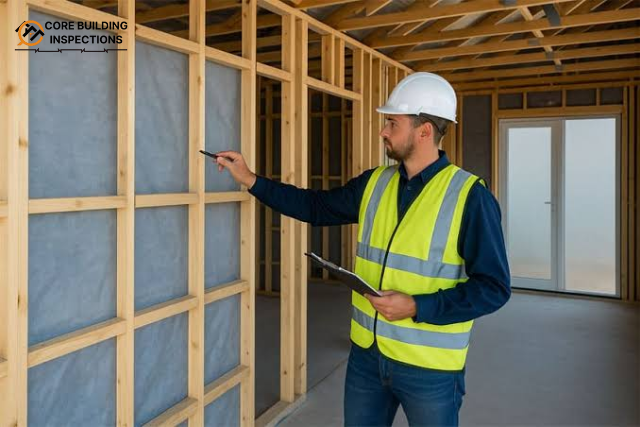
Yes! New houses can have problems too, like bad waterproofing or drains that aren’t hooked up. A Handover Inspection is needed to make sure the builder fixes everything before you pay them.