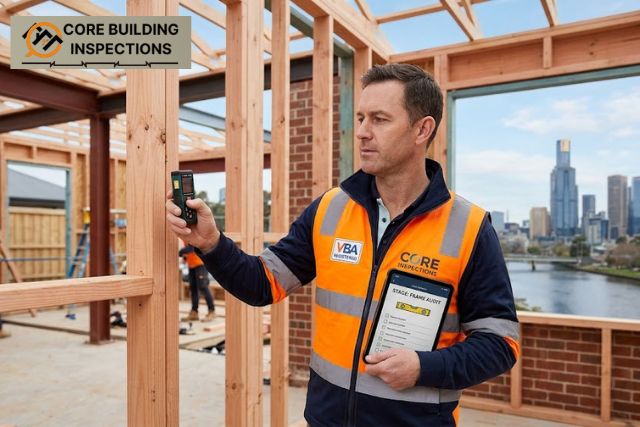
Building and Pest Inspection in Melbourne: Key Benefits for Homeowners

Core Building Inspections | Pre Settlement Inspection Service in Melbourne
November 21, 2025
Why Core Building Inspections is the Best Pre-Settlement Inspection Company in Victoria
December 8, 2025
Buying a home in Melbourne is usually seen as a safe and smart thing to do. Whether you’ve got a cute old Victorian house downtown, a family home in the green eastern suburbs, or a brand-house on the city’s edge, your property is probably worth a lot.
But what really matters about a Melbourne property isn’t just where it is or how it looks, it’s how well it’s built.
Underneath the nice paint, shiny floors, and pretty garden, there could be problems that most people would overlook. Things like shifting foundations because of Melbourne’s clay soil, or termites eating away at the wood, these hidden issues can turn a great house into a money pit.
That’s why getting a Building and Pest Inspection in Melbourne is super essential if you already own a home and want to fix it up, or if you’re thinking of buying one. It’s not just another cost; it’s like insurance for your money.
Here are the key benefits of investing in a comprehensive combined inspection.
1. Uncovering Hidden Structural Defects
Melbourne’s diverse housing stock presents a unique set of challenges. Older homes may be suffering from decades of wear and tear, rising damp, or outdated wiring. Newer properties aren’t immune either, sometimes hiding rushed workmanship or non-compliant waterproofing that can lead to major leaks down the track.
A qualified Melbourne building inspector assesses the “bones” of the house. They look beyond the cosmetic surfaces to investigate:
-
Foundations and Subfloors: Checking for significant cracking, movement, or inadequate ventilation that could lead to rot.
-
Roofing and Roof Voids: Identifying broken tiles, rusting gutters, poor insulation, and compromised roof trusses.
-
Moisture Issues: Using advanced tools like moisture meters and thermal imaging to detect water leaks behind shower walls or within ceilings that can cause structural rot and attract pests.
Catching these issues early is the difference between a minor repair now and a major structural rebuild later.
2. Detecting the “Silent Destroyers” (Timber Pests)
Victoria is classified as a high-risk area for termite activity. Termites are notoriously secretive, often eating residential timber frames from the inside out, leaving a thin layer of paint intact. By the time damage is visible to a homeowner, it is often catastrophic and rarely covered by standard home insurance.
A standard building inspection does not cover timber pests. This is why the combined inspection is so vital.
A specialized timber pest inspector knows exactly where to look in the subfloor, around the perimeter, and in roof cavities for evidence of active termites, old workings, borers, and fungal decay. They also identify conditions that attract pests, such as timber in contact with the ground or leaking pipes, allowing you to take preventative action.
3. Powerful Financial Leverage and Protection
If you are in the process of buying a home, knowledge is power. A detailed report highlighting necessary repairs gives you significant leverage.
If a report uncovers $15,000 worth of roofing repairs and active termite activity, you have options. You can negotiate a lower purchase price to cover the costs, request the vendor rectify the issues before settlement, or, if the problems are too severe, walk away from a bad investment entirely. Without this information, those costs become yours the moment settlement occurs.
4. A Blueprint for Future Maintenance
For existing homeowners, an inspection isn’t just about finding disasters; it’s about planning. A quality report acts as a maintenance manual for your home. It helps you prioritize which repairs are urgent (like a water leak) and which can be planned for over the next few years (like replacing aging gutters). This proactive approach helps you budget effectively and maintain the asset value of your property over time.
Choosing the Right Partner
To realize these benefits, the quality of the inspection matters. Not all inspectors are created equal. When selecting a building inspection company Melbourne, it is crucial to look for independence, experience, and accreditation.
You need to find trusted building inspectors in melbourne who are registered with the Victorian Building Authority (VBA), carry full professional indemnity insurance, and utilize modern technology like thermal imaging as standard, rather than an expensive add-on.
Conclusion
A home is more than just bricks and mortar; it’s your sanctuary and your future. Don’t rely on guesswork or a seller’s assurances regarding its condition. A combined building and pest inspection provides a holistic view of the property’s health, linking structural issues with potential pest vulnerabilities. It is the only way to move forward with complete confidence and peace of mind.
Frequently Asked Questions (FAQs)
Q1: Why should I get both a building and pest inspection? Can’t I just pick one?
Sure, you could pick just one, but that’s not a great idea in a place like Melbourne. A building inspector isn’t always an expert on termites, and a pest inspector won’t care about a bad roof. A lot of times, these issues go together like a leaky pipe (building) makes the wood wet, which brings in termites (pest). Getting both done means you’re less likely to miss something, and it’s usually cheaper than getting them done separately.
Q2: How long does the inspection take? When do I get the report?
For a typical 3-bedroom house, an inspection takes about 2 to 3 hours. It really depends on how easy it is to move around the house and what shape it’s in. At Core Building Inspections, we know you want to know stuff fast, so we send you a report with pictures within a day of the inspection.
Q3: Can I be there while you do the inspection?
Yes, please do! We think it’s best if you come near the end. The inspector can walk you through what they found, show you in person, and you can ask all your questions right then.
Q4: What happens if the report says there are termites?
Don’t freak out. The report will tell you if the termites are living there now, or if it is old damage, and how bad the damage is. Then, you should call a company that gets rid of pests to get a price on getting rid of the termites and preventing them from coming back. Then you use that info when you talk to the seller.
Q5: Are your inspectors licensed?
Yes, they are. If you want to make sure you’re getting someone who knows their job, you should only hire people who are registered. Core Building Inspections makes sure all our inspectors are licensed and have insurance, so you don’t need to worry about it.