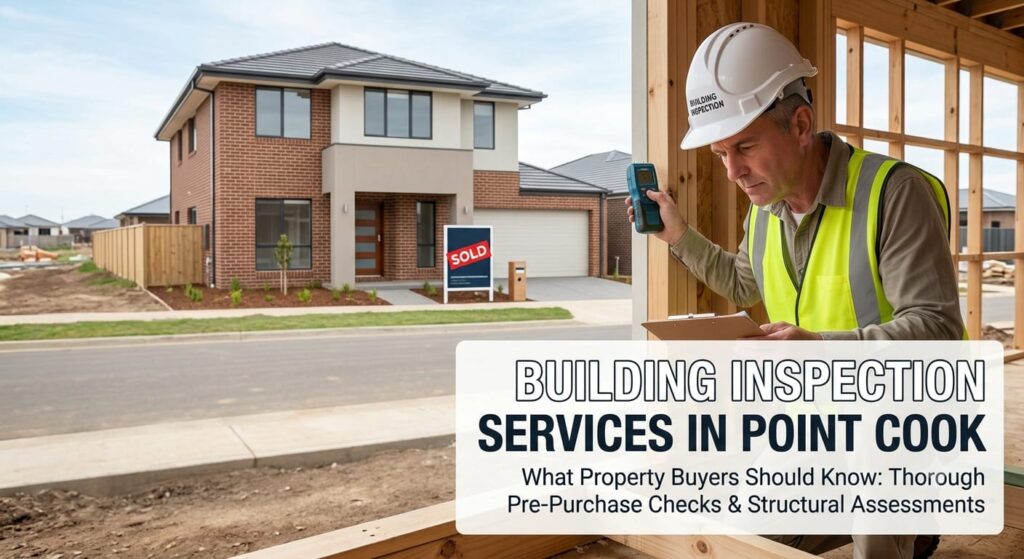
Termite Damage in Victorian Homes: Why Early Inspection Matters

What Does a Pre-Buy Home Inspection in Melbourne Cover?
August 20, 2026
Pre-Purchase Building Inspection in Tarneit: A Smart Step Before Buying Property
September 1, 2026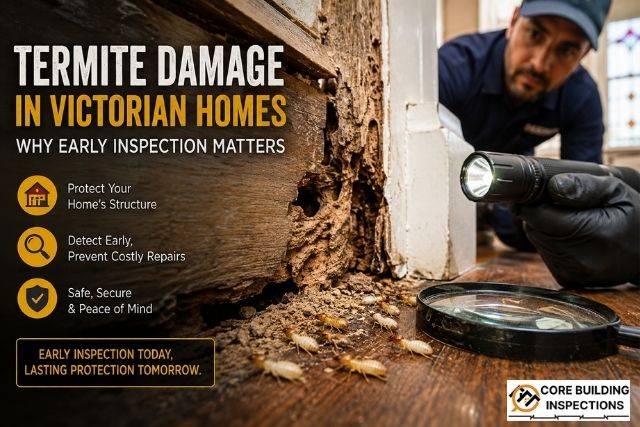
Victorian homes are renowned for their timeless architectural elegance, characterized by decorative iron lace, soaring ceilings, elaborate plasterwork, and historic timber framing. However, beneath the ornate facades and polished floorboards of these heritage and period properties lies a severe vulnerability that can compromise structural integrity from the inside out. Securing a comprehensive termite and pest inspection Melbourne property owners can trust is essential for safeguarding classic weatherboard cottages, solid brick terraces, and contemporary residences alike. In south-eastern Australia’s variable climate, subterranean termites pose a continuous, silent threat to timber-framed structures, often causing tens of thousands of dollars in structural damage long before a homeowner notices the first outward symptom. Understanding how termites operate, why period construction methods are particularly susceptible to infestation, and how early detection saves homeowners from catastrophic repair expenses is vital for anyone owning or purchasing property in the region.
1. The Architectural Vulnerability of Victorian Period Homes
The distinctive construction styles of Victorian-era, Edwardian, and Federation homes make them significantly more susceptible to timber pest activity than modern builds designed under modern pest-management codes.
Traditional Timber Framing and Subfloor Construction
Most historic homes across the state were built using extensive timber subfloor systems. Floorboards, bearers, and joists were traditionally set upon redgum or concrete stumps placed directly into or close to the ground. Over decades, timber stumps can shift, crack, or rot due to moisture absorption, creating an uninterrupted highway for subterranean termites to bridge the gap from subterranean colonies directly into the heart of the structure.
Subfloor Ventilation and Moisture Traps
Adequate cross-flow ventilation beneath the floor is essential for maintaining dry timber. In many older Victorian properties, subfloor vents have been obstructed over time by raised garden beds, exterior paving, home extensions, or accumulated soil. When airflow is restricted, moisture accumulates beneath the floorboards. High humidity and damp timber create an optimal microclimate for subterranean termites, which require constant moisture to survive and expand their colonies.
Lath and Plaster Wall Cavities
Unlike modern drywall installations, older homes feature lath and plaster interior walls where thin strips of timber are nailed horizontally across wall studs to support plaster coats. These continuous internal timber cavities provide hidden food sources and sheltered travel routes throughout the entire building envelope, allowing colonies to spread from the subfloor up into the roof framework undetected.
2. Common Destructive Termite Species in the Region
While thousands of termite species exist globally, a select group of subterranean termites causes virtually all structural damage to residential buildings across the state:
-
Coptotermes acinaciformis: Widely regarded as the most destructive termite species in urban and suburban environments. This species builds subterranean colonies that can travel over fifty meters underground to locate a food source. They are notoriously aggressive, capable of hollowing out load-bearing timber beams, skirting boards, and structural wall framing in a matter of months.
-
Nasutitermes exitiosus: Frequently encountered in regions with established eucalyptus trees and sandy or loamy soils. They build low subterranean or mound nests and attack subfloor timbers, decking, and external timber structures.
-
Schedorhinotermes intermedius: Known for their distinct multi-caste worker and soldier structures, these termites create complex networks of mud shelter tubes over brick foundations, concrete piers, and plumbing penetrations to reach dry timber framing above.
Subterranean termites do not sleep; they forage twenty-four hours a day, seven days a week, consuming the cellulose within structural timbers from the interior outwards while leaving a wafer-thin external veneer of wood or paint intact.
3. Subtle Warning Signs of Termite Infiltration
Because subterranean termites avoid light and open air, infestations are rarely spotted in their early stages without specialized equipment. However, several subtle warning signs warrant immediate professional attention:
Hollow-Sounding Timber
When tapped gently with the handle of a screwdriver or tapping rod, timber elements that have been hollowed out produce a distinct, dull, papery sound. Skirting boards, door jambs, architraves, and window frames are prime areas where internal hollowing occurs.
Tight-Fitting Doors and Sticking Windows
As termites consume timber framing, they bring moisture, soil, and mud into the cavities to maintain high internal humidity. This moisture causes surrounding timber frames to warp and swell, making doors and windows suddenly stick or become difficult to latch.
Mud Leads and Shelter Tubes
Termites construct narrow, earthen mud tubes along foundation footings, concrete slabs, brick piers, and subfloor walls. These shelter tubes protect them from predators and drying out as they travel between their subterranean nest in the soil and the structural timbers of the home.
Cracked or Blistered Paintwork
As termites feed just millimeters beneath the surface of painted timber or plasterboard, they leave behind tiny pinholes that they plug with soil. In humid conditions, this feeding activity causes paint to blister, flake, or develop hairline ripple patterns along baseboards and walls.
Discarded Wings (Alates)
During warm, humid evenings in spring and summer, mature termite colonies release thousands of winged reproductive termites (alates) on colonizing flights. Finding discarded translucent wings piled on interior window sills, beneath doors, or around outdoor light fixtures is a definitive indicator that an active, mature colony exists in the immediate vicinity.
4. The Financial Reality: Why Insurance Policies Won’t Cover Damage
One of the most dangerous misconceptions among property owners is the belief that standard building insurance policies cover termite damage. In Australia, standard home and contents insurance policies explicitly exclude damage caused by termites, timber pests, and insects. Insurance providers categorize termite infestations as a gradual, preventable maintenance issue rather than a sudden, unforeseen disaster like a fire or storm. When an undetected infestation compromises load-bearing wall studs, roof trusses, or subfloor bearers, the entire cost of structural remediation falls squarely on the property owner. Rectifying major structural termite damage including jacking up sagging floors, replacing compromised hardwood beams, restumping subfloors, and re-plastering walls frequently costs tens of thousands of dollars. In severe cases involving historical period homes, structural rectification costs can easily exceed six figures.
5. Modern Detection Technology and the Power of Early Inspection
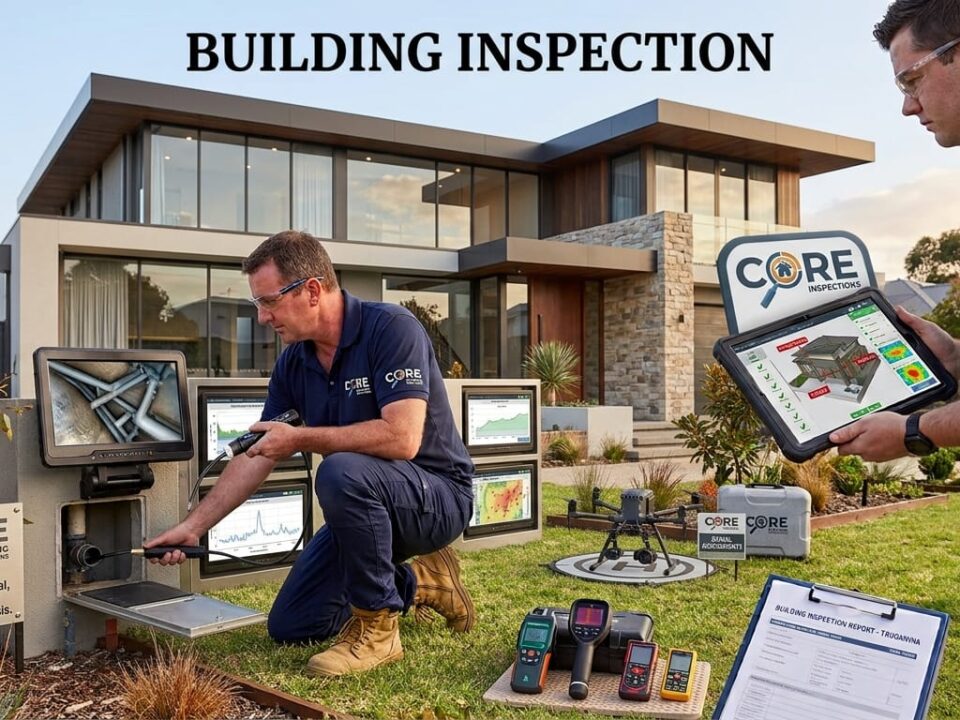
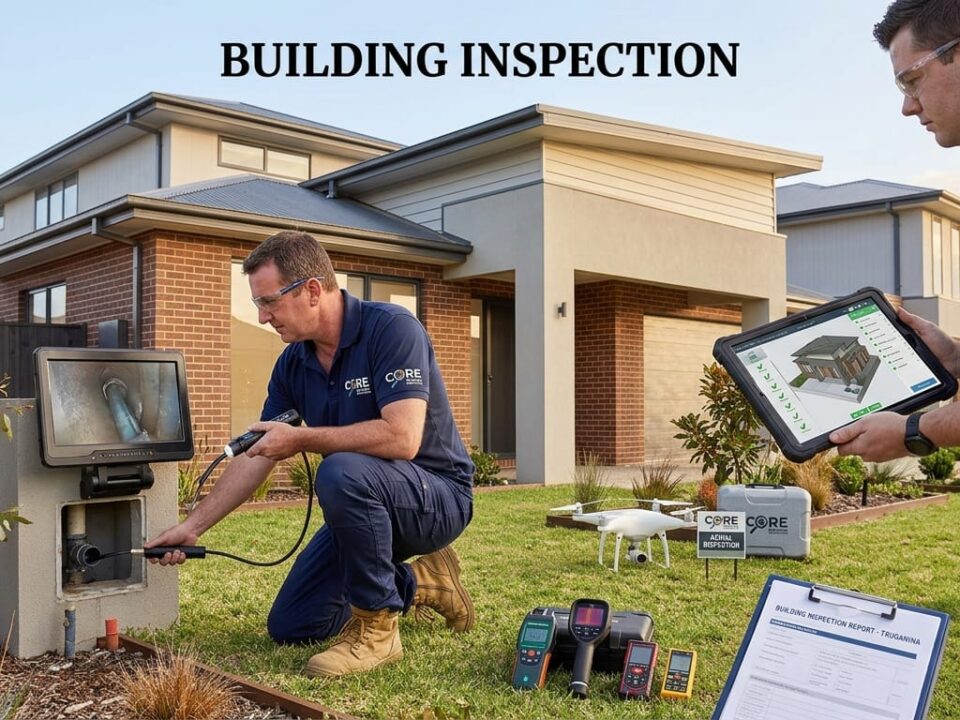
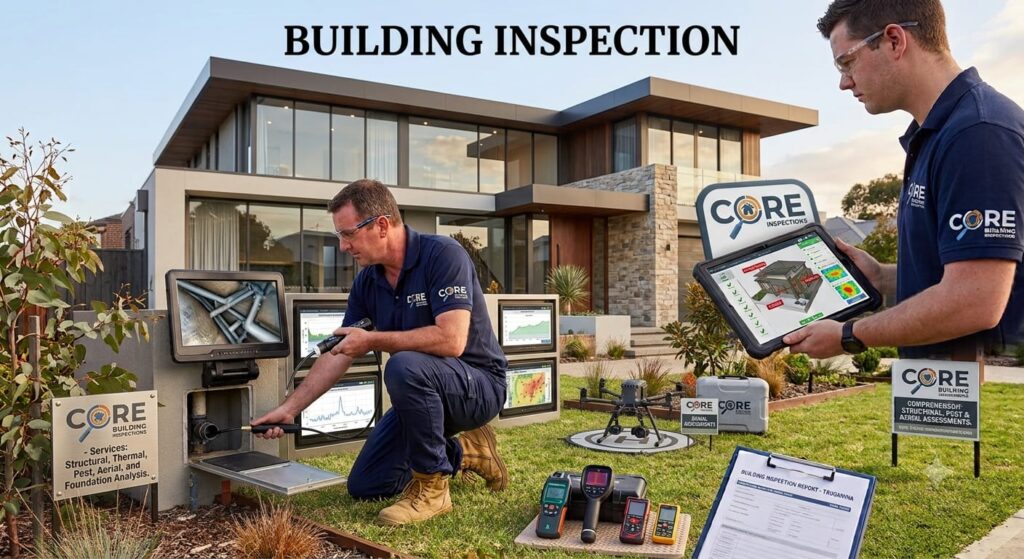
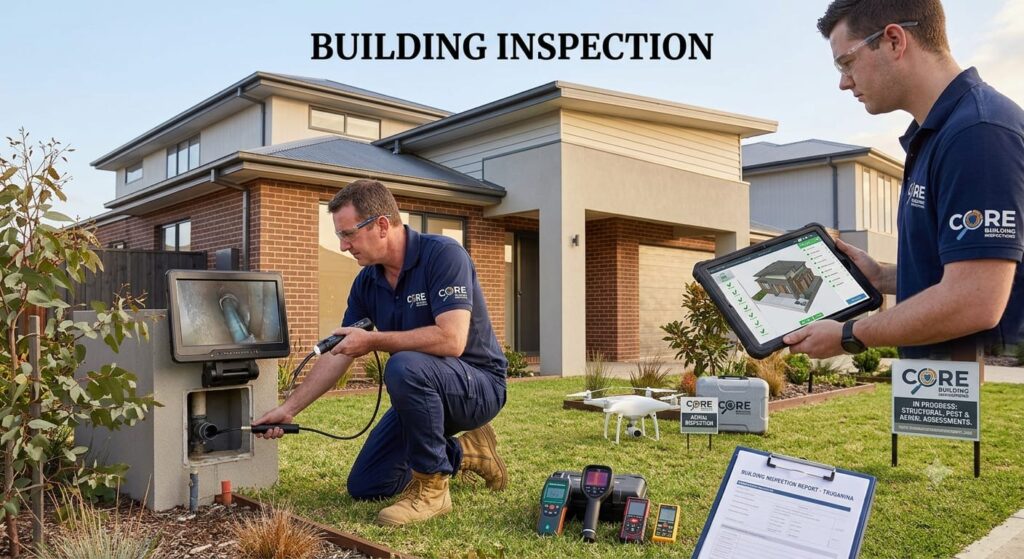
Relying on traditional visual walk-throughs alone is no longer sufficient for complex residential properties with concealed wall cavities and restricted subfloor clearances. Scheduling a dedicated termite and pest inspection in victoria ensures that homeowners and buyers receive a thorough assessment conducted in strict compliance with Australian Standards AS 4349.3 (Timber Pest Inspections) and AS 3660.2. When selecting an inspection provider, partnering with experienced building and timber pest specialists like core building inspections provides property owners with comprehensive diagnostic assessments. Their licensed inspectors utilize non-invasive, high-precision tools to detect hidden pest activity without damaging finishes:
-
High-Resolution Thermal Imaging Cameras: Subterranean termite nests and high-density foraging zones generate subtle temperature variations due to colonial metabolic heat and trapped moisture. Thermal imaging scans identify anomalous cold or warm spots inside wall cavities, beneath floors, and across ceiling spaces.
-
Acoustic Radar Detection (Termatrac): Advanced radar technology penetrates building materials like plasterboard, brick, and timber to detect the physical movement of termites behind walls without having to cut open surfaces.
-
Calibrated Moisture Meters: Because termites require high humidity, moisture meters measure dampness levels within wall cavities and subfloors, pinpointing microclimates that indicate either active termite activity or plumbing leaks that attract colonies.
-
Comprehensive Subfloor and Roof Void Access: Inspectors navigate tight crawl spaces, inspect individual timber stumps and ant caps, and examine roof trusses to map out any historic or active pest entry pathways.
6. Preventative Measures: How to Fortify Your Property
Protecting a home against subterranean termites requires a proactive, multi-layered defensive strategy that combines structural maintenance with certified chemical or physical barriers.
Maintain Clear Subfloor Clearances and Drainage
Ensure that subfloor soil is dry and well-drained. Clear away any debris, leaves, or soil that obstructs peripheral subfloor air vents. If your property suffers from poor site drainage or surface water pooling near footings, install agricultural sub-surface drains or mechanical subfloor ventilation fans to lower ambient humidity.
Eliminate Ground-to-Timber Contact
Never store scrap timber, firewood, cardboard boxes, or untreated landscape mulch directly against external brickwork or under the house. Ensure timber pergolas, deck posts, and fence palings are elevated off the soil using galvanized steel stirrups or sit atop concrete footings.
Manage Plumbing and Overflow Systems
Dripping garden taps, leaking hot water relief valves, and air conditioning condensation drainpipes that discharge water directly against exterior foundation walls create prime foraging zones. Direct all overflow pipes into stormwater drains or away from the building’s perimeter.
Install Long-Term Management Systems
For existing structures, installing a continuous chemical soil barrier around the exterior perimeter—or using a subterranean termite baiting and monitoring station network provides reliable, multi-year protection. These systems eliminate foraging termites before they can bridge the foundation into the internal framework.
7. The Critical Importance of Pre-Purchase Timber Pest Inspections
For prospective buyers navigating the property market, commissioning a combined pre-purchase building and timber pest inspection is the single most important due-diligence step before signing an unconditional contract of sale or bidding at auction. Many period homes that appear cosmetically pristine on the surface have undergone superficial renovations where fresh paint, new plasterboard, and modern laminate flooring conceal historical termite damage or active infestations. A qualified timber pest inspector looks beyond surface aesthetics, delivering an objective, detailed report that outlines:
-
Current active infestations and the specific termite species involved.
-
Extent of historical timber damage and its impact on structural load-bearing capacity.
-
Environmental risk factors, including subfloor dampness, poor ventilation, and garden-to-wall contact.
-
Estimated repair requirements and actionable recommendations for management systems.
Equipped with this information, buyers can negotiate purchase prices, request mandatory vendor rectifications, or avoid making a catastrophic investment in a structurally compromised property.
Summary
Termites cause more structural damage to Australian homes each year than fires, floods, and storms combined. Because Victorian period homes and older timber-framed residences possess natural vulnerabilities like timber subfloors, restricted crawl spaces, and lath-and-plaster cavities, they demand consistent, proactive oversight. By recognizing the early warning signs of infestation, maintaining proper subfloor ventilation and drainage, and scheduling regular annual inspections with certified professionals, homeowners can protect their financial investment and preserve the timeless character of their properties for decades to come.
Frequently Asked Questions:
Q: How often should a home in Victoria be inspected for termites?
A: Australian Standards recommend that residential properties undergo a professional timber pest inspection at least once every twelve months. Properties situated in high-risk zones, such as those near bushland or with a history of termite activity, should be inspected every six months.
Q: Are brick-veneer or double-brick homes safe from termite attacks?
A: No. While termites do not consume brick or concrete, they use the gaps between brickwork, foundation cracks, and cavity weep holes to access the internal structural timber framing, roof trusses, floorboards, and skirting boards.
Q: Can I treat a termite infestation myself using household sprays?
A: No. Spraying visible termites with household insecticides or surface sprays causes the colony to panic, abandon that specific channel, and redirect their foraging into other hidden parts of the house. Professional termiticides and baiting systems are designed to transfer slowly throughout the entire colony to eliminate the queen and nest entirely.
Q: What is the difference between drywood termites and subterranean termites?
A: Drywood termites live entirely within the wood they consume and do not require contact with the ground. Subterranean termites which cause the vast majority of property damage in south-eastern Australia nest underground or in moist tree root crowns and must maintain contact with soil moisture to survive.