What Does a Pre-Buy Home Inspection in Melbourne Cover?

Building Inspections in Melbourne: A Smart Step Before Buying a Home
August 20, 2026
Termite Damage in Victorian Homes: Why Early Inspection Matters
August 29, 2026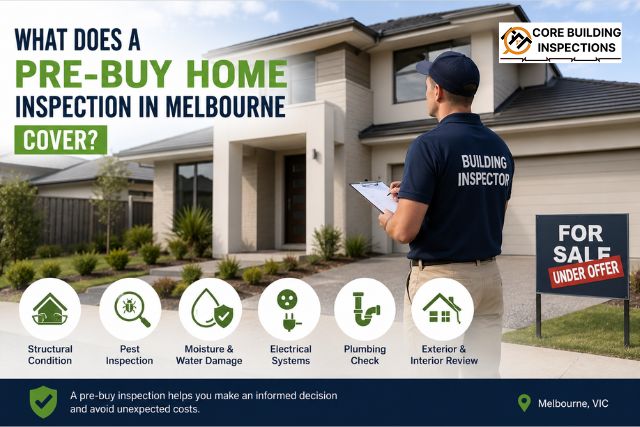
Purchasing a property in Melbourne is one of the most significant financial commitments you will ever make, whether you are bidding at a fast-paced weekend auction or negotiating a private sale. Beneath a fresh coat of paint and stylish staging, older weatherboards, brick veneer homes, and modern townhouses can conceal severe structural flaws, drainage failures, and safety hazards. Booking an independent Victoria pre-purchase house inspection before you finalize contracts is your best line of defense against unexpected repair costs. Because Victorian property transactions operate strictly under the legal principle of caveat emptor (let the buyer beware), the seller is not legally required to disclose hidden defects or pest infestations. A comprehensive pre-purchase evaluation provides an exhaustive, room-by-room assessment of the building’s overall condition, giving you the objective facts and leverage needed to negotiate repairs, adjust your offer, or walk away from a risky investment.
1. Structural Foundations and Subfloor Framing
The foundation is the most critical element of any dwelling. Foundation movement can cause uneven floors, cracked masonry, binding doors, and compromised roof lines. Inspectors drop into subfloor crawlspaces (where safe physical access permits) to evaluate timber stumps, brick piers, concrete footings, bearers, and joists. They look for timber rot, damp soil conditions, inadequate underfloor ventilation, and sagging timbers. For slab-on-ground properties, inspectors check for external perimeter cracking, slab edge dampness, and signs of differential settlement or slab heave.
2. Roof Cavity and Structural Framing
The roof void contains the structural skeleton that supports the entire ceiling and roof covering. A thorough check involves climbing inside the ceiling space to assess the structural integrity of timber trusses, rafters, collar ties, and ceiling joists. Inspectors look for cracked or sagging timbers, improper modifications made by previous trades, missing insulation batts, and evidence of historical or active roof leaks. They also check for proper sarking installation and inspect electrical wiring safety hazards that may be resting dangerously near structural timbers or insulation.
3. Roof Exterior, Gutters, and Drainage Systems
A damaged roof is one of the fastest routes to severe internal water damage. Using high-resolution optics or ladders, inspectors evaluate the roof exterior to check for cracked mortar bedding, chipped concrete tiles, rusted metal roof sheets, and loose ridge caps. Valley flashings, gutters, and downpipes are checked to ensure they direct stormwater away from the building footings. Poor site drainage or blocked downpipes allow water to pool near foundations, leading to subfloor dampness, foundation movement, and ideal breeding conditions for timber pests.
4. Internal Rooms, Walls, and Joinery
Inside the home, inspectors systematically review every room to evaluate general workmanship, plumbness, and structural movement.
-
Plasterwork and Ceilings: Checked for diagonal settlement cracks, nail pops, and water staining.
-
Doors and Windows: Tested for smooth operation, latching alignment, and sticking frames caused by structural settlement.
-
Flooring: Assessed for level alignment, bounce, squeaks, and dampness.
-
Cabinetry and Joinery: Kitchen, laundry, and bathroom cabinets are checked for secure mounting, drawer alignment, and hidden water leaks around sinks.
5. Wet Areas and Moisture Diagnostic Testing
Waterproofing failures in bathrooms, ensuites, and laundries are among the costliest residential defects to repair in Victoria. During a detailed Victoria pre-purchase house inspection, modern inspectors deploy non-invasive electronic moisture meters and thermal imaging cameras. These tools scan behind wall tiles, shower recesses, and vanity plumbing to detect concealed leaks, rising damp, and failing waterproof membranes long before visible water damage appears on adjacent plaster walls.
6. Comprehensive Timber Pest and Wood Decay Audit
In Victoria’s temperate climate, subterranean termites, wood-boring beetles, and fungal decay (wood rot) pose an ongoing threat to timber framing. Integrating a specialized Pre-purchase pest inspection Victoria buyers rely on ensures your timber framing is evaluated by a trained eye. Inspectors search for active termite mudding, hollowed skirting boards, borer exit holes, and external risk factors such as timber stored against exterior walls, wood mulch in garden beds, or covered weep holes in brickwork.
7. External Grounds, Outbuildings, and Safety Hazards
A complete evaluation extends beyond the four walls of the primary residence to evaluate the entire allotment:
-
Retaining Walls and Fencing: Checked for lean, structural integrity, and rot.
-
Driveways and Paving: Evaluated for severe trip hazards and drainage slopes directed toward the house.
-
Decks, Balconies, and Pergolas: Inspected for structural stability, correct timber fixings, rotting posts, and loose safety handrails.
-
Garages and Sheds: Evaluated for roof leaks, cracked slabs, and pest activity.
Quality Assurance with Core Building Inspections
When buying a home in Melbourne or regional Victoria, having independent, technical expertise on your side makes all the difference. Core Building Inspections delivers the rigorous oversight you need to make fully informed property decisions. Their team of Victorian Building Authority (VBA) registered building practitioners conducts comprehensive, integrated building and timber pest audits. Utilizing advanced thermal imaging cameras and precision moisture detection tools as standard on every review, they identify hidden defects, structural movement, and safety risks before your contract becomes unconditional. With clear, plain-English photographic reports delivered within 24 hours of site access, booking a professional Pre-purchase building inspection ensures you gain the transparent insights and contractual leverage needed to buy your next home with complete peace of mind.
Frequently Asked Questions:
Q: How long does a pre-buy home inspection take in Melbourne?
A thorough physical on-site inspection for a standard three-to-four-bedroom property typically takes between 1.5 to 2.5 hours, depending on the property’s size, age, and accessibility to roof voids and subfloors.
Q: Does a standard building inspection include plumbing and electrical testing?
Building inspectors perform visual and functional safety checks—such as testing tap water flow, checking visible pipe leaks, and identifying obvious wiring hazards. However, invasive electrical circuit testing and sewer camera scoping require specialized licensed trades.
Q: Can I attend the inspection while the inspector works?
Yes, most inspectors welcome buyers on site toward the end of the evaluation. This allows the inspector to walk you through major findings in person before delivering the full digital report.
Q: How quickly will I receive my written inspection report?
Most professional inspection firms deliver a detailed photographic report in plain English via email within 24 hours of completing the on-site assessment.