Top 10 Pre-Purchase Building and Pest Inspection Benefits

Termite and Pest Inspection in Victoria: Why It Matters
July 28, 2026
Expert Building Frame Inspection Victoria for New Homes
July 31, 2026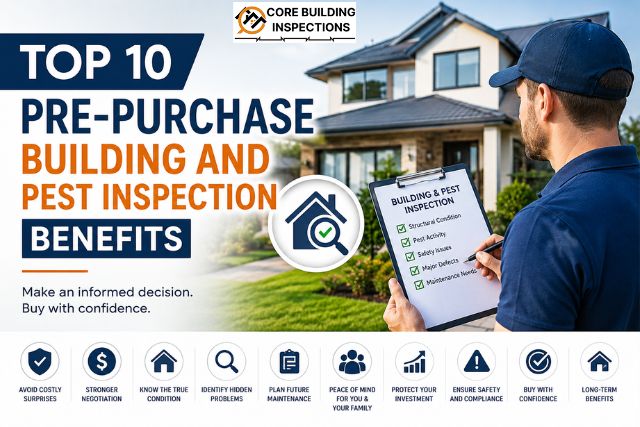
Purchasing real estate, whether it’s a family home in the suburbs, an apartment in the city, or an investment property in regional areas, is a major financial step. The real estate market demands thorough investigation. While touring homes can highlight features like layout, lighting, and design, these can mask serious issues like structural damage or pest infestations. In Australia, the principle of “buyer beware” applies to property transactions. Once a contract is signed or an auction bid is won, the buyer is responsible for the property’s condition, including any undisclosed problems. Hiring professional building and pest inspectors before you buy gives you an unbiased, detailed report on the property’s condition. Here are the top 10 advantages of getting a full inspection before you commit to buying.
1. Uncovers Hidden Structural Defects
A property’s structural frame is its most critical element. Foundation settlement, cracking concrete slabs, load-bearing timber decay, or sagging roof trusses can compromise the entire stability of a building. Rectifying major structural faults often requires complex engineering solutions, such as underpinning footings or replacing roof framing, which can quickly run into tens of thousands of dollars. An independent inspector methodically reviews the structural integrity of the home including footings, subfloor stumps, masonry walls, and ceiling voids ensuring you aren’t unknowingly purchasing a structurally compromised asset.
2. Detects Invisible Subterranean Termite Infestations
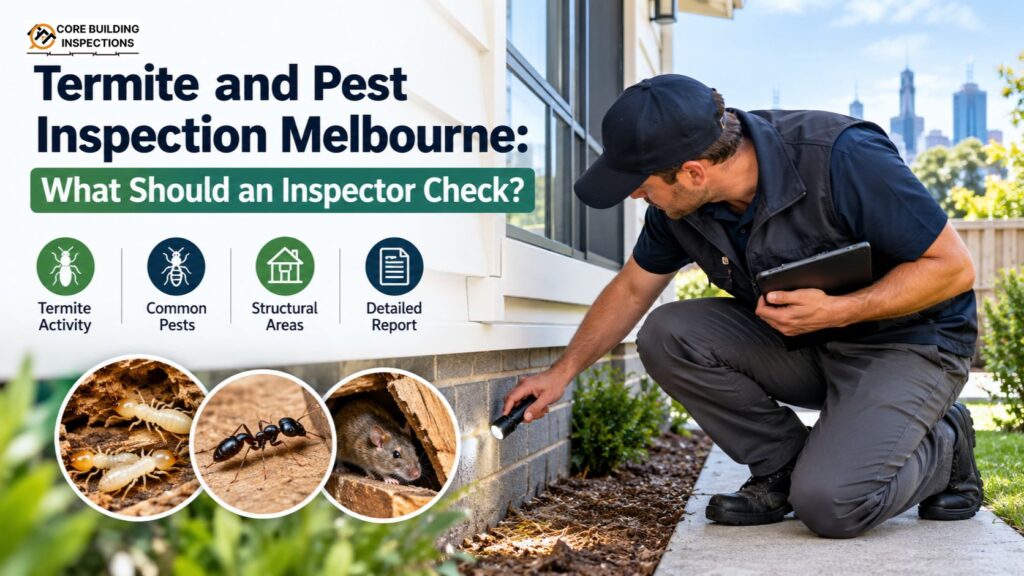
Subterranean termites feed silently on structural timber framing from the inside out, often leaving the surface paint or varnish completely intact. By the time a homeowner notices hollow-sounding door jambs, soft architraves, or sagging floorboards, severe structural destruction has usually taken place behind the plasterboard. In Australia, standard home building insurance policies almost universally exclude timber pest damage, viewing it as preventable maintenance. Booking a specialized Pre-purchase pest inspection Victoria home buyers rely on ensures that advanced diagnostic equipment such as non-invasive thermal imaging cameras and electronic moisture meters—is deployed to locate hidden colonies, historical frame damage, and high-risk moisture zones before settlement.
3. Identifies Costly Water Ingress and Waterproofing Failures
Water is one of a building’s most destructive elements. Failed shower tray membranes, leaking internal pipework, cracked roof tiles, or improper surface drainage can cause continuous moisture penetration into surrounding walls and subfloors. Over time, undetected water ingress rots structural timber studs, rusts steel connectors, causes plasterboards to swell, and creates ideal breeding conditions for toxic mold and termites. Inspectors utilize sensitive moisture meters behind bathroom tiles and around plumbing junctions to catch failing waterproofing systems before they lead to expensive bathroom strip-outs.
4. Maximizes Price Negotiation Leverage
An inspection report is not just a list of building faults it is a powerful legal and financial tool. When you are armed with an independent, photographic defect report, the balance of negotiation power shifts in your favor. If an audit uncovers major structural faults or active pest risks, your conveyancer or legal representative can use documented evidence to:
-
Request a direct purchase price reduction to cover estimated remediation costs.
-
Require the seller to complete specific repairs using licensed trades before final handover.
-
Exercise your contractual right to terminate a private treaty agreement (if bought under a subject-to-inspection clause) without losing your deposit.
5. Exposes Unpermitted DIY Alterations and Non-Compliant Work
It is common for previous owners to carry out uncertified DIY renovations, such as removing internal walls for open-plan living, building unapproved pergolas, converting garages into bedrooms, or installing illegal plumbing. If an unpermitted alteration violates local building regulations or the National Construction Code, local councils can issue compliance notices requiring the current owner to rectify or demolish the work. An expert inspector identifies non-compliant modifications and unapproved structures so you aren’t left carrying the legal liability and financial cost of someone else’s hasty work.
6. Spotlights Dangerous Electrical and Safety Hazards
Your family’s physical safety is paramount. Beyond structural stability, a comprehensive inspection screens the property for immediate safety hazards that could cause severe injury or property fires.
Inspectors evaluate accessible zones to highlight glaring safety concerns, including:
-
Missing or non-functional RCD safety switches and outdated fuse boxes.
-
Loose, low, or non-compliant balcony balustrades and staircase handrails.
-
Structurally compromised retaining walls at risk of collapse.
-
Exposed, unclipped electrical wiring in ceiling voids or subfloors.
-
Missing smoke alarms compliant with Victorian safety standards.
7. Evaluates Roof Architecture, Gutters, and Drainage
The roof is a property’s primary shield against weather elements, yet it is nearly impossible for a buyer to thoroughly check during a brief open home. Inspectors perform ladder-level and ceiling-void reviews to evaluate:
-
Tile condition, metal deck capping, and valley flashings for rust or unsealed joins.
-
Gutter pitch, debris buildup, and downpipe discharge connections.
-
Roof truss alignment, collar ties, and sarking integrity.
Identifying roof defects early prevents sudden interior ceiling collapses, ruined insulation, and severe water damage during heavy rainfall.
8. Provides Accurate Future Maintenance Budgeting
Every home, regardless of age, requires ongoing upkeep. A pre-purchase inspection report categorizes identified defects into immediate major structural repairs and minor secondary maintenance items (such as hairline plaster cracks, sticky doors, or aging sealant). Having a clear, itemized picture of necessary upkeep helps you budget realistically for post-settlement repairs. Knowing exactly what maintenance tasks lie ahead allows you to allocate funds effectively, ensuring minor wear-and-tear items don’t escalate into major structural issues down the track.
9. Offers Crucial Protection for Auction Bidders
Buying a property at auction in Victoria operates under strict legal parameters. Unlike private treaty sales, auction purchases carry zero cooling-off periods, and contracts become 100% unconditional the moment the auctioneer’s hammer falls. You cannot add a subject-to-inspection clause after winning a bid. Organizing a comprehensive Building and Pest Inspection in Melbourne prior to auction day allows you to bid with absolute clarity. If severe defects or active termite activity are discovered, you can adjust your maximum bidding limit downward or choose to walk away from a high-risk property before spending money on conveyancing or loan applications.
10. Delivers Complete Peace of Mind
The process of buying real estate can be emotionally overwhelming. Falling in love with a property’s aesthetics can cloud your judgment, leading to impulsive financial decisions. An independent building and pest report removes emotional bias from your purchase. Knowing that a registered professional has thoroughly audited the home from the subfloor crawlspace to the roof ridge gives you complete confidence that your life savings are going into a safe, structurally sound, and secure asset.
Secure Your Property Investment with Core Building Inspections
Protecting your life savings requires independent advocacy, technical expertise, and advanced diagnostic equipment. When navigating the real estate market, Core Building Inspections provides the uncompromising due diligence you need to make risk-free property investment decisions. Their team of Victorian Building Authority (VBA) registered building practitioners conducts integrated structural and timber pest assessments designed to protect your financial interests. By deploying high-resolution thermal imaging cameras and digital moisture sensors on every review, they identify hidden defects, water ingress, and termite activity before your contract becomes final. With clear, plain-English photographic reports delivered directly to your inbox within 24 hours of site access, you get the objective facts and leverage needed to buy with total confidence.
Frequently Asked Questions:
Q: What is the difference between a building inspection and a pest inspection?
A building inspection focuses on the structural health, foundation stability, construction quality, and safety hazards of a home. A timber pest inspection specifically checks for subterranean termites, wood-decay fungi (timber rot), borer activity, and environmental risk factors that attract pests.
Q: How long does a pre-purchase building and pest inspection take?
For a standard three-to-four-bedroom residential home, an on-site physical evaluation takes between 1.5 and 2.5 hours. The duration depends on property size, age, site accessibility, and subfloor or roof void conditions.
Q: Can I use an inspection report to negotiate the purchase price?
Yes. If major structural defects, failing waterproofing, or active pest infestations are uncovered, your conveyancer or legal representative can present the written photographic report to negotiate a price reduction or require the seller to fix issues before settlement.
Q: Who pays for a pre-purchase building and pest inspection?
The prospective buyer pays for the inspection. Because the inspector is hired directly by you, they act as your 100% independent advocate, providing an unbiased assessment free from vendor or real estate agent influence.