Top Benefits of a Pre-Purchase Building Inspection

Building Slab Inspection in Melbourne for New Home Builds
July 3, 2026
Melbourne Building Inspector with 10+ Years Experience
July 12, 2026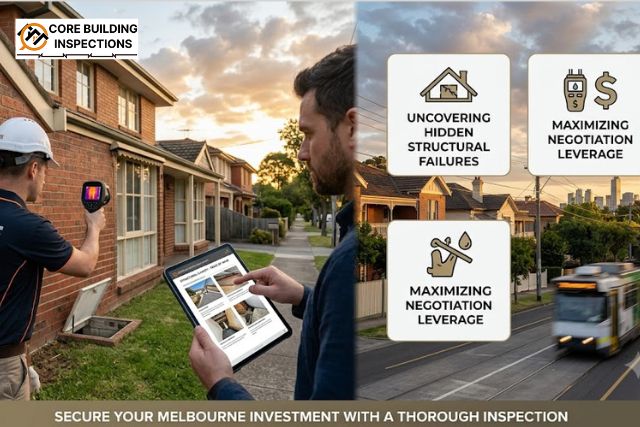
Buying a home is easily one of the most significant emotional and financial milestones you will ever experience. Walking through an open house, it is incredibly easy to fall in love with polished stone kitchen island benches, beautifully staged open-plan living zones, and freshly painted feature walls. However, beneath that pristine surface, a property can hide serious structural flaws that the untrained eye would never notice. Without an objective, technical evaluation of the asset, your dream home can quickly turn into a financial nightmare. Investing in a professional Pre-purchase building inspection ensures you look past the cosmetic staging and understand the true physical condition of the property. This structural clarity provides the ultimate peace of mind before you sign a binding contract.
1. Uncovering Hidden Structural Failures Before Settlement
The primary goal of a property inspection is to evaluate the hidden structural skeleton of the building. Standard real estate viewings are designed to showcase cosmetic appeal, which can easily mask deep structural damage. Issues like sagging roof frames, cracked concrete slabs, deteriorating timber joists, and shifting foundations are frequently covered up by clever styling, temporary timber patches, or thick layers of fresh paint. A qualified building inspector looks closely at these hidden areas, crawling deep into dark subfloor spaces and entering hot roof cavities to inspect the structural framing. Identifying significant structural faults early prevents you from accidentally buying a home that requires tens of thousands of dollars in emergency foundation underpinning or structural roof bracing down the track.
2. Revealing Missing Subfloor Ventilation and Rising Damp
Moisture is arguably the most destructive natural element a building can face. Left unchecked, subfloor moisture can quietly rot out structural floor timbers, ruin internal plasterboard walls, and create toxic environment zones by feeding black mold colonies. During standard weekend open homes, damp problems are often masked by running industrial dehumidifiers, lighting scented candles, or applying specialized stain-blocking paint over wet patches. A rigorous technical evaluation relies on advanced moisture meters and thermal imaging technology to track down hidden water leaks. The inspector checks the subfloor space to ensure the property has adequate cross-ventilation, maps out failing damp-proof courses, and identifies areas prone to rising damp. Pinpointing these moisture issues early allows you to accurately budget for required drainage repairs or subfloor ventilation upgrades before finalizing the sale.
3. Detecting Dangerous, Outdated Electrical Wiring and Plumbing Systems
While a home’s cosmetic styling might look perfectly modern, its underlying infrastructure could be decades old and structurally failing. Outdated electrical systems, such as old rubber-insulated wiring or degraded fuse boxes, pose a severe, invisible fire hazard to your family. Similarly, legacy galvanized iron water pipes or cracked earthenware sewer lines hidden deep underground can slowly leak water, leading to localized soil movement and severe foundation cracking. A comprehensive pre-buy assessment looks closely at these vital infrastructure services. The inspector checks the switchboard for modern safety switches, evaluates the visible water pressure lines, and checks for slow drops in the drainage network. Finding these hidden defects ensures you do not move into a home that needs an immediate, highly invasive electrical rewiring or an emergency underground sewer line replacement.
4. Protecting Your Health from Toxic Asbestos and Hidden Mold
Beyond safeguarding your financial capital, a comprehensive property inspection serves as a critical shield for your family’s physical health. Buildings constructed or heavily renovated before the late 1980s frequently contain asbestos-based building products hidden inside internal wet-area wall linings, external eaves, or subfloor insulation systems. If these materials are disturbed during future home renovations, they release highly dangerous fibers into the air. Furthermore, poor insulation or hidden plumbing leaks can breed large, toxic mold colonies behind plasterboard walls and ceilings, triggering severe respiratory issues and allergies for your loved ones. A professional building inspector knows exactly how to spot materials that likely contain asbestos and can locate hidden mold breeding grounds. This vital health information allows you to make an informed, safe decision about whether the property is truly safe for your family to occupy.
5. Maximizing Your Financial Leverage in Contract Negotiations
When you receive a detailed, evidence-based building condition report, you gain a powerful financial tool for price negotiations. If the inspector uncovers serious defects such as a leaking roof, a cracking boundary retaining wall, or a failing hot water system you do not necessarily have to walk away from the purchase entirely. Instead, you can use the official report to negotiate a fair price reduction. With a professional document detailing the exact scope of the defects, you can request that the vendor lower the purchase price by the estimated cost of the repairs before contracts become unconditional. Alternatively, you can include a specialized condition in the contract requiring the seller to fix the specified defects using qualified tradespeople before settlement day. This evidence-based approach ensures you never pay top dollar for a home that requires immediate structural maintenance.
6. Navigating Victoria’s Strict Pre-Purchase Structural Regulations
Property buyers across the state of Victoria face a unique real estate market characterized by competitive public auctions and binding private sales. Under Victoria’s strict legal framework, the traditional rule of caveat emptor (buyer beware) places the entire responsibility of checking a home’s physical condition squarely on the buyer. Once the hammer falls at a public auction, or the three-day cooling-off window closes on a private contract, you are legally locked into purchasing the asset exactly as it stands. Because of these tight legal timelines, securing a comprehensive Victoria pre-purchase house inspection is a critical safety step. A localized building report ensures the property is thoroughly checked against Australian Standard AS 4349.1. This means the building’s structural integrity, site drainage, external outbuildings, and overall safety hazards are completely verified before you make a legally binding financial commitment.
7. Elevate Your Property Confidence with Core Building Inspections
Buying a property safely requires an independent, highly detailed inspection company that treats building science as an exact discipline. At Core Building Inspections, we have built our professional identity on providing premier, stress-free property assessments across Melbourne and the wider Victorian region. We ensure your financial capital and family safety are completely protected by audited standards of inspection excellence. When you reserve your comprehensive Pre-buy home inspection Melbourne through our booking platform, your real estate investment is backed by our strict commitment to quality:
-
Fully Licenced and Insured Inspectors: Our team consists entirely of highly experienced, registered builders who possess a deep, practical understanding of modern construction codes and structural engineering principles.
-
Advanced Thermal Imaging Technology: We do not rely solely on visual checks. Our inspectors deploy high-precision thermal imaging cameras and electronic moisture meters to locate hidden leaks, missing insulation, and structural faults hidden deep inside walls.
-
Ultra-Fast, Easy-to-Read Reports: We respect your tight contract timelines. Every detailed digital inspection report is compiled and delivered within 24 hours of the site visit, complete with clear color photographs and straightforward, jargon-free explanations of every single defect found.
Frequently Asked Questions:
1. Can a pre-purchase building report be used to legally walk away from a private sale contract?
Yes. If you include a dedicated, professionally drafted “subject to a satisfactory building and pest inspection” clause in your initial contract of sale, you maintain a legal right to terminate the contract and receive your full deposit back if the independent inspector uncovers major structural defects or active pest issues.
2. How long does a thorough, professional building inspection take on-site?
For a standard three-to-four-bedroom residential home, a comprehensive structural evaluation typically requires between 2 to 3 hours on-site. This dedicated window gives the inspector ample time to enter the roof space, crawl throughout the subfloor framework, test the moisture levels, and document every safety hazard properly.
3. Do you check external garden structures, fences, and site drainage systems during the audit?
Yes, absolutely. A complete building assessment goes well beyond the main internal walls. Our inspectors evaluate the safety of boundary fences, check the stability of external retaining walls, inspect garden sheds or detached carports, and evaluate the overall slope of the block to ensure surface water drains away from the foundations correctly.
4. Why should I avoid low-cost, unlicenced inspectors for my property evaluation?
Low-cost, unlicenced inspectors often lack the essential trade experience and professional indemnity insurance required to protect you if they miss a major defect. By choosing an experienced, fully registered builder, you ensure your property report is accurate, legally robust, and fully compliant with strict Australian standards.