Benefits of Getting a Pre-Purchase Building Inspection

What Is Included in a Pre-Settlement Inspection in Victoria?
June 25, 2026
Why Choose Professional Pest Inspection Service Melbourne
June 30, 2026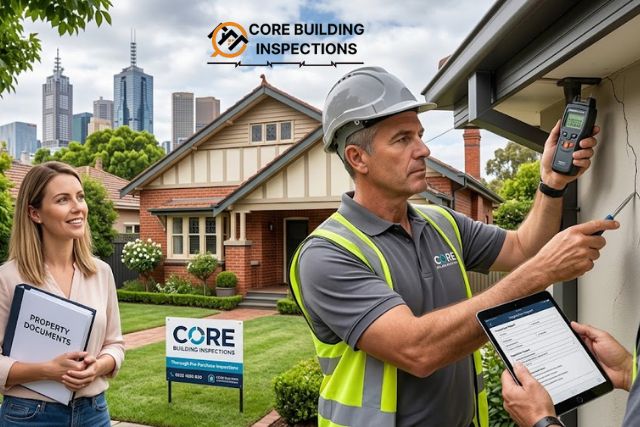
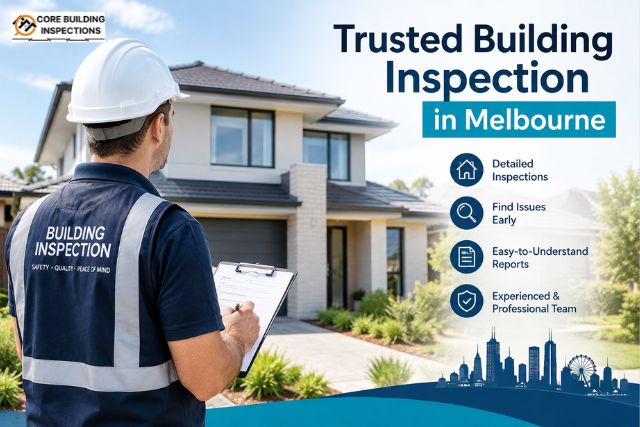
Buying a home is one of the most exciting milestones you will ever experience, but it is also one of the largest financial commitments you will make in your lifetime. Whether you are stepping into the property market for the very first time, upgrading to a larger space for a growing family, or expanding a wealth-generating investment portfolio, the entire process is a whirlwind of open-house inspections, financial calculations, and emotional decisions. When you walk through a beautifully staged property on a sunny Saturday afternoon, it is incredibly easy to fall in love with the high ceilings, the freshly polished floorboards, or the modern kitchen layout. However, beneath that flawless surface can lie a completely different story. Fresh coats of cosmetic paint, strategically placed furniture, and clever interior design can easily hide severe underlying structural flaws, electrical hazards, and plumbing failures from casual buyers. Because the real estate market operates firmly under the legal principle of caveat emptor or buyer beware the responsibility of identifying these hidden liabilities falls entirely on your shoulders before the contracts become unconditional. Arranging an independent property assessment before you finalize the purchase is your ultimate safety net, ensuring you know exactly what you are paying for.
Uncovering Hidden Structural Faults and Defects
The primary reason to invest in a professional property check is to uncover serious structural problems that are invisible to an untrained eye. Houses are complex systems of load-bearing timber frames, concrete footings, brickwork, and roofing trusses that all must work together to remain safe and stable. Over decades, natural ground shifting, poor initial construction workmanship, or a lack of maintenance can cause these systems to fail. A qualified structural expert looks far past cosmetic updates to evaluate the building’s core stability. They check for deep masonry cracks, uneven floors, sagging rooflines, and dropping floor stumps that suggest foundation movement. Identifying a failing foundation or a sinking concrete slab before settlement prevents you from walking blindly into a financial disaster. Fixing these types of structural issues down the track often requires invasive, high-risk underpinning or structural re-stumping that can cost tens of thousands of dollars out of pocket.
Navigating Specific Regional Property Risks
Depending on where you are looking to buy, residential properties face distinct environmental and geological challenges that dictate their long-term health. For instance, buyers looking closely at the metropolitan market must navigate specific regional risks, which makes booking a specialized Pre-buy home inspection Melbourne audit highly essential. Large geographical zones across the northern and western suburbs feature highly reactive volcanic basalt clay soils. This particular soil profile acts like a giant sponge expanding significantly during wet winter periods and shrinking heavily during dry summer droughts. When perimeter stormwater drainage is poorly managed on reactive clay, the uneven ground movement triggers a destructive process known as slab heave. This upward movement cracks concrete foundations, warps internal framework, and leaves permanent step-cracking along external brick veneer walls. In older inner-city suburbs, heritage brick terraces and weatherboard cottages face different risks, such as decaying timber stumps, rising dampness from failed moisture barriers, and worn-out roofing iron. A local building specialist knows exactly how to read these subtle regional red flags, protecting your hard-earned capital from hidden localized property failures.
Identifying Invisible Moisture Ingress and Water Damage
Water is one of the most destructive forces a residential building can face. Left unchecked, hidden moisture ingress can silently rot internal structural timber framing, destroy expensive plaster ceilings, ruin flooring, and encourage the growth of toxic black mold. The worst part about water damage is that it usually occurs behind closed walls or beneath floorboards, meaning it can go unnoticed for months until severe damage has already taken place. During a professional property evaluation, inspectors utilize advanced non-invasive diagnostic tools, such as high-sensitivity thermal imaging cameras and electronic moisture meters, to trace hidden dampness. They pay close attention to internal wet areas like bathrooms, kitchens, and laundries, checking for failed tiling waterproofing membranes that allow water to leak directly into the wall voids. They also inspect the ceiling cavity for active under-roof leaks, rust-damaged valleys, and blocked gutters that could cause rainwater to overflow back into the home’s eaves during heavy storms.
Protecting Your Timber Framework Against Termites
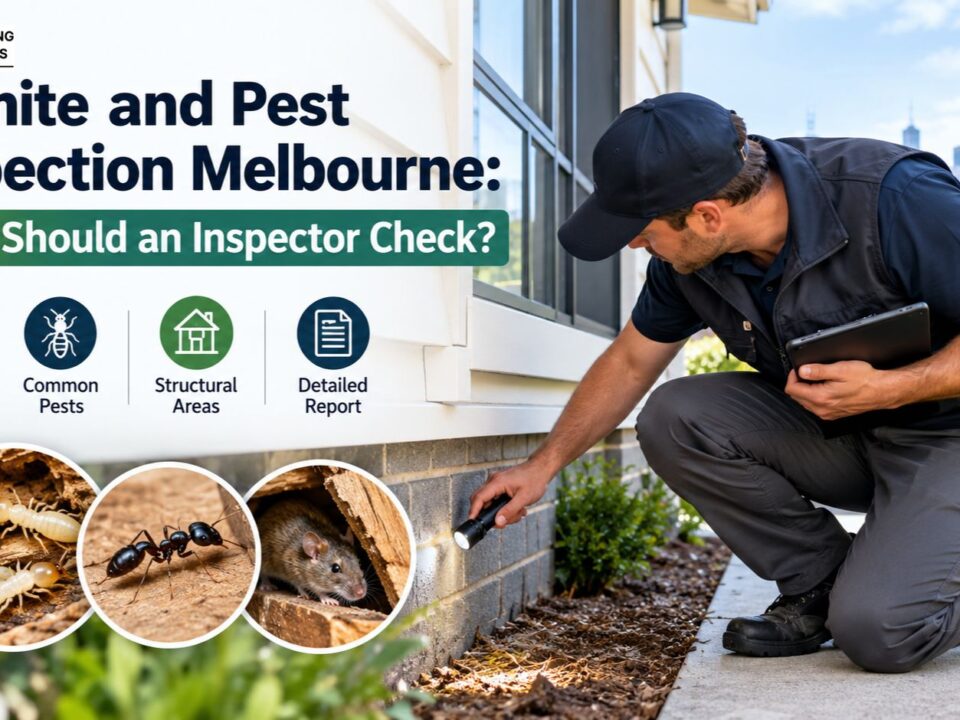
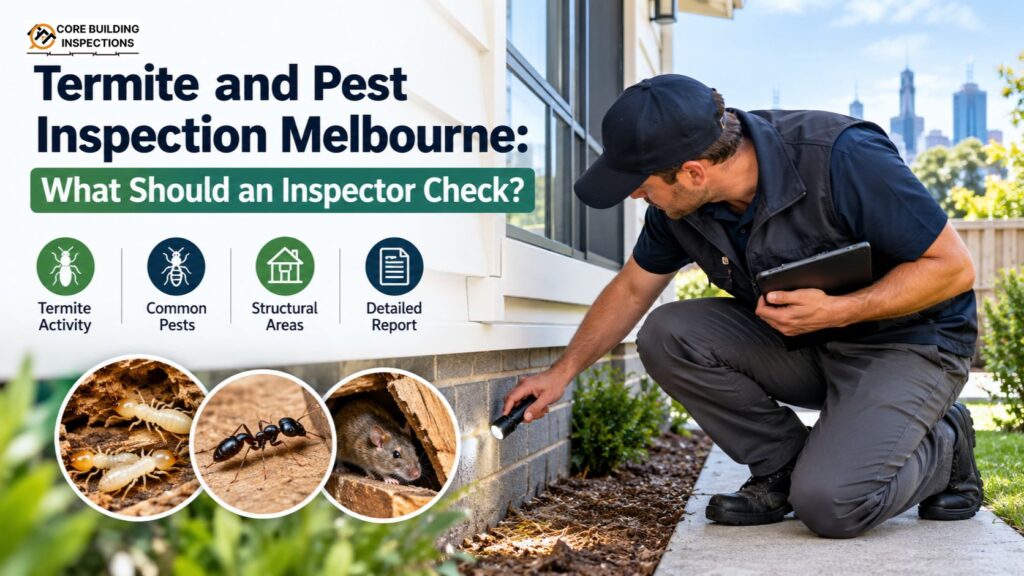
While checking the concrete and masonry foundation is vital, structural movement is not the only threat that can compromise a home from the inside out. Victoria’s seasonal climate, combined with widespread timber-framed construction, creates the perfect environment for wood-destroying insects. Subterranean termites are incredibly destructive pests that travel silently from underground nests through mud tracking tubes to feast on cellulose-rich wall studs and roof trusses. Because they hollow out timber framing from the inside out while leaving the exterior surface intact, a home can look perfectly sound even when its structural core is severely compromised. By ensuring your property assessment includes a comprehensive Pre-purchase pest inspection Victoria buyers can find out exactly what is happening inside the timber frame. Certified timber pest technicians use advanced acoustic detection tools and thermal sensors to locate hidden colonies, trace past borer damage, and identify active wood-decay fungi. They also evaluate external risk factors, such as poor subfloor ventilation, leaking garden taps, or garden mulch piled directly against brick weep holes, which actively invite termites into the property. Catching these biological threats early saves you from inheriting an unstable timber structure that is incredibly expensive to repair.
Budgeting Accurately for Immediate and Future Repairs
Receiving an inspection report that contains a list of building defects should not immediately cause panic or force you to walk away from a home you love. No property is completely perfect, and every building requires ongoing maintenance and eventual repairs. The real value of a professional report is that it removes all guesswork, giving you a clear, itemized roadmap of the property’s actual condition. The report separates minor cosmetic blemishes, like hairline plaster cracks or peeling paint, from major structural hazards that require immediate professional attention. Armed with this detailed information, you can obtain accurate repair quotes from licensed tradespeople before settlement. This transparency allows you to budget realistically for upcoming maintenance or adjust your final purchase offer to reflect the true cost of bringing the home back up to scratch.
Gaining Powerful Contractual Leverage for Price Negotiations
Investing in an independent property check provides immense financial and legal leverage when you are negotiating with vendors and real estate agents. A comprehensive, photographic digital defect register serves as an unbiased mirror of the home’s actual condition, completely cutting through optimistic real estate marketing spin. When your conveyancer or solicitor is armed with an independent assessment detailing major defects or safety hazards, the balance of power shifts in your direction. You can use the report’s evidence to negotiate a direct price reduction from the vendor to cover the cost of repairs, or add a special contract condition requiring the seller to fix specific faults via a licensed builder before settlement day. Alternatively, if the repair bills are simply too high or the vendor refuses to cooperate, a building clause gives you the clear legal grounds needed to exit the contract entirely with your deposit fully intact.
Why Choose Core Building Inspections to Protect Your Investment
When it comes to safeguarding your family’s future, you need an independent professional team that prioritizes technical accuracy and customer care. Core Building Inspections stands out as Victoria’s trusted name for independent property due diligence. Every single building and pest assessment we conduct is executed by fully qualified, insured construction practitioners officially registered with the Victorian Building Authority (VBA). This registration ensures your completed digital report carries full legal weight and complies completely with Australian Standard AS 4349.1-2007. We maintain absolute strategic independence from real estate networks, volume builders, and finance brokers, meaning we work strictly for you the property buyer. Because real estate markets move rapidly, our streamlined framework guarantees a rapid 24-hour digital turnaround. We deliver an itemized, clear plain-English report with high-resolution photography straight to your inbox within 24 hours of finishing our on-site physical survey, giving your legal team the clear evidence needed to negotiate with absolute confidence.
Frequently Asked Questions
Q: What happens if a pre-purchase building check reveals major structural faults?
If the report uncovers major structural faults, your legal conveyancer can use the document to negotiate a lower purchase price, request the vendor repair the issues before settlement, or terminate the contract entirely to save your deposit under the building inspection clause.
Q: Can a real estate agent or vendor refuse to allow an independent inspection?
No, a vendor cannot refuse access if you have included a standard “subject to building and pest inspection” clause in your signed Contract of Sale. This clause legally entitles your nominated independent inspector to access the property within the designated timeframe.
Q: How long does a standard residential property inspection take on-site?
On average, our licensed VBA inspectors spend between 1.5 to 3 hours thoroughly examining a standard residential property on-site. This time can vary slightly depending on the size of the home, its age, and how accessible the roof cavity and subfloor crawlspaces are.
Q: Should I rely on a building report provided directly by the vendor?
No, it is always recommended to arrange your own independent report. A vendor-supplied report may carry a conflict of interest or lack the necessary professional indemnity insurance protection that covers you as the eventual buyer if a major defect was missed.
Finalize Your Property Purchase from a Position of Absolute Strength
Do not leave the structural security of your largest financial investment to visual guesswork, clever staging, or a rushed open-house walk-through. Ensure your new home is safe, sound, straight, and fully code-compliant before you buy. Secure your absolute peace of mind by booking your comprehensive property audit today with Core Building Inspections.