Does a Pre-Buy Home Inspection Include a Pest Check?

Ultimate Guide to Booking Building Inspections in Melbourne
February 17, 2026
2-in-1 Protection: Pre-Purchase Building & Pest Inspection Victoria
February 19, 2026
So, you’ve found what seems like the perfect house maybe a cute cottage in a green Melbourne suburb or a stylish, modern family home in a developing area. The kitchen’s been redone, the floors look great, and the yard is beautiful. You’re all set to sign the papers.
But before you jump into a 30-year mortgage, you do the smart thing and schedule a building inspection. You probably think that if the inspector gives the house a good review, it means everything is in good shape, and there won’t be any unpleasant surprises.
Here’s something you should know: Usually, a pre-buy home inspection Melbourne doesn’t include checking for pests.
This is a common and potentially costly misunderstanding in the Australian housing market. Many buyers think a general inspection covers everything, including those pests that can cause damage from inside the walls. Sadly, if you only depend on a standard building report, you might not know about a termite problem that could cost a lot to fix.
This guide explains what these inspections cover, why they are different, and shows why doing both is the best way to protect your purchase.
The Difference Between “Building” and “Pest”
To understand why these are often separate services, we need to look at what an inspector is actually looking for.
1. The Standard Building Inspection
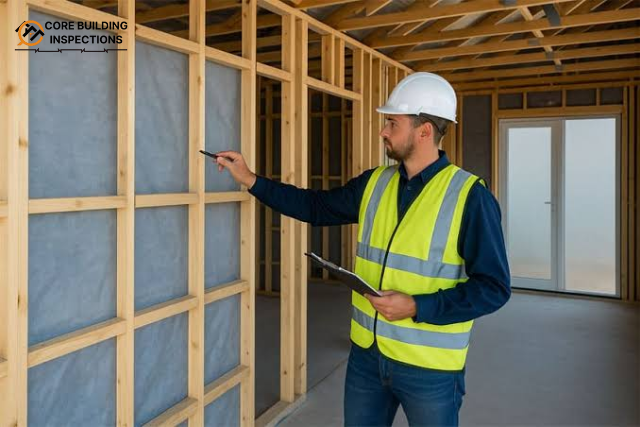
When you book a standard inspection, the inspector is focused on the physical condition of the building’s structure and safety. They are looking for defects that compromise the integrity of the house.
A typical building inspection focuses on:
-
Structural Issues: Cracks in the foundation, leaning walls, or sagging roof lines.
-
Moisture: Rising damp, leaking showers, or poor drainage around the house.
-
Safety Hazards: Asbestos (visual identification), loose balustrades, or dangerous steps.
-
Roofing: Broken tiles, rusted valleys, and guttering issues.
-
The “Bones”: The condition of the sub-floor and the roof void.
While a building inspector might note visible termite damage if they stumble across it (for example, if a skirting board has been eaten away), their primary job isn’t to detect live insect activity. They are there to check if the building is standing up, not to hunt for bugs.
2. The Timber Pest Inspection
A pest inspection is a forensic investigation into biological threats. It is a specialized check carried out by an inspector who is trained to detect timber-destroying organisms.
They are looking for:
-
Subterranean Termites: The number one threat to Australian homes.
-
Borers: Beetles that eat into timber flooring and furniture.
-
Wood Decay Fungi: Rot caused by moisture that weakens timber structures.
-
Conducive Conditions: Environments that attract pests, such as wood-to-ground contact or leaking pipes in the sub-floor.
If you skip this specific check, your building report might say the walls are “straight and true,” while failing to mention that the timber studs inside those walls are currently being hollowed out by a termite colony.
Why Melbourne Homes Are at High Risk
You might think, “I’m buying a brick house, so I don’t need to worry about termites.”
Wrong.
Termites don’t eat bricks, but they do eat the timber frame that holds the roof up, the floorboards you walk on, and the skirting boards around the room. Even steel-framed homes often have timber trusses, door frames, or cabinetry that are vulnerable.
Victoria has several termite species that are highly active, particularly in leafy suburbs and areas with moist soil. The combination of Melbourne’s variable climate and the older style of construction (like suspended timber floors with poor ventilation) creates a perfect “all-you-can-eat buffet” for pests.
This is particularly important for a pre-buy home inspection residents rely on, given the age of many Victorian terraces and weatherboard cottages. These homes often have damp sub-floors—a termite’s favorite environment. Without a specific pest check, you are effectively gambling that the previous owners managed their termite protection perfectly.
The Danger of the “Visual Only” Inspection
One of the reasons buyers get caught out is that termites are secretive. They don’t walk around in the open; they travel through underground mud tunnels and eat timber from the inside out.
A wall can look perfectly normal to the naked eye. The paint might be pristine. But behind the plasterboard, the timber stud might be reduced to a paper-thin shell.
A specialized pest inspector doesn’t just “look.” They use specific tools to detect what the eyes can’t see:
-
Tapping Sticks (Dongers): To sound out hollow timber.
-
Moisture Meters: Termites bring moisture into the walls to survive. High moisture readings in a dry wall are a massive red flag.
-
Thermal Imaging Cameras: These can detect the heat generated by a large termite nest hiding behind a wall cavity.
Unless you have booked a dedicated service that utilizes these tools, you aren’t getting the full picture.
The Solution: The Combined Inspection
So, how do you ensure you are covered? The smartest approach is to book a combined pre-purchase building and pest inspections.
This involves having both checks done simultaneously (often by two specialists or one dual-qualified inspector). It provides a holistic view of the property. For example, if the building inspector finds a leaking shower, the pest inspector knows that the moisture from that leak makes the adjacent wall a high-risk zone for termite activity. They work together to connect the dots.
This is where a dedicated termite and pest inspection Melbourne experts provide becomes crucial. By layering the pest check over the structural check, you get a “health report” for the house that covers both illness (pests) and injury (structural defects).
Why It Saves You Money
Yes, a combined inspection costs slightly more than a standalone building inspection—usually an extra $150 to $300 depending on the provider.
However, compare that to the cost of termite repairs.
-
Average cost of a combined inspection: ~$500 – $800.
-
Average cost of termite damage repair: $7,000 – $100,000+.
Furthermore, standard home and building insurance does not cover termite damage. If you buy a house and find termites a month later, the repair bill is 100% on you. The “savings” of skipping the pest check are simply not worth the risk.
What If Pests Are Found?
Finding pests doesn’t necessarily mean you shouldn’t buy the house. In fact, finding them before you settle is the best-case scenario.
If your report comes back showing termite activity or previous damage, you have options:
-
Negotiate: You can ask the seller to pay for the treatment and repairs.
-
Lower the Price: You can reduce your offer by the estimated cost of the remediation.
-
Walk Away: If the structural damage is severe (e.g., roof trusses are compromised), you can withdraw from the sale without penalty, provided your contract was subject to a building and pest inspection.
Finding a reliable pest Inspection service Melbourne can be the difference between a secure investment and a money pit. They provide the evidence you need to negotiate effectively.
Why Choose Core Building Inspections?
At Core Building Inspections, we believe that knowing half the truth isn’t enough. You need the whole story.
We understand the confusion buyers face, which is why we specialize in comprehensive Combined Building & Pest Inspections. We don’t want you to have to coordinate two different companies or read two conflicting reports.
When you book with Core, you get:
-
Dual-Qualification: Inspectors who understand both structural engineering principles and timber pest biology.
-
Advanced Technology: We utilize thermal imaging and moisture detection on every inspection to see what the naked eye misses.
-
Clear Reporting: No jargon. Our reports tell you clearly: Is there activity? Is there damage? What should you do next?
-
Independence: We work for you, not the real estate agent. Our goal is to protect your financial future.
The Bottom Line
Does a pre-buy home inspection cover pests? Not usually.
If you’re buying in Victoria, ask for a Combined Building and Pest Inspection. It’s the only way to be sure your biggest investment isn’t being eaten by pests.
Don’t be fooled by a good building report alone. Be smart. Check the building and check for pests, so you can move in worry-free. Ready to book an inspection? Reach out to Core Building Inspections today and make sure your dream home is safe and pest-free.