
Pre-Settlement Inspection in Victoria: The Ultimate 10-Point Checklist

pre-settlement inspection in Victoria: 10 Things to Check Now
May 10, 2026
Pre-Buy Home Inspection Melbourne: 5 Easy Things to Check
May 18, 2026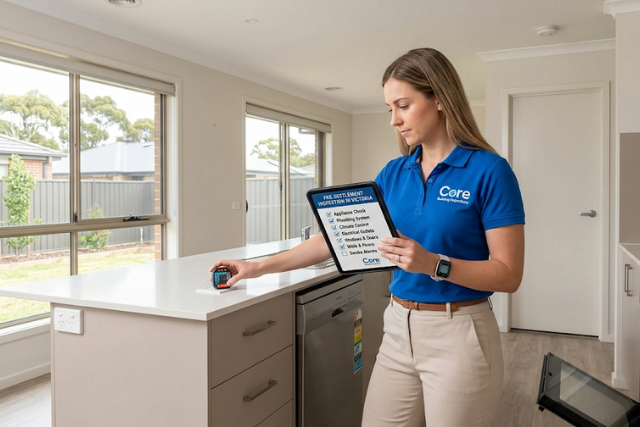
The final week before property settlement is an exhilarating whirlwind of packing boxes, signing bank documents, and organizing utility connections. Yet, amidst the rush of preparing for your move, there is one critical window of opportunity that you cannot afford to overlook: the final walkthrough. A pre-settlement inspection in Victoria is your legal right and your final opportunity to ensure that the property you are about to pay hundreds of thousands of dollars for is exactly what you agreed to buy. With Victorian repair costs and specialist labor trades at an all-time high, stepping into your new home with an organized, rigorous plan is the absolute best way to insulate your bank account from unexpected, immediate maintenance headaches.
The Legal Framework of the Final Walkthrough
Under standard Victorian Contract of Sale regulations, a vendor is legally obligated to hand over the property in the same condition it was in on the day the contract was signed, fair wear and tear excepted. However, the exact definition of “fair wear and tear” can become an intense point of friction during the high-stress final days of a property transaction. Many buyers mistake this walkthrough for a casual aesthetic viewing, failing to check the mechanical systems, structural changes, and fixtures hidden out of plain sight. If a property has suffered damage during the vendor’s moving out process, or if specialized systems have failed since your initial viewing, this inspection provides the precise technical evidence your solicitor needs to request a withholding of funds or a rapid repair. Utilizing a trusted pre settlement inspection service guarantees that this technical and structural compliance review is handled with professional precision rather than guesswork.
1. The Contractual Inventory: Fixtures and Fittings
Your first priority when crossing the threshold should be verifying that all inclusions and fixtures outlined in your contract remain safely on the property. In Melbourne’s competitive residential market, it is remarkably common for misunderstandings to occur regarding what stays and what goes. Ensure that items like designer light fixtures, specific kitchen appliances, window furnishings, and outdoor ornamental plants have not been removed or swapped for cheaper alternatives. During a thorough pre settlement inspection Melbourne buyers should systematically cross-reference every physical space with the contract’s written schedule of inclusions, noting any missing items like garage door remotes, climate control controllers, or built-in outdoor kitchen accessories.
2. Appliances and Culinary Hardware
Do not take it for granted that cooking appliances are operational simply because they look clean and polished. Turn on every individual burner on the stovetop, test the oven’s heating elements, and verify that the rangehood exhaust and integrated lighting function perfectly. If a dishwasher, microwave, or built-in espresso machine is included in the asset sale, run a brief test cycle to confirm that electrical components and internal pumps are responsive. Because replacing specialized, modern kitchen appliances can easily burden a new homeowner with thousands of dollars in unexpected costs, testing these units under load is a foundational step of your checklist.
3. Climate Control and Ducted Ventilation
Victoria’s volatile, fast-changing weather patterns mean that a reliable climate control system is an absolute necessity for both safety and lifestyle comfort. Systematically activate the ducted heating, central split-system units, and evaporative cooling arrays, allowing them to run continuously for several minutes. Pay close attention to the airflow velocity, check that the air temperature emerging from the vents accurately reflects your thermostat settings, and listen intently for any grinding, rattling, or struggling sounds from external compressors. Identifying a seized motor or a cracked heat exchanger now gives you the legal leverage to address the failure before settlement, rather than inheriting an expensive emergency repair bill on your first winter night.
4. Plumbing Integrity, Pressure, and Drainage
Go to every bathroom, kitchen, and laundry zone to test the plumbing infrastructure under maximum pressure. Turn on multiple taps simultaneously to observe the water pressure, verify that hot water is delivered consistently, and ensure that drains clear water efficiently without gurgling or backing up. While the water is running, open the cabinetry beneath the basins and inspect the visible pipework using a flashlight to look for fresh drips, pooling water, or hidden water damage. Because water ingress and internal leaks remain a leading structural issue in Victorian properties, this simple test can reveal latent issues hidden behind timber veneers.
5. Electrical Safety and Outlets
Bring a small, low-voltage electronic device—such as a standard mobile phone charger—to test individual power outlets across the home’s main living zones. Flick every wall switch to confirm that interior and exterior light fixtures respond instantly. Before wrapping up your electrical sweep, take a look at the main switchboard panel to ensure there are no signs of scorching, electrical buzzing, or frequently tripped safety switches. A faulty circuit or degraded wiring is a major safety hazard that should be rectified immediately by a licensed professional.
6. Structural Operation: Windows and Doors
Open, close, and lock every window and door in the house to test its structural alignment. In many regions of Victoria characterized by highly reactive clay soils, shifting ground foundations can cause structural timber frames to warp or sag, causing doors and window sashes to stick or jam tightly in their frames. Check that all security screens are intact, that keys are provided for all window locks, and that sliding patio doors glide smoothly along their tracking tracks without excessive friction.
7. Post-Furniture Wall and Floor Inspection
Now that the vendor’s heavy furniture, oversized rugs, and wall art have been entirely cleared from the property, you have your very first unobstructed look at the true condition of the interior surfaces. Inspect the plaster walls for any new, deep structural cracks, or large holes punched into the drywall during the chaotic furniture removal process. Examine the carpets for recent, severe stains and look over polished floorboards for fresh, deep gouges that exceed standard, expected wear and tear.
8. External Perimeters, Sheds, and Fences
Walk the outer boundaries of the allotment to evaluate the integrity of perimeter fences, retaining walls, and access gates. Step inside any detached garden sheds, workshops, or garages to ensure that the vendor has not left behind stockpiles of old paint cans, car tires, broken building materials, or hazardous chemicals. Standard Victorian settlement conditions specify that a property must be handed over in a reasonably clean, debris-free state, meaning you are completely within your rights to request the removal of abandoned waste.
9. Drainage, Gutters, and Rooflines
Conduct a careful visual sweep of the exterior roofline and gutter systems from ground level. Look closely for sagging gutters, disconnected downpipes, or cracked roof tiles that may have been damaged by recent weather events or falling tree branches. Ensuring that stormwater management systems are intact protects your foundations from localized pooling water and prevents internal ceiling leaks during the first heavy rainfall after move-in day.
10. Life Safety Compliance: Smoke Alarms
Conclude your ten-point checklist by verifying the presence and basic operation of interlocking smoke alarms. Victorian residential safety regulations enforce strict mandates regarding the location, age, and maintenance records of residential smoke detection hardware. Pressing the physical test button on each unit to confirm its audible alert ensures your household’s safety is guaranteed from the moment you take possession of the keys, while simultaneously ensuring you fulfill your primary property insurance obligations.
Conclusion
The final hours leading up to a property settlement are filled with emotion and distraction, making it incredibly easy to overlook hidden defects and moving-day damages that can cost a fortune to repair later. Following this 10-point checklist ensures that your final walkthrough is an effective shield for your equity. At Core Building Inspections, we specialize in conducting independent construction and pre-settlement audits that provide Victorian property buyers with undeniable clarity. Our detailed photographic reports and expert findings give your legal team the technical leverage required to resolve property disputes smoothly before settlement occurs.