pre-purchase building and pest inspections: catch Hidden Termites

pre-purchase building and pest inspections: Hidden Flaws
May 4, 2026
Pest Inspection Service Melbourne: Stop Silent Destroyers
May 7, 2026
The Victorian property market in 2026 is a landscape of high stakes and significant investment, but as we navigate the current year, the complexity of securing a sound home has reached a new peak. While buyers often obsess over kitchen renovations, open-plan floorplans, and proximity to the Melbourne CBD, the most critical factor in a property’s long-term viability is its structural defense against biological threats. In Victoria, wood-destroying organisms specifically subterranean termites cause more economic damage to residential homes than fires, floods, and storms combined. This is why a professional pre-purchase building and pest inspections process is no longer an optional extra but a fundamental pillar of modern property due diligence. In an era where building material costs have surged, inheriting a property with active infestation can lead to a devastating loss of equity before you have even unpacked your first box.
The Silent Threat in Victoria’s Changing Climate
As we move further into 2026, shifting weather patterns in south-eastern Australia have created a perfect storm for pest activity. Increasing humidity and shorter, milder winters mean that termites are active for longer periods throughout the year. These silent destroyers thrive in the damp, dark environments found beneath Melbourne’s heritage terraces and within the wall cavities of modern suburban builds. Because they consume timber from the inside out, a structural beam can appear perfectly solid while being completely hollowed of its load-bearing capacity. For this reason, a comprehensive Pre-purchase pest inspection Victoria buyers can trust must be conducted by experts who understand the unique local ecology and the specific construction methods used in our state. Without this specialized oversight, you are essentially gambling with your financial future on the hope that the previous owners maintained the highest standards of maintenance.
Identifying the 2026 Red Flags: What Your Inspector Finds
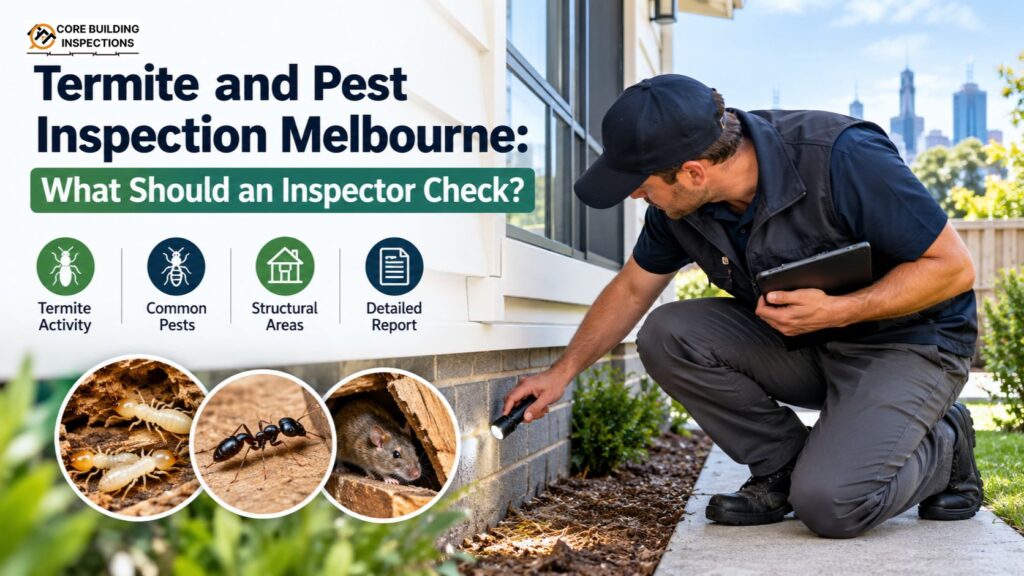
A modern pest audit is a high-tech diagnostic process that goes far beyond a simple visual walkthrough. In 2026, top-tier inspectors utilize a combination of traditional tapping methods and advanced sensor technology to locate hidden colonies. One of the primary red flags is the presence of “mud tracking” or shelter tubes. These are small, earthen tunnels built by termites to travel from their underground nests to your home’s timber without being exposed to the dehydrating effects of the open air. Your inspector will meticulously check the perimeter of your slab, the weep holes in brickwork, and all subfloor piers for these telltale signs. Furthermore, a Pre-purchase building inspection integrated with a pest audit allows for the cross-referencing of structural anomalies—such as sagging floors or jammed window frames with potential termite damage, ensuring no defect goes unnoticed. Another critical indicator is “conducive conditions.” These aren’t signs of termites yet, but they are an invitation for them to move in. High moisture levels in wet areas, timber-to-ground contact in garden beds, and inadequate subfloor ventilation are all flagged as high-risk factors. By identifying these issues before you buy, you can implement preventative measures—such as improving drainage or installing a chemical barrier—to safeguard your future equity. In the fast-paced 2026 market, where auction dates loom large, having this information within a 24-hour window is the difference between a confident bid and a blind risk.
Why Independent Technical Advice is Your Best Defense
The role of an independent auditor is to provide a neutral, fact-based assessment of a property’s health. In a market where real estate agents are focused on a quick sale, having an expert on your side ensures that no stone is left unturned. A professional report doesn’t just identify active infestations; it assesses the history of the building. We look for evidence of past treatments, such as drill holes in concrete paths or chemical soil treatment certificates. Understanding the treatment history of a Melbourne home is vital for knowing when the next protective barrier is due and whether the property has a recurring issue. This level of detail is a core component of a termite and pest inspection Melbourne buyers rely on to avoid the money pits that often hide behind a fresh coat of paint. Furthermore, a comprehensive report serves as a powerful negotiation tool. If a termite risk or historical damage is discovered, it provides the buyer with the technical evidence needed to renegotiate the purchase price or request that the vendor completes a full treatment before the contract becomes unconditional. In the 2026 market, where construction costs for structural timber repairs have risen significantly, this clarity is the difference between a secure home and a financial nightmare.
The Tech-Driven Approach: Thermal Imaging and Acoustic Sensors
Gone are the days when a flashlight and a screwdriver were the only tools in a pest inspector’s kit. Today, Core Building Inspections utilizes high-resolution thermal imaging to see through plasterboard. Termites generate heat within their colonies, and moisture plumes often accompany their activity; a thermal camera can detect these temperature anomalies that are invisible to the naked eye. Additionally, acoustic sensors allow us to listen for the distinct clicking sound made by soldier termites when they are disturbed. This non-invasive approach means we can detect activity deep within the skeleton of the building without causing any damage to the finishes. This precision is essential for modern buyers who want to ensure their investment is structurally sound from the inside out.
Conclusion: Secure Your Future with Core Building Inspections
Buying a home should be one of the most rewarding experiences of your life, but it shouldn’t come with a hidden pest problem that eats away at your investment. At Core Building Inspections, we combine local Melbourne knowledge with the latest 2026 diagnostic technology to ensure your peace of mind. Our mission is to provide the technical evidence you need to move in with total confidence. Don’t let your dream home be compromised by the silent destroyers—ensure your future is built on a solid, pest-free foundation.