Pre-purchase building inspection: Catch Hidden Defects Now

Termite and Pest Inspection in Melbourne: 2026 Buyer Guide
April 28, 2026
Victoria pre-purchase house inspection: Stop Costly Risks
May 4, 2026
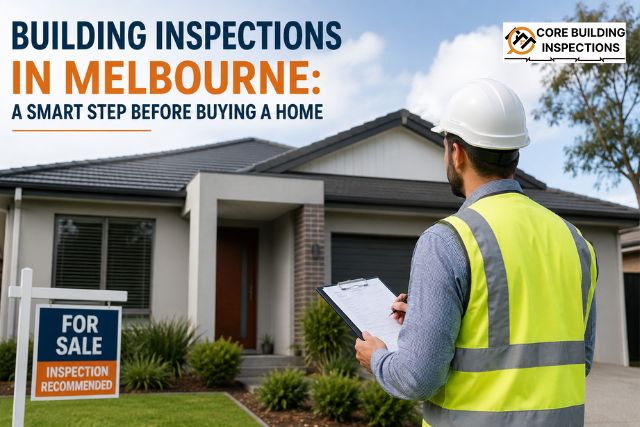
The Melbourne property market in 2026 remains a high-stakes arena where the difference between a dream home and a financial catastrophe often lies beneath the surface. For many Victorians, buying a home is the most significant investment of their lives, yet thousands of buyers each year skip the most critical step in the due diligence process: a professional audit of the property’s structural health. While a freshly renovated interior might suggest quality, a Pre-purchase building inspection is the only way to verify that the bones of the building are sound. In an era of rising construction costs and complex building regulations, uncovering defects before you sign a contract is not just smart it is an essential financial safeguard.
The Rising Stakes of the Victorian Property Market
As we move through 2026, the landscape of Victorian real estate has become increasingly complicated. High demand in suburbs ranging from the inner-city hubs of Richmond to the expanding residential estates in Geelong has led to a fast-paced sales environment where buyers often feel pressured to make quick decisions. However, skipping a Victoria pre-purchase house inspection in the rush of an auction campaign can lead to inheriting legacy issues that cost tens of thousands of dollars to rectify. From non-compliant structural modifications in older heritage homes to slab heave in newer developments sitting on Melbourne’s reactive clay soils, the risks are diverse and geographically specific.
Unmasking the Silent Structural Failures
The most dangerous defects in a home are rarely visible to the untrained eye during a standard twenty-minute open inspection. Major structural issues often hide behind aesthetic choices like new plasterboard, thick coats of paint, or strategically placed furniture. A professional inspector looks for the subtle signs of distress that indicate deeper problems. This includes assessing the levelness of floors, the alignment of door frames, and the presence of step-cracking in external brickwork. These symptoms often point to foundation movement or compromised load-bearing walls. Identifying these failures during the pre-purchase phase allows you to walk away from a money pit or, at the very least, adjust your offer to reflect the true cost of necessary structural repairs.
The Critical Role of Moisture and Waterproofing Checks
Water is perhaps the most destructive force a building faces in Victoria. With the unpredictable weather patterns of 2026, ensuring a home is watertight is paramount. One of the most common high-cost failures uncovered during inspections is non-compliant waterproofing in wet areas like bathrooms and laundries. If a shower recess has not been correctly tanked, water will eventually seep into the timber floor joists or wall studs, leading to timber rot and significant structural decay. Furthermore, roof integrity is a major concern; blocked guttering, cracked tiles, or degraded flashings can lead to internal ceiling collapses. A comprehensive audit ensures that every potential water entry point is scrutinized, protecting you from the silent creep of mold and rot.
Protecting Your Investment from Biological Threats
A building’s structure is only as safe as its defense against local pests. Subterranean termites are a constant threat across Victoria, often causing irreparable damage before a single outward sign is noticed by the homeowner. This is why a Pre-purchase pest inspection Victoria buyers can trust is usually integrated into the building audit. Inspectors look for more than just active “white ants”; they identify conducive conditions that invite infestation. High-moisture subfloors, timber-to-ground contact in garden beds, and breached chemical barriers are all flagged. By identifying these risks early, you can ensure the property is treated and protected before you move in, preserving the structural integrity of your timber frames for the long term.
The Power of Data: Thermal Imaging and Diagnostic Tools
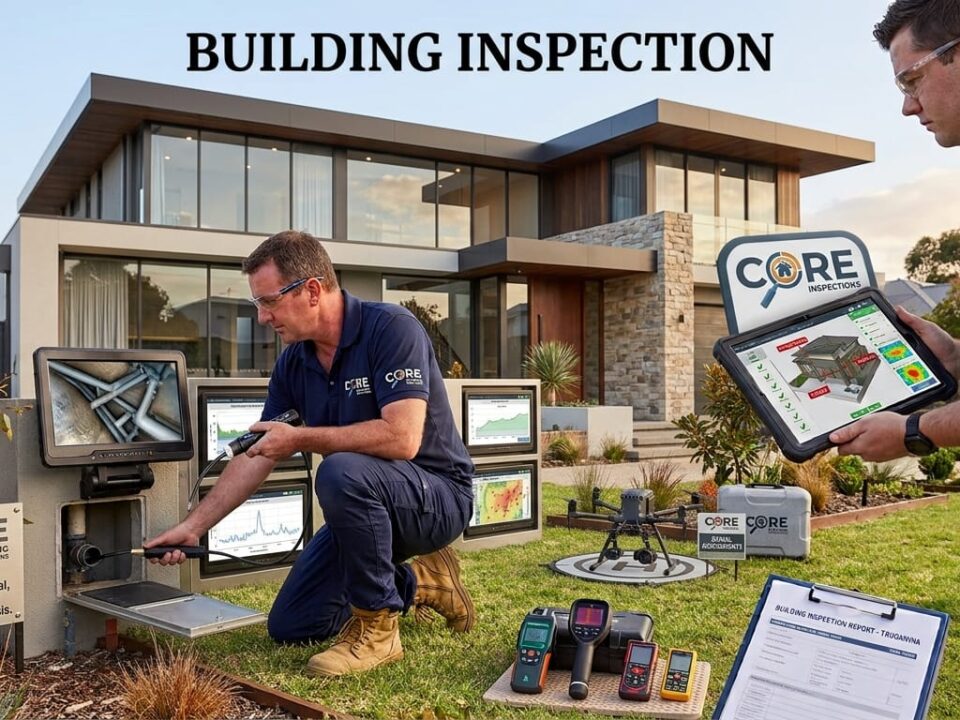
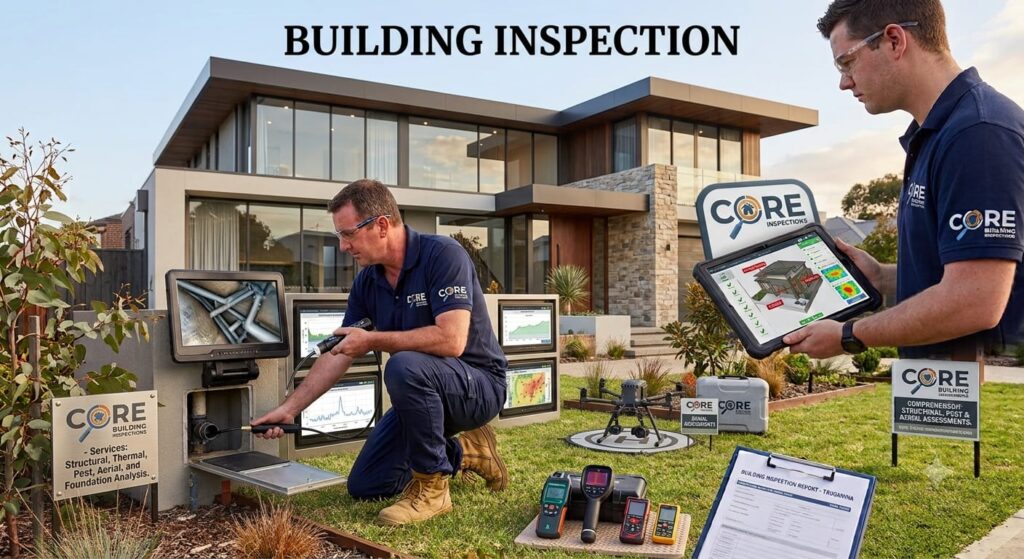
In 2026, the standard of property auditing has been elevated by technology. Leading firms no longer rely solely on a flashlight and a ladder. The use of high-resolution thermal imaging cameras allows inspectors to “see” temperature variations within wall cavities. These variations often highlight missing insulation, electrical hot spots, or hidden moisture plumes that would be impossible to detect otherwise. When combined with precision moisture meters and acoustic sensors for pest detection, these tools provide a data-driven report that stands up to scrutiny. This level of technical evidence is invaluable when negotiating with vendors, as it provides undeniable proof of the property’s current condition.
Conclusion: Secure Your Future with Core Building Inspections
Entering a contract for a Victorian home should be a moment of excitement, backed by the confidence of expert knowledge. By prioritizing a thorough professional audit, you are choosing transparency over guesswork. Core Building Inspections remains the leading choice for Victorians, combining deep local experience with the most advanced diagnostic technology available in 2026. Our mission is to ensure that your dream home doesn’t come with a hidden price tag. Don’t leave your financial future to chance; build your legacy on a foundation of facts and professional oversight.
Frequently Asked Questions:
1. What is included in a pre-purchase building inspection?
A standard audit follows the Australian Standard AS 4349.1-2007. It covers all accessible areas, including the roof exterior, internal roof void, subfloor (if applicable), the building’s exterior, and the interior rooms. We look for major structural defects, minor maintenance issues, and urgent safety hazards.
2. How long does a Victoria pre-purchase house inspection take?
For a standard residential home, the on-site process typically takes between 1.5 to 3 hours. This duration depends on the property’s age, size, and the complexity of access. Larger or heritage homes may take longer to ensure every “silent” defect is identified.
3. Why is a pre-purchase building inspection essential in 2026?
The 2026 Victorian property market has seen a tightening of regulations under the newly established Building and Plumbing Commission (BPC). An independent inspection ensures that the property complies with modern health and safety standards and protects you from the rising costs of rectifying non-compliant work from previous owners.
4. Do you check for termites and pests during the audit?
Yes. While a building inspection focuses on structure, we highly recommend a Pre-purchase pest inspection Victoria buyers can rely on. This specifically targets timber-destroying organisms like termites, borers, and wood-rot fungi, ensuring the skeleton of your home is not being hollowed out.
5. Can I attend the inspection?
Absolutely. We encourage buyers to attend the final 20 minutes of the audit. This allows our VBA-registered inspectors to walk you through the findings in person, explain technical defects in plain English, and answer any specific questions you have about the property.