Ultimate 2026 Checklist for Pre Settlement Inspection Melbourne

11 Best Pre-Purchase Building and Pest Inspections in Melbourne 2026
April 1, 2026
What a Pre-Purchase Building Inspection Sees That You Don’t
April 6, 2026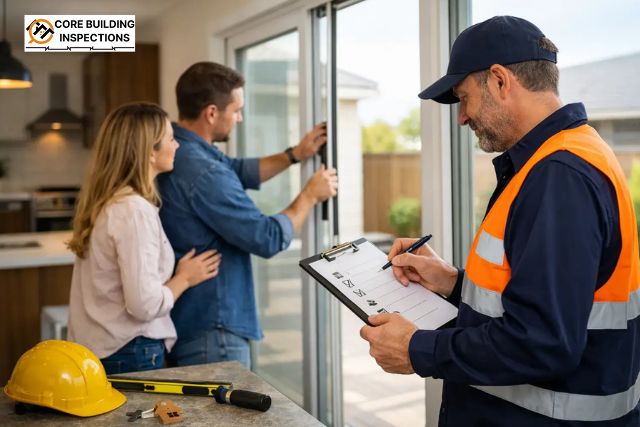
The final walkthrough of your new property is the single most critical step before you officially take ownership and funds are transferred. As a buyer in the fast-paced 2026 property market, skipping this comprehensive final check can lead to inheriting significant defects, broken appliances, or property damage that occurred after the contract was signed. It is your ultimate opportunity to verify that the home you are about to purchase is in the same condition as when you first inspected it, and that any required repairs have been completed to a satisfactory standard. A detailed final inspection isn’t just about looking for cosmetic dents in the plaster; it is about verifying the operational integrity of the entire home, ensuring that all fixtures are present, and making sure the property is handed over in vacant possession without the vendor’s waste. By approaching this walkthrough with a meticulous mindset, you are exercising your legal right and protecting yourself from immediate, unexpected repair bills.
The Plumbing Audit: Verifying Water Management
A thorough analysis of the property’s plumbing is a critical component of every final inspection in Victoria. Since the property may have been unoccupied during the settlement period, seals on taps and toilets can degrade, or minor leaks can manifest. You must operate every water outlet, starting by turning on the taps in the kitchen and all bathrooms to check the water pressure. Crucially, let the water run for several minutes to check the color and temperature, and then inspect the cabinetry beneath the sinks with a bright light for any signs of fresh water stains or moisture on the baseboards. Furthermore, you must test the drainage speed in the kitchen sink and bathroom basins to ensure there are no slow-draining pipes or blockages. In the bathroom, flush the toilet several times and check around the base for leaks, and switch on the overhead extraction fan to ensure it is clear of debris and fully operational. By confirming these systems are defect-free at settlement, you prevent the expensive and disruptive process of jackhammering new tiles or concrete slabs to access failing waste pipes.
External Check: Garage, Garden, and Inclusions
The exterior of the property requires the same high level of scrutiny as the interior, as it is often where significant move-out clutter is left behind. You are checking for two main elements: operational systems and the condition of chattels and the grounds. If the property has an automatic garage door, you must test its operation using both the remote and the manual wall button. It is also important to verify that any external inclusive items, like the pool pump, the solar array, or specified shed shelving, are present and functional. The landscaping must be checked for move-out damage, such as tire marks on the lawn or damaged garden beds, and you must verify that the grounds are clear of the vendor’s garbage, like old paint tins or broken furniture. A comprehensive final walkthrough must leave no stone unturned, and a Pre Settlement Inspection Melbourne ensures that the condition of the gardens, the presence of external fittings, and the function of crucial garage doors are all verified.
Professional Assurance for Total Certainty
While many property buyers in Victoria attempt to conduct their final walkthrough independently, a standard visual check often misses the underlying structural or technical issues. The average person lacks the tools and experience to detect hidden moisture behind walls or electrical hotspots, which is why engaging a professional inspection specialist provides significant value in 2026. These experts act as an independent, third-party set of eyes, utilizing advanced diagnostics like thermal imaging cameras and precise moisture meters to verify the operational state of the home’s infrastructure. By choosing a comprehensive pre-settlement inspection in Victoria, you obtain a detailed, photographic report that provides crucial evidence for your solicitor. If defects or missing inclusions are found, your professional report becomes powerful evidence when negotiating a monetary “holdback” from the settlement funds, ensuring you are not stuck with the cost of immediate repairs.
Move-Out Damage and General Condition
The logistics of moving furniture and boxes create a high-impact environment where new damage is remarkably common after the vendor has accepted your offer. During your final visit, you must approach the property from the perspective of looking for new issues that occurred during the move. Scrutinize narrow areas like hallways, doorways, and stairwells for fresh dents, gouges in floorboards, or deep scuffs in the paintwork. You must also operate every door and window in the property to ensure they still open, close, and lock smoothly, confirming that the building hasn’t shifted during the settlement period and that removalists haven’t forced items. In the 2026 Melbourne growth corridors, soil reactivity can cause minor settlement quickly, making a final check for new binding doors or radiating plaster cracks essential. By verifying that the general condition has not degraded and that no new move-out damage exists, you hold the vendor accountable to the terms of your Contract of Sale.
Electrical and Climate Control Verification
Your pre-settlement checklist must mandate the testing of every fixed appliance and electrical system to ensure they are in working order. Because houses in Melbourne sit empty before settlement, issues with ducted heating systems or aging air conditioning units can become critical problems immediately. You must physically switch on the main oven and test all stovetop elements to confirm they heat up rapidly. Turn on the heating and cooling systems even if the season seems inappropriate and use a non-contact thermometer (or simply place your hand near a vent) to verify the operational temp range. Furthermore, don’t assume the overhead lighting works; toggle every switch and, if a bulb is out, ask the agent to have the vendor replace it so you can verify the fixture isn’t faulty. The final few minutes of your inspection must involve confirming that any included window coverings operate, testing the rangehood fan, and looking for signs of recent “cosmetic camouflage” where vendors might be hiding damp or mold before settle.
Secure Your Settle and Negotiate Repairs
If your inspection does identify new defects, broken systems, or missing chattels, you must have the leverage required to act before the settlement time. You should document these issues immediately using date-stamped photographs and a written summary. This evidence is then handed to your solicitor or conveyancer, who can formally notify the vendor’s legal team and request rectification or, more commonly, a monetary adjustment. To ensure your final requirements are managed with authority, engaging a trusted pre settlement inspection service like Core Building Inspections provides you with a definitive technical report that carries significantly more negotiation weight. If the vendor cannot fix the issues before settlement day, your professional report is crucial in negotiating a holdback of funds, ensuring the money needed to remedy the defect is retained until the work is complete. Don’t settle with uncertainty; finalize your purchase with the confidence of knowing your investment is truly sound.