Pre-Plaster House Inspection: Complete Guide for New Builds

Pre Settlement Inspection Melbourne: Common Defects to Check
March 23, 2026
How to Identify Structural Issues During a Building Inspection
March 26, 2026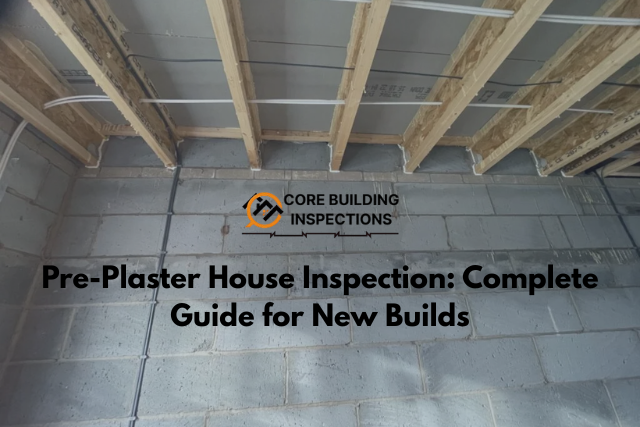
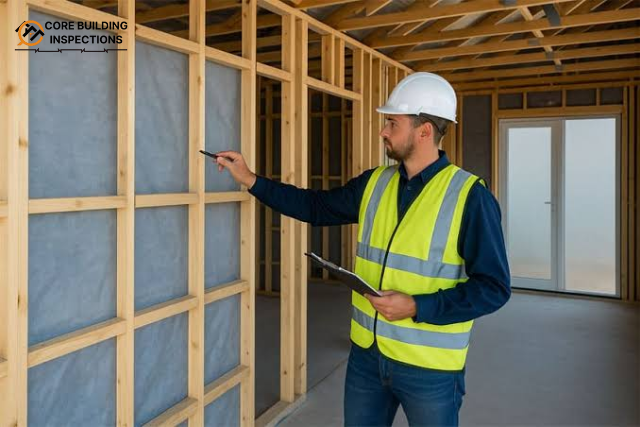
Building a new home in Victoria is a multi-stage marathon. While most homeowners get excited about the slab or the final handover, the most critical “hidden” stage is often overlooked. Once the plasterboard is installed, the skeleton of your home including the electrical wiring, plumbing lines, and structural bracing is sealed away. In the 2026 Melbourne construction market, where build speeds are faster than ever, ensuring everything behind the walls is perfect is your only way to prevent “invisible” long-term disasters. At Core Building Inspections in Victoria, we consider the pre-plaster stage (also known as the “pre-lining” or “insulation” stage) to be the heartbeat of a quality build.
What is a Pre-Plaster Inspection?
This inspection occurs after the roof is on, the windows are in, and the plumbing and electrical “rough-ins” are complete, but before the plasterers begin hanging the sheets. It is the final opportunity to view the internal workings of the home without a literal wall in the way.
The Critical Checklist: What We Inspect
A professional pre plaster inspection Melbourne audit focuses on three main pillars: structural integrity, service installation, and compliance with the 2026 Victorian Building Regulations.
1. Structural Bracing and Tie-Downs
While the frame has already been inspected, things often change during the rough-in. Plumbers or electricians may accidentally cut through a structural stud or notch a bracing timber to fit a pipe.
-
The Check: We ensure all structural members are still intact and that all metal bracing is correctly tensioned and fixed.
-
Why it matters: Compromised bracing can lead to “creaking” walls or, in extreme cases, structural movement during high winds.
2. Electrical and Plumbing Rough-Ins
Once the plaster is up, moving a power point or fixing a vibrating pipe becomes an expensive nightmare involving cutting and patching.
-
The Check: We verify that all electrical cables are clipped securely and kept away from sharp metal edges. We also check plumbing for “water hammer” risks by ensuring pipes are properly lagged and secured to the frame.
-
Why it matters: Loose pipes lead to annoying knocking sounds every time you turn on a tap, and poorly routed electrical wires can be a fire hazard.
3. Insulation and Thermal Breaks
With Melbourne’s volatile climate, thermal efficiency is a top priority for 2026 builds.
-
The Check: We inspect the installation of wall batts. If insulation is compressed, slumped, or has gaps, it loses its R-value (effectiveness).
-
The Core Advantage: We ensure that “thermal bridges” are addressed so your home stays cool in summer and warm in winter without skyrocketing energy bills.
The Role of a Professional Melbourne Building Inspector
Many builders will tell you that their “internal supervisor” has checked the work. However, an internal supervisor works for the builder; a melbourne building inspector works for you.
At Core Building Inspections, we act as an independent set of eyes. We often find that in the rush to get to the “Fixing” stage, small details like missing nail plates (which protect pipes from being pierced by plasterboard nails) are forgotten. Catching a $50 error today prevents a $5,000 flood tomorrow.
Why 2026 Homeowners Need This Audit
The 2026 construction landscape in Victoria has seen a rise in the use of lightweight steel frames and advanced composite materials. These require specific fixing methods that differ from traditional timber.
-
Quality Control: With labor shortages still affecting the industry, having a plaster inspection ensures that even if a sub-contractor was rushed, the final product meets Australian Standards.
-
The “Hidden” Paper Trail: If you ever decide to sell your home, having a documented history of stage inspections from the slab to the pre-settlement inspection in Melbourne adds significant value and trust for future buyers.
What Happens if Defects are Found?
If our inspection identifies issues such as a notched load-bearing stud or a leaking gas line—we provide a detailed photographic report within 24 hours. You simply hand this to your site supervisor. Most builders are happy to rectify these issues at this stage because it is much easier to fix a pipe now than it is after the walls are painted.
The Complete Build Journey
A pre-plaster check is just one piece of the puzzle. To ensure a flawless home, we recommend a consistent inspection schedule:
-
Slab Stage: Foundation integrity.
-
Frame Stage: The structural skeleton.
-
Pre-Plaster: Services and insulation.
-
Handover: The final finish.
Conclusion
Don’t allow poor waterproofing work to create costly problems in the future. A Fixing and Waterproofing Inspection ensures that all critical areas are properly sealed before they are covered, helping you avoid leaks, mould, and structural damage. This stage is not just about compliance, but about protecting your investment and ensuring the long-term durability of your home. If your property has reached the waterproofing stage, now is the right time to act—contact Core Building Inspections today to schedule your inspection and make sure everything is completed to the highest standard before it’s too late.