12 Most Common Building Defects Found in Victorian Homes

Top 20 Building Inspection Companies in Melbourne
February 20, 2026
7 Best Rated Building Inspectors in Melbourne for 2026
February 21, 2026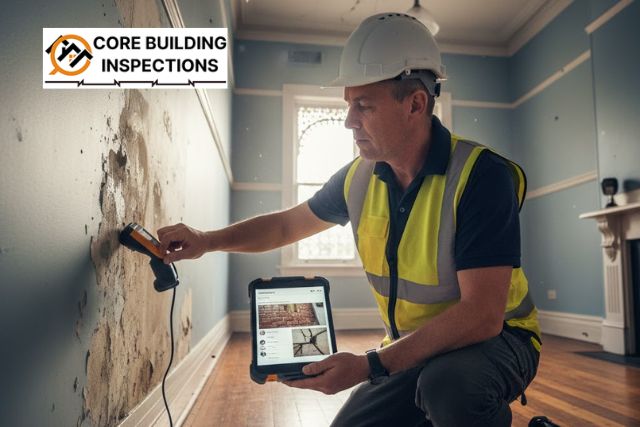
So, you’ve spotted The One, maybe it’s that cute Victorian house, a weatherboard cottage in a green area, or even a modern house in a new estate. Wanting a home here is a strong feeling, but what looks like a dream house can have hidden problems.
Buying without checking things out is risky, like buying a used car without looking under the hood. You might be fine, but you could end up spending a lot of money. Victorian houses, old or new, often have common issues. Knowing what to look for or, better yet, what a pro inspector checks can save you worry and a lot of money on fixes you didn’t expect.
This guide will take you through the 12 most common problems in Victorian homes. I’ll also explain why getting a professional pre-purchase house inspection.
The Dirty Dozen Defects You Need to Know About
These are the issues that regularly pop up in inspection reports, often catching buyers by surprise:
1. Rising Damp & Moisture Ingress
What it is: Dampness comes from either the ground up through walls (rising damp) or leaks in the roof or pipes (moisture getting in).
Why it’s common in Victoria: Many older houses here don’t have the damp-proof features that new homes do, especially the old brick ones. Also, Melbourne weather changes a lot, and we sometimes get big rains, so dealing with moisture is just part of owning a house here.
Impact: Dampness can make plaster fall apart and paint peel. It also helps mould grow, which isn’t good for your health. Plus, it can rot wood and attract bugs.
2. Sub-Floor Ventilation Issues
The Problem: Suspended timber floors with poor airflow. Why it happens in Victoria: Lots of homes in Victoria have these floors, but vents often get blocked by gardens, landscaping, or additions over the years. The Result: Moisture gets trapped, which causes timber to rot and attracts fungus, termites, and other pests. Building inspections often find this issue.
3. Foundation & Footing Problems (Stumps & Slabs)
What’s up: Problems with what’s holding up your house, like cracked concrete or wood supports that are rotting or sinking.
Why it happens in Victoria: Melbourne’s got a lot of reactive clay in the ground. It swells when it’s wet and shrinks when it’s dry, and this movement can really mess with your foundation.
What it does: It can cause uneven floors, big cracks inside and outside, and maybe even make your house unstable.
4. Roof Leaks & Deterioration
Here’s what to look for: Roof problems often show up as broken or worn-out materials like tiles or metal sheets. Keep an eye out for cracks, rust, and issues around things like chimneys.
Why it happens in Victoria: Our roofs go through a lot with the strong sun, rain, and wind. Older tile roofs, especially, tend to have problems with broken tiles.
What can happen: Leaks can cause wood rot, mould, damaged ceilings, and even electrical issues.
5. Guttering & Downpipe Issues
What it is: Gutters and downpipes get blocked, rusted, are badly sloped, or are installed incorrectly. Why it happens in Victoria: Leaves and junk pile up over time. Cheap materials also rust easily. If the slope isn’t right, water just sits there.
Impact: Water spills over and hits the foundation, soaks the walls (making them damp), and washes away the soil around your house.
6. Faulty Waterproofing (Bathrooms & Wet Areas)
What we’re seeing: Waterproofing failing in showers, baths, and laundries. Why it happens a lot in Victoria: Usually, it’s because of age, a bad installation job to begin with, or just wear and tear. What it does: Water leaks into nearby walls, floors, and even ceilings below, which can cause significant damage, mould, and rot in the wood.
7. Timber Pest Activity (Termites & Borers)
What it is: Active infestations of timber-destroying insects like subterranean termites or borers.
Why it’s common in Victoria: Many Victorian homes, even brick veneers, have timber frames, floorboards, and roof trusses. Termites are endemic and thrive in damp conditions.
Impact: Can severely compromise the structural integrity of a home, costing tens of thousands to repair, and are often not covered by standard home insurance. A specific pest check is crucial.
8. Unsafe or Non-Compliant DIY Renovations
What it is: Work done on a house, like fixing it up or adding on, by someone who’s not qualified or doesn’t have the right permits, or doesn’t follow the building rules. Why it happens a lot in Victoria: Owners want to spend less, or the people before them didn’t say they did work that wasn’t up to code. What can happen: It could be something small that just looks bad, or it could be really bad, like the house could fall apart, catch fire, or be unsafe to live in.
9. Asbestos Containing Materials (ACMs)
Here’s the deal: If your house was built before 1990, it might have asbestos. It’s common in Victoria because asbestos was used a lot back then in things like roofing and walls, since it doesn’t burn easily. It’s usually not a problem if it’s left alone, but if it gets damaged, it can release bad stuff into the air that’s dangerous to breathe. Getting an inspection can help spot possible asbestos, but you’ll need a test to know for sure.
10. Poor Site Drainage
What it is: Poor grading around your house can make water collect near the foundation or flow toward the building. Why it’s common in Victoria: It’s easy to miss when landscaping, or it’s just how the ground naturally slopes.
Impact: This can cause damp foundations, rising damp, soil loss, attract pests, and cause structural problems.
11. Electrical & Plumbing Issues (Visual Inspection)
What it is: Old wiring, bad outlets, not enough safety switches, leaky pipes, weak water pressure, or old water heaters.
Why it’s common in Victoria: Old houses usually have the first wiring or plumbing, which is either too old or doesn’t meet today’s safety rules.
What can happen: Fires, electric shock, water damage, and utility services that don’t work well. A general inspector can spot some problems, but you’ll need a certified electrician or plumber to look closely.
12. Deterioration of External Finishes
So you’ve got cracked render, bricks that are falling apart, paint peeling off, or wood bits rotting away. In Victoria, this often happens because of the weather, not taking care of things, or just bad work done in the first place. It might not seem like a big deal at first, but if you ignore it, water can get in, things can rot even more, and the materials won’t last as long.
Why a Professional Inspection is Non-Negotiable
You won’t spot serious problems just by touring a house for 15 minutes. You’ll see how it looks, not if it’s structurally sound or has pests. That’s why a professional house inspection in Victoria is so important before you buy. A skilled, VBA-registered inspector knows what to look for and what common issues mean for your money. They use tools like moisture meters and thermal cameras to find problems you can’t see.
Also, a pre-settlement inspection is key. It makes sure any agreed-upon repairs were done right and that the place is still in the same shape as when you first saw it.
Frequently Asked Questions:
Q1: How long does a typical pre-purchase inspection take in Victoria?
A: This can vary depending on the size and age of the property, but generally, expect an inspector to be on-site for 1.5 to 3 hours for a standard residential home. More complex or larger properties may take longer.
Q2: Does a standard building inspection include a pest check?
A: No, not automatically. You must specifically request a Combined Building and Pest Inspection. This is highly recommended in Victoria, as termite damage is a major risk and not covered by standard home insurance.
Q3: What happens if the inspection finds major defects?
A: Finding defects isn’t necessarily a deal-breaker. A detailed report gives you leverage to negotiate a lower purchase price. Ask the seller to fix the defects before settlement. (If your contract allows) Withdraw from the purchase without penalty if the defects are too severe.
Q4: How much does a building inspection cost in Victoria?
A: Prices vary based on the inspector’s experience, the size/type of property, and whether it’s a combined building and pest inspection. Expect to pay anywhere from $450 to $800+ for a comprehensive service. This is a small price for significant peace of mind.
Q5: Can I be present during the inspection?
A: Yes, it is highly recommended! Being on-site allows the inspector to verbally explain findings as they go, and you can ask questions directly. It also gives you a better understanding of the property’s condition.