11 Best Property Inspection Services Melbourne 2026: The Ultimate Buyer’s Guide

Top Benefits of Getting a Pre-Purchase Pest Inspection in Victoria
March 10, 2026
7 Costly Problems a Victoria Pre-Purchase House Inspection Can Reveal
March 11, 2026
Melbourne’s 2026 property market presents both great chances and real risks. More apartments are popping up in the inner suburbs, and the western areas are growing fast. Buyers have special problems, like quickly built new homes and old weatherboard houses needing repair. In this situation, a great building inspection company is your best friend. Whether you’re at a busy weekend auction or signing for a modern apartment before it’s built, here’s what to look for in Melbourne’s top home inspectors this year, with 11 important qualities and services.
1. VBA Registration and Licensing
The foundation of any high-quality service is legal accreditation. In Victoria, you must ensure your inspector is registered with the Victorian Building Authority (VBA). A VBA-registered inspector has the formal engineering or building qualifications to identify major structural defects that a general “handyman” might overlook. At Core Building Inspections, we are fully licensed and insured, providing a legally robust document you can rely on.
2. 24-Hour Digital Report Turnaround
In 2026, the Melbourne market moves at lightning speed. Many properties are sold within days of hitting the market, leaving a very narrow window for due diligence. The best home inspections prioritize speed without sacrificing accuracy. You should demand a digital, photographic report delivered to your inbox within 24 hours of the site visit. This allows you to make informed decisions before your cooling-off period expires.
3. Utilization of Advanced Thermal Imaging
A visual-only inspection is a thing of the past. The leading property inspection services now utilize high-resolution thermal imaging cameras as a standard inclusion.
Thermal technology allows inspectors to “see” through plaster to detect:
-
Hidden moisture leaks in “wet areas” like bathrooms and laundries.
-
Electrical hotspots in old switchboards that pose fire risks.
-
Missing or slumped insulation that affects the home’s energy efficiency.
4. Expertise in “Reactive Clay” and Slab Heave
Melbourne’s northern and western suburbs (like Tarneit, Mickleham, and Donnybrook) are famous for their highly reactive clay soils. In 2026, “slab heave” remains a major concern for homeowners. The best Building Inspections in Melbourne include a specialized assessment of the foundation’s performance, looking for specific diagonal cracking patterns in brickwork that indicate unstable footings.
5. A Dedicated Trusted Pre-Settlement Inspection Service
The journey doesn’t end when the contract is signed. A trusted pre-settlement inspection service is your final safety net. This walkthrough happens roughly 7 days before you hand over the final payment. The goal is to ensure the property is in the same condition as when you bought it and that the vendor hasn’t caused any move-out damage, such as gouged floorboards or broken fixtures.
6. Combined Building and Pest Capabilities
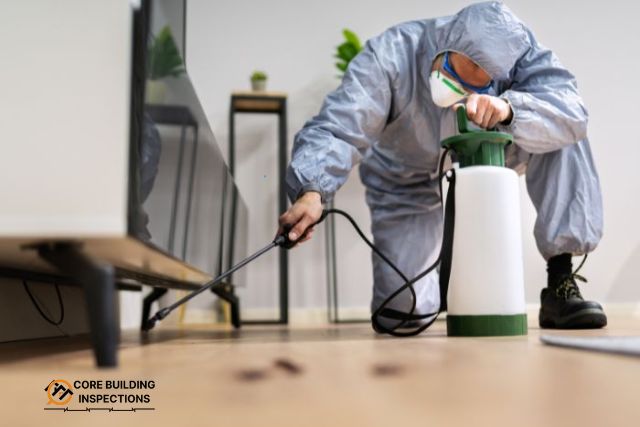
Termites are a “silent” threat in Victoria, particularly in leafy areas like the eastern suburbs. To save time and money, choose a service that offers a combined Building and Pest Inspection in Melbourne. This ensures that while one expert checks the “bones” of the house, another is using radar and moisture sensors to detect timber-destroying organisms.
7. Post-Inspection Consultations
A 50-page technical report can be overwhelming. The best home inspections include a follow-up phone call from the inspector. This conversation helps you distinguish between a “deal-breaker” (like a failing retaining wall) and a “maintenance item” (like a dripping tap), giving you the confidence to negotiate.
8. New Build Stage Inspections
If you are building a new home in 2026, you shouldn’t wait until the end to check for quality. Top-tier property inspection services Melbourne offer stage-based checks, including:
-
Slab Stage: Ensuring the plumbing and footings are correct before the concrete is poured.
-
Frame Stage: Checking the structural integrity of the timber or steel skeleton.
-
Pre-Plaster: Inspecting electrical and plumbing rough-ins before they are hidden.
9. Non-Conflict Independence
A quality inspection firm works exclusively for you. Be cautious of “free” or “discounted” inspections recommended by the selling agent. Independence is the hallmark of the best home inspections in Melbourne; you need a neutral, unbiased assessment that has no interest in whether the sale goes through.
10. Specialized Apartment Assessments
With the boom in Melbourne apartment living, your inspector must understand “Owners Corporation” issues. This includes checking for combustible cladding (still a factor in some older stock) and assessing common-area issues like leaking balconies or basement dampness that could lead to expensive special levies.
11. Comprehensive Insurance Protection
Finally, ensure the company carries both Professional Indemnity and Public Liability insurance. This protects you in the rare event that a major defect is missed. Never hire an inspector who cannot provide an up-to-date certificate of currency upon request.
Why Choose Core Building Inspections?
At Core Building Inspections, we stand by these 11 principles. With over a decade in the Victorian industry, we offer more than just reports. We give you the insights you need for what may be the biggest purchase of your life. From our reliable pre-settlement inspections to our advanced thermal imaging, we aim to set the bar for building inspections in Melbourne.
Frequently Asked Questions
Q: Can a building inspection report help me pay less for a place?
A: Yes, for sure. A close look by a building inspection company in Melbourne gives you real bargaining power. If they spot big structural problems or safety risks, show the agent what they found so you can ask for a lower price, or tell the seller to fix things before you close the deal.
Q: I got a pre-purchase check already do I still need another inspection before I settle?
A: The first check is for how well the building will last. The one right before you settle is to see what shape the place is in right before you get the keys. You want to make sure nothing got wrecked when the old owners moved out, and that the appliances and heating/cooling work like they should, as stated in the contract.
Q: How soon after the inspection do I get the report?
A: Melbourne’s property market moves fast. Core Building Inspections sends you a report within a day because you often only have three days to change your mind on a purchase or need to get ready for an auction.
Q: Do regular building inspections in Melbourne include thermal imaging and moisture checks?
A: Not always. Lots of basic services just do a quick look around. But the better home inspections in Melbourne check for heat and dampness as a normal part of their work. This helps them spot hidden leaks, moisture, and electrical issues you can’t see with your eyes.
Q: What if the inspector finds building work that wasn’t approved?
A: If your inspector points out something like a deck or sunroom without a permit, check it with the Section 32 form right away. Work done without approval can mean fines from the city or refusal of insurance claims. Finding these problems early means you can make the seller get a Certificate of Compliance.
Q: Should I get a pest inspection even for a newer apartment?
A: Yep. Termites aren’t usually a problem in big steel buildings, but they can still get into the wood frames of townhouses or smaller homes. Plus, a pest check also looks for rats, mice, bugs, and other pests—and those are common in Melbourne.