Ultimate 2026 Checklist for Your Pre-Purchase Building Inspection in Melbourne

7 Costly Problems a Victoria Pre-Purchase House Inspection Can Reveal
March 11, 2026
Entering the Melbourne property market in 2026 involves more than just appreciating how a home looks. The Victorian Government has recently suggested changes to the inspection process that might shift the costs from buyers to sellers, altering how due diligence is approached. Despite these changes, the essential priority remains the same: making sure your investment is structurally solid and doesn’t come with unexpected financial risks. Whether you are looking at a sleek new build in the western growth corridors or a classic Victorian terrace, this Pre-Purchase Building Inspection in Melbourne checklist ensures you cover every critical corner.
1. Structural Foundations & Subfloor
Melbourne’s famous reactive clay soils mean that foundations are often under constant stress from seasonal moisture changes.
-
Foundation Integrity: Look for “stepped” or diagonal cracks in external brickwork wider than 2mm, which often indicate subsidence or structural movement.
-
Subfloor Health: If the property has timber floors, checking the crawl space is vital. Inspectors look for rotting stumps, damp soil, and adequate ventilation to prevent “bouncy” floors or future decay.
2. The “Silent” Risks: Pests and Moisture
In 2026, high-tech detection has become the industry standard for a pre-purchase building inspection.
-
Moisture Mapping: Professional inspectors now use thermal imaging and moisture meters to find leaks hidden behind bathroom tiles or within wall cavities that the naked eye simply cannot see.
-
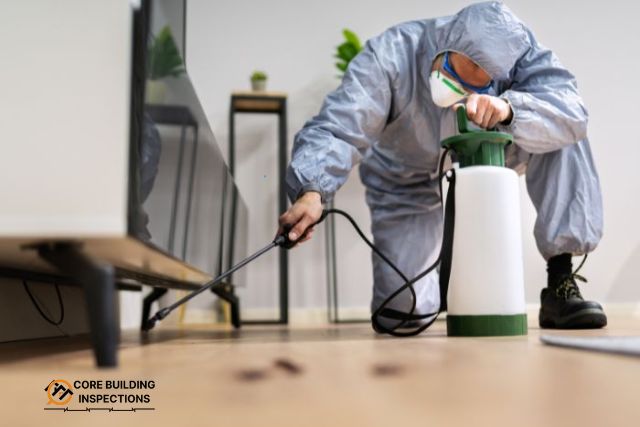
Termite Activity: Termites are a widespread threat in Victoria’s leafy suburbs. The checklist includes searching for mud tubes, hollow-sounding timbers, and conducive conditions like wood-to-soil contact near the house.
3. Roofing, Gutters, and Drainage
Water ingress is consistently the most reported building defect in Australia.
-
Roof Condition: Inspect for cracked tiles, rusted metal sheeting, and deteriorated flashing around chimneys.
-
Guttering: Check for “fall” issues where water pools in gutters rather than flowing to downpipes, which can lead to foundation erosion during Melbourne’s heavy rain periods.
4. Safety and Compliance
Beyond structure, your safety is paramount. Every Victoria pre-purchase house inspection must verify that the property meets basic safety standards.
-
Electrical Safety: Ensure the switchboard is fitted with modern RCD safety switches and that there is no evidence of “DIY” or unlicensed wiring.
-
Smoke Alarms: Confirm they are installed in the correct locations and are fully operational as per Victorian law.
-
Asbestos Awareness: For any home built before 1990, the checklist includes identifying potential asbestos in eaves, wet area linings, and old vinyl flooring.
Strategic Advice for 2026 Buyers
A professional report doesn’t just list problems; it provides a roadmap for your future. If the inspection reveals significant issues, you have the data needed to negotiate a price reduction or request that the seller rectifies the faults before settlement.
Frequently Asked Questions
Q: How long does the on-site inspection take?
A: A thorough check of a standard Melbourne home takes 1.5 to 3 hours. Older or larger homes with subfloor and roof access may require more time. Beware of inspections under an hour, as they likely miss important details.
Q: When do I get the written report?
A: In Melbourne’s fast market, quick reports are crucial. Core Building Inspections provides a detailed photo report within 24 hours to help you decide during cooling-off periods or before auctions.
Q: Can I attend the inspection?
A: Yes, attending is recommended. It lets you see defects directly and ask questions. If you can’t join, inspectors offer follow-up calls to explain findings clearly.
Q: What’s the difference between major and minor defects?
A: Major defects are serious structural or safety issues needing urgent or costly fixes, like a failing foundation. Minor defects are cosmetic or maintenance-related, such as dripping taps, which don’t threaten the home’s structure but should be watched.
Q: Does a standard inspection check for asbestos or mold?
A: Standard visual checks spot suspected asbestos in older homes (pre-1990) and visible mold. Lab tests for asbestos or specialized mold air quality assessments are separate and can be added if needed.
Q: Is a building inspection mandatory in Victoria?
A: It’s not legally required but strongly advised by legal and consumer bodies. Without a professional inspection report, you risk all costs from hidden defects once the contract is final.