Pre Slab Pour Inspection: Why It’s Crucial Before Construction

Ultimate 2026 Checklist for Your Pre-Purchase Building Inspection in Melbourne
March 16, 2026
Pre Settlement Inspection Melbourne: Common Defects to Check
March 23, 2026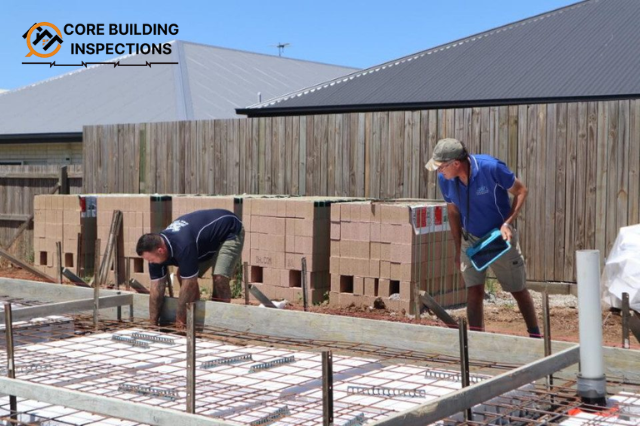
In the journey of building your dream home, the “slab pour” is a massive milestone. It is the moment your floor plan transitions from a series of trenches in the dirt to a solid, permanent foundation. However, once the concrete truck arrives and the pour begins, any mistakes made underground are locked away forever. In the 2026 Victorian construction landscape, a pre slab pour inspection is no longer just a recommendation it is the single most important quality-control step in the entire building process.
What is a Pre Slab Pour Inspection?
This inspection occurs after the formwork is set, the plumbing “rough-ins” are laid, and the steel reinforcement is tied, but before the concrete is actually poured. An independent inspector visits the site to ensure that the builder has followed the structural engineer’s drawings and the Australian Standards (AS 2870).
Why You Can’t Skip This Stage
The foundation carries the entire weight of your home. If the slab is compromised, every stage that follows—the frame, the plaster, and the tiling will eventually show signs of distress.
1. Verifying Steel Reinforcement and Spacing
Steel mesh gives concrete its tensile strength. If the steel is sitting too low (touching the ground) or too high, it won’t provide the necessary reinforcement. An inspector ensures the “chairs” supporting the mesh are correctly spaced and that the steel has the required “concrete cover” to prevent future corrosion or “concrete cancer.”
2. Inspecting the Vapor Barrier (Moisture Protection)
The heavy-duty plastic sheeting under your slab is designed to stop ground moisture from seeping up through the concrete and into your home. During construction, this plastic is often punctured by workers or heavy machinery. A Building slab inspection in Melbourne focuses heavily on ensuring this barrier is taped, sealed, and free of holes, preventing future mold and dampness issues.
3. Plumbing and Drainage Alignment
Once the concrete is hard, moving a toilet or a kitchen sink even ten centimeters involves jackhammering the new slab—a costly and structurally damaging process. We verify that all waste pipes are correctly positioned according to your floor plan and that they are protected from the weight of the concrete with proper lagging.
The Hidden Risks: Termite Protection
One of the most overlooked aspects of the foundation stage is the physical termite barrier. Termites can enter a home through a gap as small as 1mm, often following the edge of a plumbing pipe. During this stage, we ensure that the “collars” around the pipes are correctly installed. This is far more effective than trying to manage a pest problem later with a termite and pest inspection in Victoria.
Ensuring Compliance with Victoria’s 2026 Standards
Victoria’s building regulations have become increasingly strict regarding energy efficiency and structural resilience. A professional inspector ensures your slab meets the specific “Waffle Pod” or “Raft Slab” specifications required for your specific soil type. This is particularly crucial in Melbourne’s growth corridors, where reactive clay soil is common.
The Role of Core Building Inspections
At Core Building Inspections in Victoria, we act as your eyes and ears on the construction site. Builders are often under immense pressure to meet deadlines, which can lead to oversight at the foundational level. Our independent report provides photographic evidence of compliance (or non-compliance), giving you the leverage to insist on corrections before the concrete trucks arrive.
What Happens Next?
The slab is just the beginning. To maintain a high-quality build, you should also consider:
-
Frame Stage: Checking the skeleton of the house.
-
Pre-Plaster: Checking the electrical and plumbing inside the walls.
-
Final Walkthrough: Using a trusted pre settlement service to ensure the home is perfect before you move in.
Conclusion
Getting a slab inspection before concrete in Melbourne is like having a safety net to avoid costly repairs down the road. If a plumbing mistake or a steel bar out of place is caught early, it can prevent major structural problems that might show up years later. If your slab pour is coming up soon, it’s a good idea to arrange an independent site check. You can reach out to Core Building Inspections to book this and make sure your home starts on a solid and reliable foundation you can feel confident about. Taking this step now can save you a lot of trouble and expense in the future.