Pre-Buy Home Inspection Melbourne Spot Hidden Defects

Melbourne Building Inspector: Top Tips for Buyers
April 25, 2026
Termite and Pest Inspection in Melbourne: 2026 Buyer Guide
April 28, 2026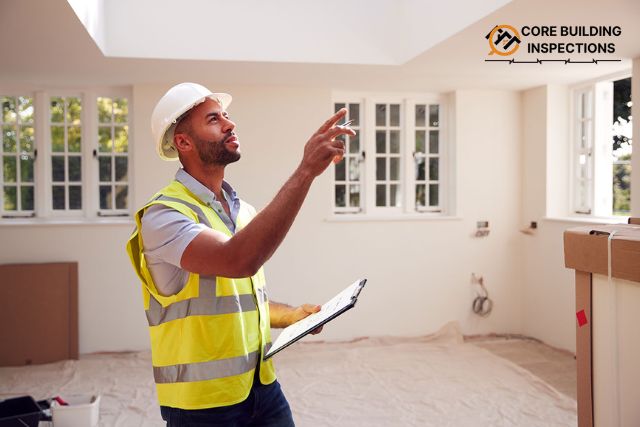
The Melbourne property market in 2026 remains one of the most competitive and complex environments for homebuyers. Whether you are eyeing a charming heritage terrace in Carlton, a mid-century brick veneer in Glen Waverley, or a contemporary townhouse in the burgeoning northern suburbs, the visual appeal of a property can be incredibly deceiving. Beneath polished floorboards and fresh coats of paint, structural vulnerabilities can lurk, waiting to become a homeowner’s financial nightmare. This is why a Pre-buy home inspection Melbourne is no longer just a recommendation; it is an essential phase of modern due diligence. In an era where building costs are high and skilled labor is at a premium, inheriting a property with hidden defects can lead to a significant loss of equity before you have even unpacked your first box.
The Evolution of Building Risks in Victoria
As we navigate the 2026 building landscape, the risks associated with Victorian properties have shifted. Older homes face the inevitable toll of time, with foundation settlement and plumbing degradation becoming common themes. Conversely, newer builds, while modern in design, are occasionally subject to the pressures of rapid construction timelines, which can lead to oversight in critical areas like waterproofing and structural fixings. A comprehensive Victoria pre-purchase house inspection acts as a vital safety net. It provides a technical bridge between what a buyer sees—the aesthetic charm—and what a structural expert knows—the engineering reality. Without this independent audit, you are essentially gambling with your financial future on the hope that the previous owners or builders maintained the highest standards of integrity.
Uncovering the Silent Structural Enemies
One of the most profound benefits of a professional audit is the detection of issues that are invisible to the naked eye. Moisture, for instance, is the primary catalyst for structural failure in Melbourne. Our reactive clay soils mean that even a minor plumbing leak or poor site drainage can lead to significant slab movement or “slab heave.” A professional Pre-purchase building inspection utilizes advanced diagnostic tools to find these anomalies. By employing high-resolution thermal imaging cameras, inspectors can identify “cool spots” behind plasterboard, which often indicate hidden pipe leaks or failed waterproof membranes in bathrooms. If left undetected, this moisture eventually rots structural timbers and creates a breeding ground for toxic mold, leading to thousands of dollars in remediation costs that insurance rarely covers for pre-existing conditions.
The Invisible Threat: Subterranean Termites
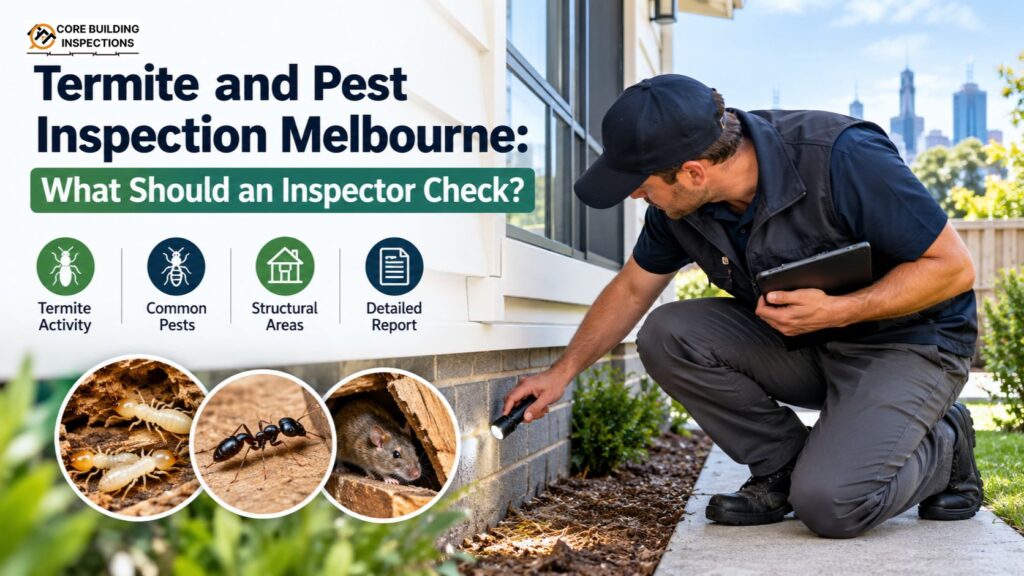
In Victoria, the threat of timber-destroying pests is a constant reality. Termites, often referred to as silent destroyers, can consume the structural sapwood of a home without leaving a single outward trace on the painted surfaces. A quality inspection doesn’t just look for active colonies; it identifies conducive conditions the environmental factors that make a home an easy target. This includes things like inadequate subfloor ventilation, gardens built up against weep holes, or stored timber in contact with the ground. By identifying these red flags early, an inspector provides you with a risk profile of the property. This allows you to implement preventative chemical barriers or structural modifications before an infestation takes hold, preserving the skeleton of your home for decades to come.
Assessing Roof Integrity and Exterior Drainage
The roof is a property’s first line of defense against the elements, yet it is the area most buyers ignore because it is difficult to access. An inspector will examine the condition of roof tiles or metal sheeting, looking for signs of corrosion, cracked pointing, or blocked guttering systems. In Melbourne’s unpredictable weather, a faulty roof can lead to internal ceiling collapses and electrical hazards during a single heavy downpour. Furthermore, the audit covers external site drainage. Ensuring that stormwater is correctly diverted away from the footings of the house is critical in preventing the soil saturation that leads to foundation instability. An expert eye can spot the subtle signs of “efflorescence” on brickwork or salt damp, which indicate long-term water ingress issues.
The Financial Power of a Technical Report
A detailed building report is more than just a list of flaws; it is a high-leverage financial instrument. In a market where every dollar counts, having a factual, photographic document of a home’s defects allows you to approach the negotiating table with authority. If major structural issues are found, you have three clear paths: you can request a significant reduction in the purchase price to cover repair costs, demand that the vendor fixes the issues prior to settlement, or, in extreme cases, walk away from a money pit altogether. This clarity transforms the buying process from an emotional rollercoaster into a logical business transaction, ensuring that the price you pay accurately reflects the true value and condition of the asset.
Conclusion: Why Core Building Inspections is Your Best Partner
At Core Building Inspections, we believe that every Victorian homebuyer deserves total transparency. Our mission is to provide the technical evidence you need to make one of life’s biggest decisions with absolute confidence. We combine years of local experience with the latest 2026 diagnostic technology to ensure that no defect no matter how well hidden goes unnoticed. From the subfloor to the rooftop, our VBA-registered experts provide the clarity, speed, and accuracy required in today’s fast-moving market. Don’t let your dream home turn into a structural nightmare; build your future on a foundation of facts.
FQS:
Q1. What is included in a pre-buy home inspection in Melbourne?
A: A standard inspection covers all accessible areas of the property, including the roof exterior, roof void, subfloor, internal rooms, and external walls. We look for major structural defects, minor maintenance issues, and safety hazards like non-compliant wiring or dampness.
2. How long does a Victoria pre-purchase house inspection take?
A: Typically, the on-site process takes between 1.5 to 2.5 hours, depending on the size and condition of the property. At Core Building Inspections, we ensure a thorough review without rushing, so every hidden defect is documented.
3. Why do I need a pre-purchase building inspection if the house looks new?
A: Even new builds can have silent issues such as non-compliant waterproofing, structural movement, or “slab heave” due to Melbourne’s reactive clay soil. An independent audit ensures that the builder’s work meets the current 2026 Victorian building standards.
4. Can a building inspection help me negotiate the price?
A: Absolutely. If our report identifies major structural defects or urgent repairs, you can use the photographic evidence and technical findings to renegotiate the purchase price or request that the vendor fixes the issues before the contract is finalized.
5. Do you use thermal imaging during the inspection?
A: Yes. As a leading provider of pre-buy home inspections in Melbourne, we use high-resolution thermal imaging cameras and moisture meters. This allows us to detect hidden leaks, missing insulation, and moisture plumes behind walls that the naked eye cannot see.