Melbourne Property 101: Why You Need Frame Stage Inspection Services Victoria

What a Pre-Purchase Building Inspection Sees That You Don’t
April 6, 2026
Top 11 Building Inspection Companies in Melbourne
April 7, 2026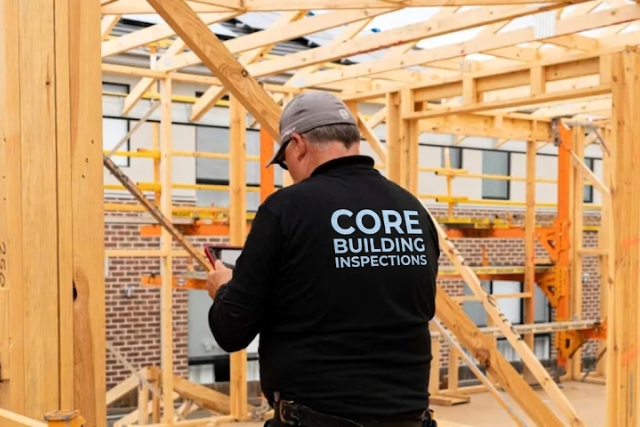
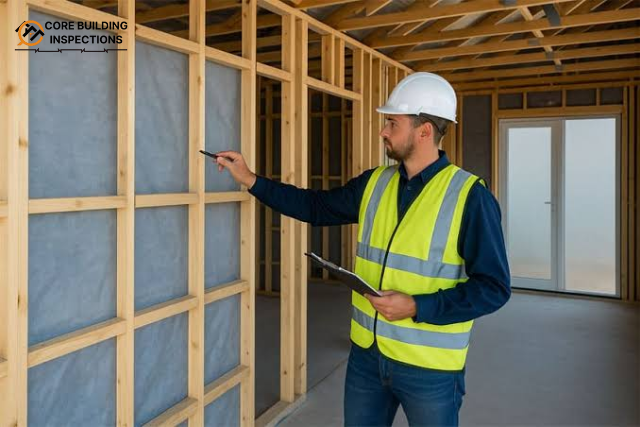
Building a new home is one of the most significant investments you will ever make. In the 2026 Victorian construction market, where build times are accelerating and timber costs remain a factor, ensuring the structural “skeleton” of your home is perfect is non-negotiable. While many homeowners wait until the house looks finished to worry about quality, the most critical phase happens long before the plasterboard goes up. This is where Frame stage inspection services Victoria become the ultimate safeguard for your future property.
Once the frame is complete, it is the only time the structural “bones” of your home are fully visible. Once the insulation and plaster are installed, any errors intentional or accidental are buried forever, often only manifesting years later as sagging ceilings, bouncy floors, or cracked walls.
The Structural Skeleton: What We Look For
A frame is more than just a collection of timber or steel studs; it is a precisely engineered system designed to transfer loads from the roof down to the foundation. During a professional Frame Stage Inspection Melbourne audit, an independent expert verifies that your builder is following the approved engineering drawings and the National Construction Code (NCC).
1. Wall Plumb and Straightness
We use high-precision levels to ensure all walls are “plumb” (vertically straight). If a frame is out of alignment at this stage, your plaster will look wavy, your kitchen cabinets won’t sit flush against the wall, and your doors may never close properly.
2. Load-Bearing Lintels and Beams
Lintels are the horizontal beams that span across window and door openings. We verify that the correct size and grade of timber or steel have been used. In the rush of modern construction, it is surprisingly common for a smaller, non-compliant beam to be installed, which leads to structural sagging over time.
The Critical Importance of Bracing and Tie-Downs
Melbourne is known for its volatile weather and high wind loads. A Building Frame Inspection focuses heavily on how the house is “tied together.” We inspect the metal bracing strips and plywood bracing sheets to ensure they are tensioned and nailed correctly. Without proper bracing, a house can “rack” or lean during a storm, causing catastrophic internal damage.
Furthermore, we check the “tie-downs”—the bolts and straps that connect the frame to the concrete slab. These ensure that in high-wind events, the roof and walls stay firmly attached to the ground.
Identifying “Sub-Contractor” Damage
One of the hidden benefits of a frame inspection is catching damage caused by other trades. Plumbers and electricians often arrive at the site immediately after the frame is complete. To fit their pipes and cables, they may “notch” or drill through structural studs.
If a plumber cuts too deep into a load-bearing stud to fit a waste pipe, the structural integrity of that wall is compromised. Our inspectors identify these “trade-related” defects and provide a report that requires the builder to install “nail plates” or replacement studs before the next stage begins.
Moisture Management and Timber Health
In 2026, we pay close attention to the moisture content of the timber. If a frame has been sitting out in the Melbourne rain for too long, the timber can swell. If the plaster is installed over wet timber, the wood will eventually shrink as it dries, leading to “nail pops” in your plaster and unsightly cracks in your cornices. We use digital moisture meters to ensure the frame is “dry enough” for the next phase of construction.
Why Independent Oversight is Essential
While your builder has a site supervisor, that supervisor is often managing 15 to 20 sites simultaneously. They simply do not have the time to check every single nail and bolt. By hiring a professional Building Frame Inspection Victoria specialist, you are getting an advocate who works exclusively for you, not the construction company.
Our reports are detailed, photographic, and referenced to Australian Standards (AS 1684). This gives you the leverage needed to insist on rectifications. Builders are much more likely to fix a structural error when they are presented with a professional report from an independent expert.
The Construction Journey: What Follows the Frame?
A frame check is a pivotal point in the build, but it shouldn’t be the last. To maintain a high-quality home, we recommend a sequence of audits:
-
Pre-Slab: Checking the foundation.
-
Frame Stage: The structural skeleton.
-
Pre-Plaster: Checking the services inside the walls.
-
Handover: The final finish and functionality.
Conclusion: Don’t Build on a Weak Foundation
The frame of your home is the one part you can’t easily fix later. You can change the carpet, repaint walls, or replace the kitchen bench, but straightening a structural wall after the house is done is much harder. Choosing a frame stage inspection in Victoria is a smart move for new homeowners. It helps ensure your home is safe, straight, and built to last. If your frame is almost finished, get in touch with Core Building Inspections to book an independent frame check. That way, you can be sure your Melbourne home stands on a strong, compliant base. Would you like me to put together a Frame Defect Checklist to help explain some of the terms in your builder’s contract?