Pre-Purchase Inspection vs. Pest Inspection: Do You Need Both?

Trusted Victoria Pre-Purchase House Inspection Services
December 18, 2025
Pro Tips: Why You Should Walk Through with Your Melbourne Building Inspector
December 23, 2025
Buying a home is a huge financial deal. Once you spot that perfect house, it’s easy to get excited about the layout and kitchen. Still, seasoned buyers know the most important things are what you don’t see during a regular visit. When it comes to checking things out, you’ll often hear about building and pest inspections. Many buyers wonder if they need both. To protect what you’re spending, it’s important to know how these inspections are different and why it’s best to do them together.
Finding your dream home is an emotional rollercoaster. Between the excitement of the open house and the stress of the bidding war, it’s easy to view a property through “rose-colored glasses.” You see the gourmet kitchen and the sun-drenched deck; a professional inspector, however, sees the potential for a sagging foundation or a hidden termite colony. When it comes to protecting your investment, you will inevitably encounter two distinct services: the Pre-Purchase Building Inspection and the Pest Inspection. Many buyers wonder if they can save a few hundred dollars by skipping one, especially if the house looks clean. However, understanding the fundamental differences between these two reveals why having both isn’t just a recommendation—it’s a necessity.
The Building Inspection Assessing the Physical Skeleton
A pre-purchase building inspection is a high-level physical for your property. Its primary goal is to identify major structural defects and safety hazards that could cost you a fortune down the line. A qualified building inspector examines the bones of the house, looking for evidence of poor workmanship, age-related wear, and structural failure.
During this process, the inspector will climb into the roof space to check for sagging beams and leaking tiles, and crawl under the subfloor to inspect the footings and damp-proofing. They look for significant cracks in the walls that might indicate the house is shifting, as well as safety issues like dodgy electrical wiring or loose balcony railings. In essence, the building inspector tells you if the house is standing strong or if it’s a structural “lemon.”
The Pest Inspection Detecting the Silent Destroyers
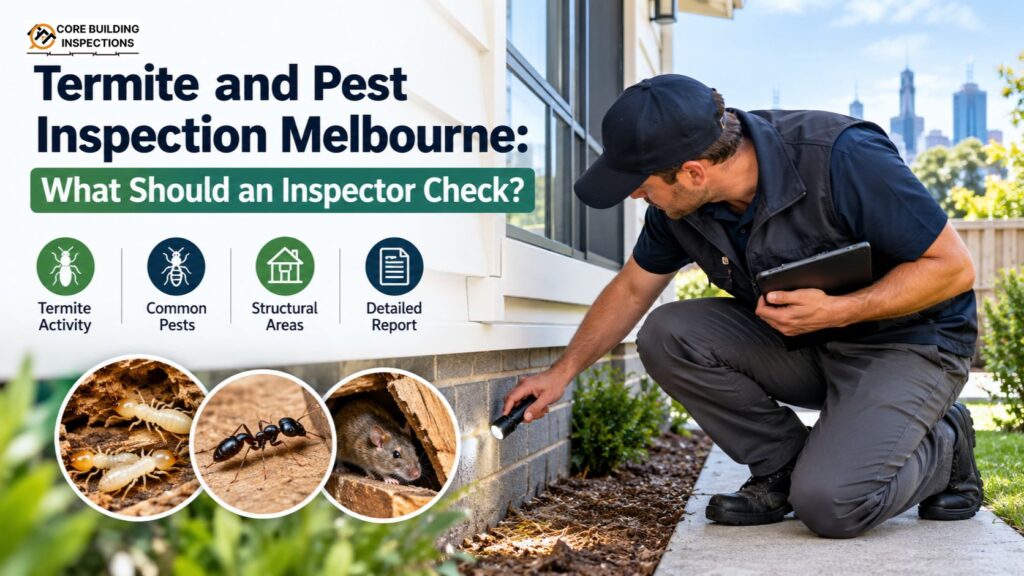
While a building inspector looks at the craftsmanship and materials, a pest inspector specifically a timber pest expert looks for biological threats. This is a specialized field because the most dangerous pests, like subterranean termites, are masters of disguise. They can chew through the internal structure of a home for years without ever breaking the surface of the paint.
A pest inspection goes far beyond looking for cockroaches or spiders. The inspector uses specialized tools like moisture meters, thermal imaging cameras, and “dongers” (to listen for hollow timber) to detect active termite movement, past damage, and wood-destroying fungi. They also identify conducive conditions environmental factors like garden beds built too high against the wall or leaking pipes that are essentially an all you can eat invitation for pests to move in.
Why One Cannot Replace the Other
The most common mistake buyers make is assuming a building inspector will naturally spot termites, or that a pest inspector will notice a sinking foundation. In reality, these are two different licenses with two different focuses. A building inspector might see a stained ceiling and mark it as a plumbing leak, whereas a pest inspector might identify that same stain as a moisture source currently attracting a termite nest.
Skipping the pest inspection on a brick or concrete home is another frequent error. Even if a house has a solid exterior, the internal framing, roof trusses, and flooring are almost always timber. Termites don’t need a wooden exterior to enter they only need a tiny crack in a concrete slab to reach the “buffet” of timber inside your walls. Without both reports, you are only getting half the story of the home’s health.
The Financial and Legal Safety Net
Beyond the physical state of the house, these inspections serve as powerful legal and negotiating tools. Most standard real estate contracts include a Subject to Building and Pest clause. If your reports come back with Major Defects or an Active Infestation, this clause gives you the legal right to either withdraw from the contract without penalty or negotiate a significant price reduction to cover the cost of repairs.
Think of the cost usually between $400 and $600 for a combined report as an insurance premium. If the inspection uncovers a $30,000 termite problem or a $20,000 roof replacement, that small upfront fee just saved you from a lifetime of debt. In a competitive market, having these professional documents in hand ensures that you are making a decision based on hard facts rather than heartstrings.