7 Costly Problems a Victoria Pre-Purchase House Inspection Can Reveal

11 Best Property Inspection Services Melbourne 2026: The Ultimate Buyer’s Guide
March 10, 2026
Ultimate 2026 Checklist for Your Pre-Purchase Building Inspection in Melbourne
March 16, 2026
Buying a home in Victoria, mostly if it’s in a tough market like Melbourne, is usually the biggest investment someone makes. It’s thrilling, but it also has some money risks. A nice-looking outside, new paint, and well-decorated rooms can hide problems that, if not found, could cause big repair costs later.
A Victoria pre-purchase house inspection is your most critical safeguard against these hidden traps. It’s an objective, professional assessment designed to reveal the true condition of the property before you commit legally. A standard visual check during an open house is simply insufficient to detect issues deep within the subfloor, inside walls, or high on the roof.
Here are seven costly, structural, and safety problems that a professional inspection commonly reveals in Victorian homes.
1. Major Structural Defects (Foundation and Framing)
The foundation is the most critical component of any building. If the foundation fails, everything above it is compromised. A professional inspector actively looks for signs of differential settlement, where parts of the house are sinking at different rates.
-
What to Look For: The most obvious indicators are large, diagonal cracks in internal plaster or external brickwork (especially radiating from door or window corners). Sticking doors, windows that won’t close properly, and noticeably sloping floors are also major red flags.
-
The Cost of Ignorance: Rectifying foundational issues, such as underpinning a sinking slab or replacing stump subfloors, is immensely expensive, often running into tens of thousands of dollars. It’s a project that is disruptive, messy, and non-negotiable for the home’s long-term viability.
2. Chronic Water Damage and Rising Damp
Water is arguably a home’s greatest enemy. Persistent moisture doesn’t just damage building materials; it creates an environment conducive to toxic mold growth and attracts wood-destroying pests. Water issues are often progressive and hidden until major damage is done.
-
What to Look For: Inspectors use moisture meters to detect dampness behind walls that might look dry. Visible signs include peeling paint, water staining (tide marks) on the lower parts of internal walls (rising damp), mold growth on ceilings, and a musty smell. Efflorescence (a white, powdery substance) on brickwork also indicates water penetration.
-
The Cost of Ignorance: Fixing water damage requires finding the source (e.g., leaking pipes, failed waterproofing, poor site drainage), repairing the source, and then replacing all damaged materials (gyprock, flooring, framing). In severe cases of rising damp, a new damp-proof course must be installed, a complex and expensive procedure.
3. Subterranean Termite Infestation and Damage
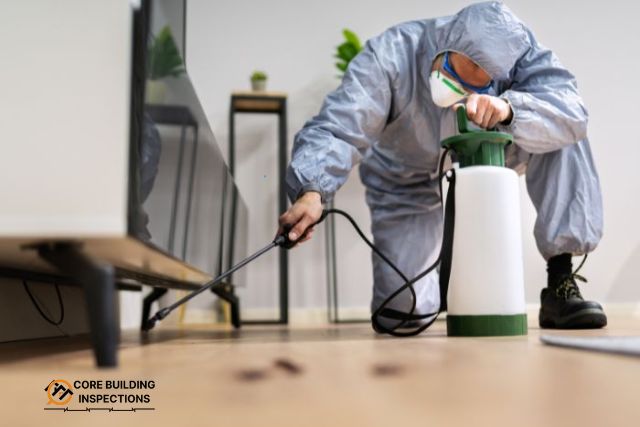
Victoria, including many established suburbs of Melbourne, is a high-risk zone for subterranean termites. These pests are cryptic; they live underground and enter homes through tiny cracks in the foundation or via ‘mud tunnels’ they build. They eat wood from the inside out, leaving the surface looking perfectly normal.
-
What to Look For: Standard inspectors often strongly recommend a specialized assessment, as a comprehensive pre-purchase pest inspection Victoria is essential to detect active infestations or historical damage. Pest inspectors actively look for mud shelter tubes, hollow-sounding timber (when tapped), and ‘frass’ (termite droppings).
-
The Cost of Ignorance: Termites can structurally compromise a timber-framed home in a remarkably short period. The cost of eradication (treatment), followed by the repair of structurally damaged framing, floorboards, and roof trusses, is devastating. Termite damage is almost never covered by standard home insurance.
4. Faulty or Dangerous Electrical Wiring
Older homes in Victoria, particularly in Melbourne’s inner suburbs, may still possess original wiring that is entirely unsuited to modern electrical loads. This isn’t just an inconvenience; it is a profound fire and electrocution hazard.
-
What to Look For: An inspector will check the switchboard. Indications of danger include obsolete ‘rewireable’ fuses (rather than modern circuit breakers), a lack of essential Safety Switches (RCDs), and outdated wiring types like cotton-braided or ‘Tough Rubber Sheathed’ (TRS) cabling, which degrades over time and exposes live wires.
-
The Cost of Ignorance: A complete home rewire is a significant undertaking. It requires cutting into walls, accessing the roof cavity, and often entails significant patching and repainting afterward. It is a necessary safety expense that must be factored into the purchase price of an older property.
5. Roof and Guttering Failures
The roof is your home’s primary defense against the elements. Issues high above the ground are frequently missed by buyers but are immediately apparent to an inspector who (weather and safety permitting) will physically access the roof.
-
What to Look For: Common problems include cracked or missing tiles, rusted corrugated iron, failed flashing (waterproofing) around chimneys and skylights, and heavily corroded or blocked gutters and downpipes. Blocked or broken gutters are a primary cause of water entering the eaves and damaging the internal roof structure.
-
The Cost of Ignorance: Roof repairs can range from simply replacing a few tiles to a complete, necessary re-roofing (e.g., replacing old asbestos sheeting or severely rusted iron). Water ingress from a failed roof often damages insulation, electrical systems, and ceiling plaster before it is even detected inside.
6. Significant Plumbing Issues (Leaks and Drainage)
Plumbing problems are often entirely hidden within walls, underground, or in the subfloor. A pre-buy home inspection Melbourne will typically involve checking basic functionality, but also looking for subtle signs of systemic failure.
-
What to Look For: This includes low water pressure (potentially indicating corroded galvanised pipes), persistent slow drainage (suggesting blocked or broken sewer lines), water hammering, and visible signs of leaks under sinks or in the subfloor. Inspectors will also check the age and condition of the hot water service.
-
The Cost of Ignorance: Replacing outdated galvanised water lines with copper or modern PEX piping is a messy and expensive job. Even worse is a collapsed sewer line beneath the concrete slab, which can necessitate cutting through the floor to repair, at immense cost and disruption.
7. Poor Ventilation and Insulation Defects
While sometimes overlooked as ‘minor’, proper ventilation is crucial for a home’s health. Without it, moisture builds up, leading to condensation, mold, and timber rot. Poor insulation simply leads to a home that is uncomfortable and expensive to heat and cool.
-
What to Look For: Inspectors will check the subfloor cavity (if accessible) and roof space for adequate airflow. They look for signs of condensation on the underside of the roof, localized mold growth, and the presence (or absence) and condition of insulation batting.
-
The Cost of Ignorance: While retrofitting insulation is a relatively manageable cost, fixing systemic ventilation failures such as installing new subfloor vents, roof vents (whirlybirds), or remediating rot caused by long-term moisture buildup is much more involved and costly.
Frequently Asked Questions
Q: Do I have to get a pre-purchase house inspection in Victoria?
A: No, the government doesn’t make you get one. But, property experts really advise getting one to save you from buying a place with hidden problems. Just looking around at an open house isn’t enough and can be a big money risk.
Q: Can I use the inspection report to lower the price?
A: Yes, that’s a big reason to get one! If the inspection turns up big, expensive issues you didn’t know about, you can use the report as proof to ask the seller to lower the price. This gives you a real reason to ask for a discount to fix the problems, or have the seller fix them before you close the deal.
Q: Does a regular inspection check for every possible problem?
A: A normal inspection mostly looks at what you can see the roof space, under the floor, and inside and outside the building. It looks for major structural issues, safety risks (like bad wiring), and serious dampness. But, they won’t go digging into walls or specifically check things like pools, appliances, or asbestos unless you ask for it and pay extra.
Q: Does a standard building inspection include checking for pests?
A: A regular inspector knows a little about pests, but a detailed pest inspection is a separate service that’s always a good idea. If you’re buying in a termite-prone place like Victoria, you’ll want a pest expert with the right tools (like thermal cameras) to find pests hiding in the wood.